


Why Choose an Automated Conveyor System for Your Business?

Why Choose an Automated Conveyor System for Your Business?

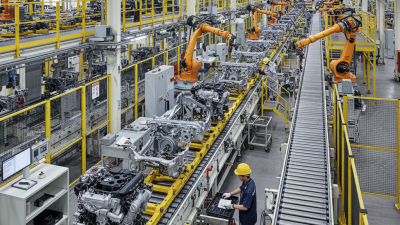
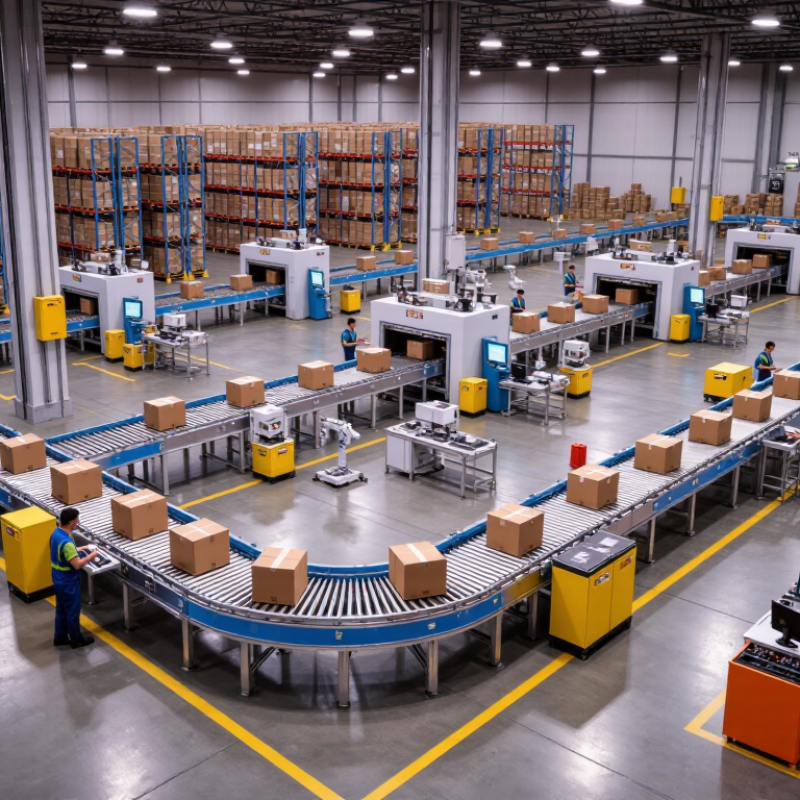
Warehouse pressure is becoming harder to ignore. Orders arrive in waves, cartons crowd the dispatch floor, and manual transfers create small delays that quickly multiply. An automated conveyor can connect receiving, storage, picking, packing, and shipping with a more consistent material flow. It can also provide real-time tracking, controlled movement, and safer handling around busy workstations.

The MHI 2024 Annual Industry Report surveyed more than 2,000 supply-chain professionals. It found that 55% of respondents planned to increase technology investment. The report also identified workforce shortages and rising customer expectations as major operational challenges. Interact Analysis similarly continues to document strong demand for warehouse automation, especially in fulfillment environments requiring faster and more accurate throughput.

John Paxton, former CEO of MHI, described supply chains as “the backbone of our economy.” His observation explains why conveyor decisions deserve careful planning. The right system may reduce walking, smooth peak-hour congestion, and create measurable labor savings. Not every facility needs a large installation. That matters.

A conveyor can also expose weak processes. Poor carton sizing, unclear routing, or unreliable scanning will not disappear through automation. They may become faster, more visible problems. Therefore, businesses should compare throughput targets, product dimensions, maintenance access, energy use, and future expansion before purchasing. A modest automated conveyor system, designed around real operating data, may outperform an impressive but poorly matched installation. Mistakes still happen. The goal is controlled improvement, not technological perfection.
Why Choose an Automated Conveyor System for Your Business?

What Is an Automated Conveyor System?

What Is an Automated Conveyor System?

An automated conveyor system is a material-handling network that moves products with limited manual pushing. It may include belts, rollers, motors, sensors, control panels, and software. Sensors detect each item’s position, size, or movement. A controller then adjusts speed, direction, or spacing. This coordination keeps cartons flowing between workstations, storage areas, and shipping points. In a distribution area, a box can travel from packing to loading without repeated lifting. The system responds quickly, but it still needs thoughtful planning. It is not magic. Poor layout, incorrect settings, or weak maintenance can create delays.

Tips: Measure product size, weight, speed, and route before choosing equipment. Leave access for cleaning and repairs. Test sensors with real cartons, not only empty trial boxes. A small pilot often reveals problems early. Do not skip safety checks. Real conditions are untidy.

From practical implementation, automated conveyors can reduce repetitive handling and improve movement consistency. They can also provide useful data, such as throughput, stoppages, and motor performance. However, maintenance remains essential. Dust, loose packaging, and worn rollers can interrupt a smooth process. I have seen minor alignment issues become expensive downtime when nobody monitored them. That mistake is easy to repeat. Reliable operation depends on scheduled inspections, clear operating procedures, and trained staff. Operators still need authority to stop equipment when something looks wrong. Their feedback can expose awkward loading heights, confusing controls, or unsafe walking routes.
How Automated Conveyor Systems Operate

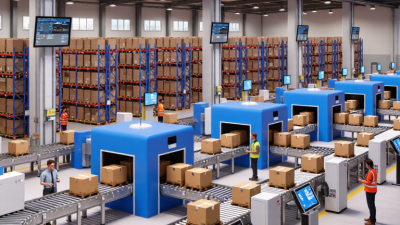
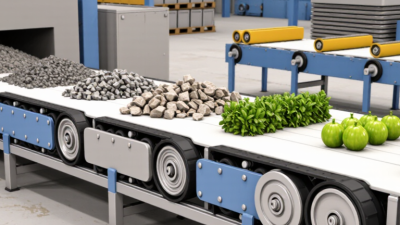
An automated conveyor system moves products through programmed zones instead of relying on constant manual carrying. At the infeed, an operator places each carton onto a belt or roller bed. Sensors detect its position, size, and movement. A control unit then signals motors, diverters, or stops to guide the carton toward the correct destination.

The process depends on continuous feedback. If a carton reaches a blocked zone, the system can slow nearby sections or stop them. Photoelectric sensors often detect gaps between items, while barcode readers can identify orders and routing instructions. Variable-speed drives help match conveyor movement with packing, storage, or loading activities. This coordination can reduce unnecessary handling and improve workplace consistency.

It is not completely hands-free.

Dust, poor lighting, loose labels, or a misaligned sensor can interrupt the flow. In practical installations, technicians inspect rollers, belts, cables, and emergency stops during scheduled maintenance. They also review fault records instead of resetting every alarm without investigation. A short delay may reveal an overloaded motor or incorrect spacing. System settings usually require adjustment after product sizes or operating volumes change. Careful testing during installation matters, because a conveyor that moves quickly but routes incorrectly creates expensive rework.

Why Choose an Automated Conveyor System for Your Business?

Automated conveyors move products at a controlled speed, helping improve flow consistency and reduce manual handling. The chart shows calculated throughput at different belt speeds.

Calculated capacity assumes one item every 0.5 meters and 90% operating utilization. Throughput is estimated using the formula: belt speed × 3,600 ÷ item spacing × utilization.

Which Business Processes Can They Improve?

An automated conveyor system can improve more than product movement. It can reshape daily business processes. In a busy fulfillment area, workers may walk hundreds of meters each shift. Conveyors move cartons between receiving, storage, packing, and dispatch. This reduces unnecessary walking and keeps handoffs visible. Managers can track delays through timestamps, scan points, and simple performance reports.

These systems also support steadier order processing. A controlled conveyor speed can reduce sudden queues at packing stations. Sensors can identify gaps, misplaced items, or blocked sections before small problems become costly interruptions. In food, retail, and light manufacturing operations, this consistency helps teams plan labor more accurately.

It can also reduce lifting and repetitive carrying, which may lower fatigue when the layout reflects real worker movements. Safety still needs attention. Automation cannot replace training, guards, inspections, or emergency procedures.

The strongest results usually appear in processes with repeated routes and predictable loads. A connected workflow can support inventory checks, quality control, labeling, and dispatch. However, automation is not automatically efficient. Poorly placed transfers may create new bottlenecks. A short pilot, measured against walking time, throughput, errors, and maintenance calls, offers better evidence than optimistic projections. Some operations may discover that a simpler layout works best. That finding matters. Reliable systems need regular cleaning, documented checks, and people who can respond when sensors misread a carton.

What Benefits Do They Provide for Businesses?

An automated conveyor system can make daily material handling faster, steadier, and easier to measure. Instead of relying on repeated manual movement, workers can guide cartons from receiving to packing with fewer unnecessary steps. This may reduce walking time, handling errors, and physical strain. A well-designed system also supports consistent product flow during busy shifts. Managers gain clearer data about bottlenecks, loading times, and equipment performance.

The benefits depend on proper planning. Conveyor speed should match picking capacity, packaging space, and order volume. If the line moves too quickly, workers may rush and create mistakes. If it moves too slowly, the investment loses value. Sensors, emergency stops, guarded moving parts, and regular inspections help protect employees. Maintenance teams should check belts, rollers, motors, and alignment before small faults become expensive delays. Automation is helpful, but it is not a substitute for trained supervision.

Tips: Map the complete workflow before choosing equipment. Measure carton sizes, weights, peak volumes, and available floor space. Leave access points for cleaning and repairs. Test the system with real products, not empty boxes. Review performance after the first few weeks, because early assumptions are often imperfect. A phased installation may also reduce disruption and reveal design problems before expansion.

How to Choose the Right Conveyor System for Your Needs

Choosing the right conveyor system starts with the product, not the equipment catalog. Measure package length, width, weight, surface, and condition. A dusty carton behaves differently from a clean tote. Record the required throughput during peak hours, not during a quiet shift. Measure the load.

The 2024 MHI Annual Industry Report found that 55% of supply chain professionals planned to increase investment in technology and innovation. That interest does not make every automated conveyor suitable. Select belt, roller, chain, or modular designs according to product handling needs. Consider accumulation, transfers, inclines, noise, cleaning access, and available floor space. A system moving 1,200 cartons per hour may still fail if its transfer points cause jams. Leave room for maintenance.

Controls also deserve careful attention. Sensors should detect gaps, misaligned packages, and unexpected stops. Safety guarding, emergency stops, and operator access must fit applicable workplace requirements. The U.S. Bureau of Labor Statistics continues to report material-handling injuries as a significant workplace concern, so safety cannot be treated as an add-on. Ask suppliers for service intervals, spare-part availability, training, and documented performance data.

A perfect spreadsheet cannot predict every warehouse problem. Product sizes may change. Staff may bypass awkward controls. I would test representative loads before approving the final design. Pilot trials cost time, but replacing an unsuitable conveyor costs more. Interact Analysis has reported continued growth in warehouse automation investment, yet growth alone is not a reason to automate every movement. Choose the system that supports today’s workflow and leaves practical capacity for tomorrow.

Why Choose an Automated Conveyor System for Your Business? - How to Choose the Right Conveyor System for Your Needs

Conveyor System Type Typical Applications Typical Speed Range Typical Load Capacity Main Advantages Key Selection Considerations
Belt Conveyor Cartons, packaged goods, food products, and general material handling Approximately 0.3–2.5 m/s Light to heavy loads, commonly up to approximately 150 kg per metre depending on design Versatile, relatively quiet, suitable for inclines, and available in many belt materials Product surface, belt width, incline angle, sanitation requirements, and belt tracking
Roller Conveyor Pallets, totes, cartons, and rigid-bottom containers Approximately 0.1–1.5 m/s Commonly 50–2,000 kg per metre, depending on roller spacing and frame design Durable, efficient for unit loads, and easy to integrate with accumulation zones Load bottom geometry, roller diameter, spacing, accumulation method, and noise level
Motor-Driven Roller Conveyor Order fulfillment, distribution centers, sortation, and controlled accumulation Approximately 0.2–1.0 m/s Often 25–1,500 kg per zone, depending on the motor and frame configuration Zone-based control, reduced product contact, and energy savings when idle zones stop Zone length, control architecture, start-stop frequency, sensor placement, and maintenance access
Chain Conveyor Pallets, automotive components, heavy containers, and harsh industrial environments Approximately 0.05–0.5 m/s Commonly 500–5,000 kg per metre for engineered heavy-duty systems High load capacity, positive movement, and good performance in demanding conditions Chain type, pallet dimensions, lubrication needs, transfer points, and workplace safety
Overhead Conveyor Garments, painted parts, tools, components, and applications requiring floor space savings Approximately 0.05–0.5 m/s Typically 5–250 kg per carrier, depending on the track and hanger design Uses vertical space, keeps floors clear, and supports continuous routing through workstations Ceiling structure, carrier spacing, product clearance, access requirements, and installation height
Flexible Conveyor Temporary lines, loading docks, parcel handling, and frequently changing layouts Approximately 0.1–0.6 m/s Generally light to medium loads, often up to approximately 50 kg per metre Portable, expandable, and useful where layout flexibility is more important than maximum throughput Required extension length, wheel configuration, floor conditions, load stability, and storage
Planning note: The ranges above are typical engineering reference values rather than fixed specifications. Actual speed and capacity depend on product dimensions, weight distribution, conveyor length, incline, duty cycle, environmental conditions, control strategy, and applicable safety requirements.