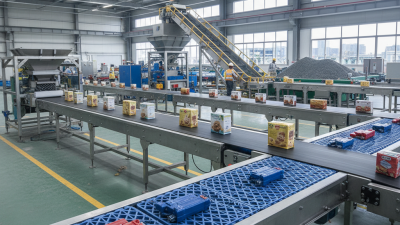



Choosing the right conveyor belt is not a simple purchasing decision. It affects production speed, worker safety, maintenance costs, and product quality. A belt moving hot cement needs different protection from one carrying washed vegetables. Details matter.
R. Todd Swinderman, a respected conveyor safety and engineering specialist, has often emphasized, “A conveyor is only as reliable as its weakest component.” That principle applies directly to belt selection. A strong belt may still fail when the pulley diameter is unsuitable, the splice is poorly installed, or the material causes excessive abrasion. Small mistakes become expensive stoppages.
The right conveyor belt should match the material, load, belt speed, incline, temperature, moisture, and cleaning routine. Consider a quarry carrying sharp stone. Its belt may require heavy-duty rubber, reinforced edges, and impact-resistant covers. A food-processing line may need a hygienic, oil-resistant surface that withstands frequent washing. There is no universal answer.
Measure the operating conditions honestly. Do not choose only by price. A cheaper belt can create more frequent replacements, spilled materials, and unplanned labor. Still, specifications can be misunderstood, especially when suppliers use different terms. That deserves careful review.
This guide explains how to compare belt materials, strength ratings, cover grades, splicing methods, and total operating costs. It also examines installation and maintenance needs. The choice may not be perfect. However, a thoughtful decision can make the conveyor belt safer, steadier, and easier to maintain.
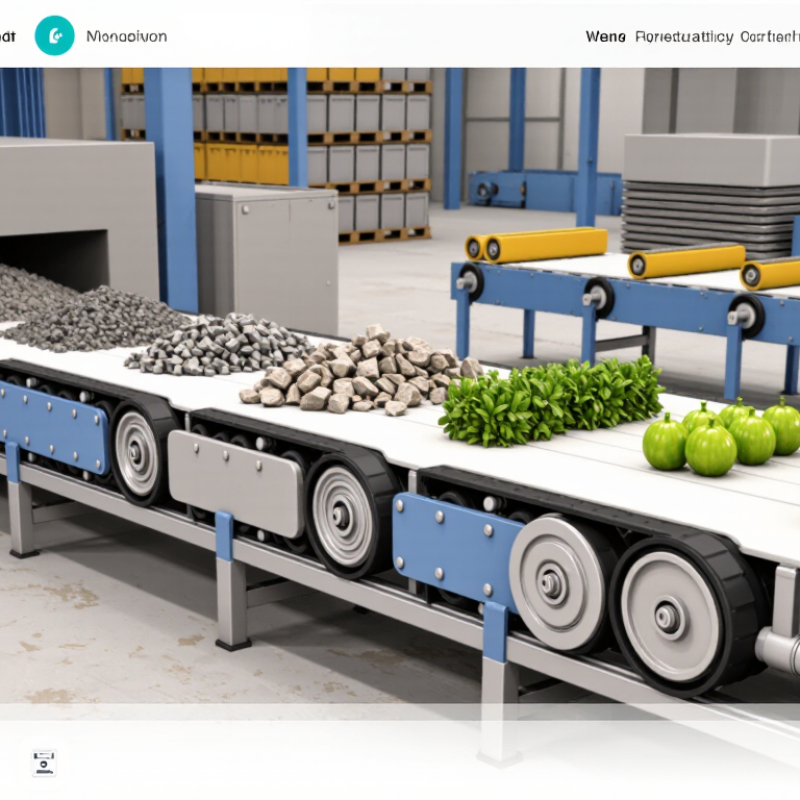
Choosing the right conveyor belt starts with a clear definition of the application. What material will it carry? A dry food product, sharp aggregate, hot components, or packaged goods each creates different demands. Belt selection should follow the material’s weight, size, surface, temperature, and moisture.
I have seen avoidable failures begin with incomplete site information. A belt may look suitable in a catalogue but struggle under real loading conditions. Record the conveyor length, width, speed, incline, loading method, and daily operating hours. Check whether the belt will face impact, abrasion, oil, chemicals, sunlight, or frequent washing. Small details matter. A transfer point with a high drop can damage a belt faster than expected.
Operating conditions also include maintenance habits and the surrounding environment. Will workers clean the belt manually, or will automated systems handle sanitation? Can the conveyor stop regularly for inspection? Consider tension, pulley diameter, tracking accuracy, and the available installation space. These factors affect belt life and worker safety. Do not rely only on the highest strength rating. It may add cost without solving the real problem. In practice, the best choice is often a balanced one, based on measured conditions rather than assumptions. I would also review seasonal changes, because cold mornings, humidity, or increased production can expose weaknesses that were missed during the initial assessment.
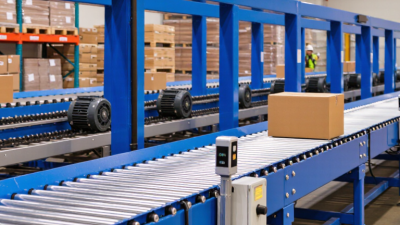
A conveyor belt should fit the product, not merely the conveyor frame. Start with the product. Is it sharp, oily, wet, hot, sticky, or abrasive? A belt carrying packed cartons needs different properties from one moving loose gravel. Food products also require smooth, easy-to-clean surfaces and suitable material documentation. In field assessments, I have seen belts fail because teams measured width first and ignored product behavior. That shortcut can cause slipping, edge damage, and unnecessary replacement costs.
For abrasive stone, a wear-resistant rubber compound can handle repeated impact better than a thin, general-purpose cover. For oils or fats, choose a material designed to resist swelling and softening. PVC or polyurethane may suit lighter, cleaner applications, while high-temperature products need a belt rated for actual operating heat. Check tensile strength, elongation, splice method, and belt thickness together. One detail is often missed: small particles can lodge in textured surfaces.
Temperature is not the only test. Moisture, cleaning chemicals, incline angle, and transfer-point impact also affect service life. A belt that performs well in a dry warehouse may deteriorate quickly after frequent washdowns. Compare technical data with your real loading pattern. If product behavior changes by season, test a sample under difficult conditions. I would not rely on a catalog alone. Actual trials reveal awkward problems, including noise, carryback, or unexpected tracking. The perfect belt may still need adjustment.
How to Choose the Right Conveyor Belt for Your Business?
Select the Right Belt Design, Width, and Load Capacity
A conveyor belt should match the product, route, and working environment. A flat belt suits stable boxes and packaged goods. Cleated belts provide better control on inclines. Sidewalls help contain loose materials, but they can complicate cleaning.
Measure the product flow before choosing the belt width. Leave enough space for uneven loading and occasional movement. A belt that is too narrow may spill material near transfer points. A wider belt feels safer, but it can increase energy use and equipment costs. Do not guess.
Load capacity requires more than checking the heaviest item. Calculate the weight spread across each metre of belt. Include impact from dropping products, belt speed, and the conveyor angle. Heavy loads may require stronger carcass construction and suitable pulley diameters. The frame must support the choice, too.
Think about the details.
In a damp processing area, a belt must tolerate moisture and frequent cleaning. In a hot workspace, temperature resistance becomes essential. Abrasive products may wear the surface faster than expected. I have seen belts selected correctly on paper but fail because transfer points were poorly aligned. Recheck those points during installation. Also inspect tracking, tension, and edge wear during the first weeks. A small design adjustment may prevent a costly replacement.
Choosing a conveyor belt means comparing the drive system, maintenance burden, and expected service life—not only the belt’s purchase price. A geared drive offers strong starting torque and suits heavy loads, but its oil, seals, and gears require scheduled inspections. A direct-drive system has fewer mechanical parts, which can reduce routine maintenance. Variable-frequency drives also allow smoother acceleration and speed control. The U.S. Department of Energy reports that motor-driven systems consume more than 70% of industrial electricity, so efficient drive control can materially affect operating costs.
Maintenance details often decide whether a belt lasts three years or much longer. Misalignment creates edge damage, while trapped material cuts the cover during every rotation. In my view, service-life estimates are often too optimistic. Dust, moisture, impact, and poor loading conditions can defeat laboratory ratings. ISO 14890:2013 defines requirements for textile conveyor belts, but it does not guarantee a fixed operating life. Actual results depend on belt tension, pulley diameter, cleaning performance, and inspection discipline. Keep records of splice repairs, belt slippage, and motor temperature. Small changes may reveal larger failures.
Tips: Choose a drive with enough starting torque, but avoid excessive capacity. Install accessible inspection points. Check alignment weekly in harsh areas. Compare energy use before and after speed-control changes. If maintenance data is missing, assume the service-life forecast needs review.
Choosing the right conveyor belt starts with safety, not speed. Check belt strength, fire resistance, edge damage, and tracking performance against ISO 14890 and ISO 15236. The International Labour Organization estimated nearly 3 million work-related deaths worldwide in 2023. That figure is broader than conveyor accidents, but it shows why weak safety controls deserve attention. OSHA guidance also stresses guarding, emergency stops, and lockout procedures around moving equipment. Small gaps become serious risks.
Cost needs a wider lens. Compare purchase price, installation, energy use, cleaning time, belt life, and replacement labor. A cheaper belt may crack under sharp loading points or poor temperature control. Then the invoice arrives later. The U.S. Department of Energy identifies motor-driven systems as major industrial electricity users, so low-friction belts and accurate tensioning can reduce operating waste. I would still question optimistic savings claims. Ask for test conditions, service hours, and maintenance records.
Supplier support can protect the investment. Request a written specification, splice instructions, inspection intervals, and emergency response times. Suppliers should explain whether the belt suits your material, incline, temperature, and pulley diameter. The U.S. Bureau of Labor Statistics recorded 5,283 fatal work injuries in 2023, reinforcing the need for documented training and risk controls. A responsive supplier should review failure photos and site conditions, not simply send a replacement. That difference matters.
| Belt Application | Recommended Belt Construction | Typical Operating Conditions | Relevant Safety Standards | Indicative Belt Cost* | Expected Service Life | Supplier Support to Require | Overall Suitability |
|---|---|---|---|---|---|---|---|
| General material handling | EP fabric belt with abrasion-resistant rubber covers | Dry or moderately dusty materials; approximately −20°C to 80°C | ISO 14890 for belt construction; ISO 284 where static control is required | US$25–80 per metre, depending on width, strength, and cover grade | 3–7 years under normal loading and maintenance | Belt selection calculation, installation guidance, splice training, and replacement-parts availability | Best for standard conveying duties |
| Heavy-duty mining and quarrying | Multi-ply or steel-cord belt with high abrasion and tear resistance | High impact, sharp rocks, long conveying distances, and heavy loads | ISO 14890; ISO 15236 for steel-cord belts; ISO 340 for flame resistance where applicable | US$90–300+ per metre, depending on belt strength and width | 4–10 years with correct loading, alignment, and impact protection | On-site survey, splice supervision, pulley inspection, emergency stock, and 24-hour technical response | Best for high-tension applications |
| Food processing | FDA-compliant thermoplastic or polyurethane belt with hygienic surface | Frequent washdown, oils or fats, and direct or indirect food contact | Applicable food-contact regulations; hygienic design and cleanability requirements must be verified for the region | US$60–180 per metre, depending on material, profile, and fabrication | 2–5 years, depending on sanitation chemicals, temperature, and knife-edge use | Material certificates, washdown recommendations, hygienic splicing, and documented traceability | Best for hygiene-controlled production |
| High-temperature conveying | Heat-resistant rubber belt using appropriate heat-class cover compounds | Hot clinker, castings, sintered materials, or other products typically above 80°C | ISO 4195 for heat-resistant conveyor belts; ISO 14890 for general belt dimensions and construction | US$70–220 per metre, depending on temperature rating and belt strength | 1–5 years, strongly dependent on material temperature and exposure time | Thermal-load assessment, cover-grade selection, splice-temperature guidance, and inspection training | Use only after temperature verification |
| Oil- or chemical-exposed materials | Oil-resistant rubber or thermoplastic belt selected against the specific chemical exposure | Materials containing oils, solvents, fuels, or process chemicals | ISO 1817 testing principles for rubber resistance to liquids; confirm chemical compatibility before purchase | US$55–190 per metre, depending on compound and reinforcement | 2–6 years when the belt compound matches the chemical exposure | Chemical compatibility chart, sample testing, material documentation, and warranty conditions | Requires application-specific testing |
| Inclined or declined conveying | Cleated, ribbed, or high-grip belt with suitable sidewalls if material retention is needed | Inclines commonly ranging from approximately 10° to 30°, depending on material and cleat design | ISO 14890; guarding and emergency-stop requirements should follow local machinery-safety rules | US$45–160 per metre, depending on cleats, profiles, and fabrication | 2–6 years, influenced by tracking, loading, and cleat wear | Incline calculation, cleat-layout design, tracking setup, and replacement cleat or belt sections | Best for elevation changes |
| Static-sensitive environments | Antistatic belt with conductive or dissipative properties appropriate to the equipment | Electronics, powders, solvents, or areas where electrostatic discharge may create risk | ISO 284 for electrical conductivity; additional hazardous-area requirements may apply | US$50–170 per metre, depending on construction and certification needs | 2–6 years, subject to grounding, cleaning, and surface wear | Electrical-resistance test reports, grounding guidance, installation verification, and periodic testing support | Safety-critical selection |
| Fire-risk or underground applications | Flame-retardant, antistatic belt with reinforcement suitable for the required tension | Underground mining or enclosed areas where fire and smoke hazards must be minimized | ISO 340 for flame resistance; ISO 284 for antistatic performance; local regulations may impose additional tests | US$80–260+ per metre, depending on strength and certification requirements | 3–8 years with correct inspection, cleaning, and fire-prevention controls | Compliance certificates, fire-risk documentation, emergency replacement stock, inspections, and response planning | Highest safety-priority category |