What Is a Roller Conveyor Belt and How Does It Work?
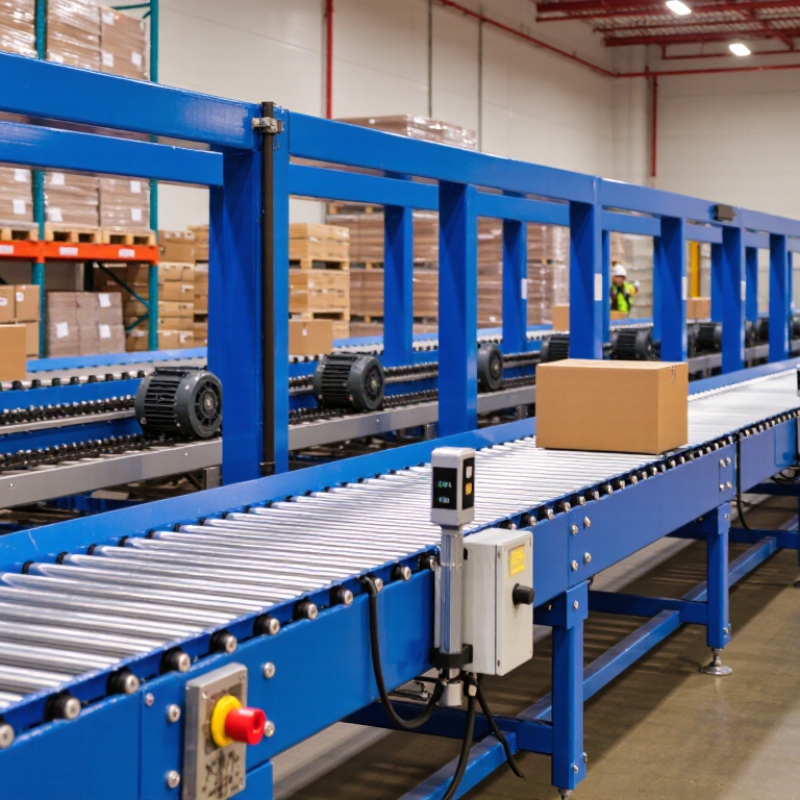
A roller conveyor belt is a material-handling system designed to move cartons, totes, pallets, and other loads across a controlled path. It usually combines closely spaced rollers with a frame, drive system, and safety controls. In powered models, motors turn the rollers through chains, belts, or motorized roller units. Gravity versions use a slight slope instead. A box rolls forward, pauses at a sensor, and transfers to the next work area. That simple movement supports modern warehouses, factories, airports, and distribution centers.
The terminology is not perfectly consistent. Some suppliers call any roller-based conveyor a “roller conveyor belt,” although a true belt conveyor carries products on a continuous moving belt. The distinction matters when engineers calculate friction, load capacity, noise, and maintenance access. A 2024 report from Fortune Business Insights valued the global conveyor system market at approximately USD 10.69 billion in 2023 and projected continued growth through 2030. Grand View Research also identifies automation, e-commerce fulfillment, and warehouse expansion as major market drivers. These figures show demand, not guaranteed performance.
Real-world selection still requires careful judgment. A dusty warehouse may need sealed bearings, while a cold room needs suitable lubricants and controls. Incorrect roller spacing can let small cartons tip or stall. It happens. Engineers should verify load dimensions, hourly throughput, incline, speed, guarding, and emergency-stop access before purchase. The U.S. Occupational Safety and Health Administration emphasizes guarding moving conveyor parts and controlling hazardous points. This article explains how a roller conveyor belt works, where it fits, and why practical testing remains essential.
What Is a Roller Conveyor Belt?
What Is a Roller Conveyor Belt?
A roller conveyor belt is not always a belt. The term usually describes a conveyor using cylindrical rollers to move cartons, totes, pallets, or parts. Each roller supports the load at a fixed point, creating a smooth path across a warehouse or production area. Powered rollers use motors and chains, while gravity rollers rely on a slight slope and the load’s weight. A belt-over-roller design adds a continuous belt across the rollers, improving traction for smaller or uneven items.
The terminology is imperfect. Some suppliers call any roller-based conveyor a roller belt conveyor, although the engineering differs. According to Grand View Research’s 2024 Conveyor Belt Market report, the global conveyor belt market was valued at about 4.6 billion dollars in 2023. That figure covers many belt types, not roller conveyors alone. MHI’s 2024 Annual Industry Report also found that 55% of surveyed organizations planned to increase supply-chain technology investment. This supports continued interest in automated conveying, but investment does not remove basic design risks.
A practical system needs correct roller spacing. If gaps are too wide, a small carton can tilt or stop. If speed is excessive, fragile products may slide or collide. Engineers should check load weight, package dimensions, friction, noise, cleaning access, and emergency stopping requirements. Real floors are less tidy. Dust, misalignment, and worn bearings can reduce performance faster than expected. Regular inspection remains essential.
What Are the Main Components of a Roller Conveyor Belt?
A roller conveyor belt moves goods across rotating rollers, using gravity or powered motion. Its main structure is the conveyor frame, usually made from rigid steel or aluminum sections. The frame keeps every component aligned and supports the load. Even a small twist can cause cartons to drift or stop.
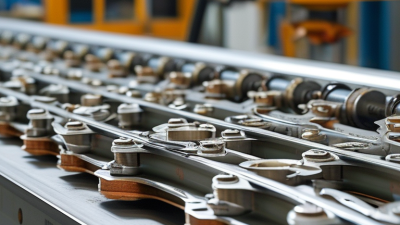
The rollers carry the products. Each roller includes a tube, shaft, bearings, and end fittings. Bearings reduce friction, while shafts hold the roller securely inside the frame. In a powered system, a motor and gearbox turn the rollers through a chain, drive belt, or belt beneath the roller line. Gravity models need no motor, but their slope must match the product weight and surface condition. Light boxes may stall on a shallow angle.
A control system can include sensors, switches, speed controls, and emergency stopping devices. Side guides help prevent packages from falling, especially near transfers or curves. Protective guards should cover moving drive points where workers could reach them. In practical inspections, technicians check bearing noise, loose fasteners, belt tension, and uneven roller spacing. These details are easy to overlook. A clean layout does not always mean a reliable conveyor; dust, worn bearings, and overloaded sections can remain hidden until movement becomes irregular.
How Does a Roller Conveyor Belt Work?
A roller conveyor belt moves packages by combining a continuous belt with closely spaced rollers. The belt runs over, or beneath, the rollers. A motor turns a drive pulley, creating belt tension and friction. The rollers then support the load and reduce sliding resistance.
It starts simply. Power reaches the drive pulley through a gearbox or direct coupling. The belt pulls each roller through surface contact, chains, or timing components. As the rollers rotate, cartons move at a controlled speed. Sensors can stop the drive when a package reaches a transfer point. This reduces collisions, but poor sensor positioning still causes jams. That detail is often underestimated.
Load weight, package shape, belt grip, and roller spacing determine performance. A 2024 MHI Annual Industry Report found that 55% of supply chain leaders planned to increase technology investment. This supports wider use of automated conveying, though investment alone cannot fix weak layout decisions. Designers should check belt tension, motor capacity, emergency stops, and guarding before operation. The Occupational Safety and Health Administration also identifies nip points and moving conveyor parts as hazards requiring effective safeguards. In practice, a small cardboard box may travel smoothly, while a flexible bag can sag between rollers and twist. Testing real products matters. Calculations are not enough. A practical inspection should measure speed, noise, belt tracking, and stopping distance under normal and peak loads.
What Is a Roller Conveyor Belt and How Does It Work?
A roller conveyor belt system uses powered rollers or a moving belt to transport packages and materials along a defined path. A motor supplies torque to the drive roller, friction transfers motion to the belt or rollers, and the supporting rollers keep the load stable as it moves.
How the Conveyor Moves a Load
The chart shows a realistic operating example with a constant conveyor speed of 0.5 meters per second. Distance is calculated using the engineering relationship distance = speed × time. At this speed, a package travels 5 meters in 10 seconds.
1. Drive Motor
The motor produces rotational force and transfers it to the drive roller through a direct or geared connection.
2. Rollers and Belt
The drive roller pulls the belt, while supporting rollers reduce sag and maintain a stable conveying surface.
3. Load Movement
Friction between the moving surface and the package carries the load forward at approximately the belt speed.
What Types of Roller Conveyor Belts Are Available?
Roller conveyor belts move cartons, totes, or pallets across rotating rollers. The belt may drive the rollers, or each roller may use its own motor. In practice, this distinction matters more than the name suggests. A warehouse may need gravity rollers for light cartons and powered rollers for heavier loads. Gravity systems use a slight slope and require no drive motor. They are simple, quiet, and economical. However, operators must control speed manually.
Belt-driven live roller conveyors use a continuous belt beneath the rollers. They provide steady movement for boxes with uneven bottoms. Chain-driven roller conveyors suit pallets, drums, and other heavy loads. Their chain transmission handles demanding starts, but it can produce more noise and require regular inspection.
Accumulating roller conveyors stop products without stopping the main line. That feature protects fragile goods and supports order sequencing. Flexible roller conveyors extend and curve around temporary work areas. Useful, but sometimes awkward.
MHI’s 2024 Annual Industry Report
MHI’s 2024 Annual Industry Report found that 55% of supply-chain professionals planned to increase investment in technology and innovation. This supports wider interest in powered conveying and automated accumulation. Industry market analyses also repeatedly identify warehouse automation as a major conveyor growth driver. Yet automation is not always the best answer. A small packing station may perform better with gravity rollers. A cold, dusty, or washdown area needs corrosion-resistant construction and sealed components. Quiet, but not passive. Roller spacing, load weight, incline, and product shape still determine performance. A neat classification is useful, but real facilities rarely stay neat.
Where Are Roller Conveyor Belts Commonly Used?
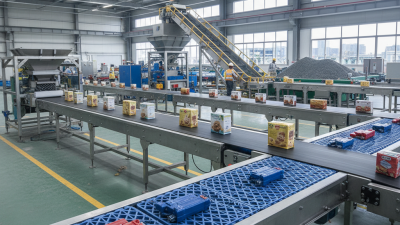
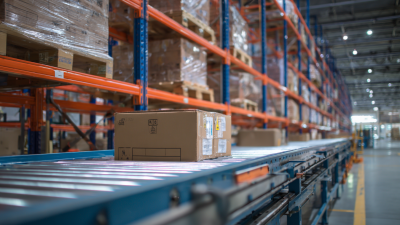
Roller conveyor belts are common in warehouses, distribution centers, and manufacturing plants. They move cartons, totes, trays, and packaged goods across fixed routes. Rollers support the belt and reduce friction under heavier loads. This design suits long transport lines with regular product spacing. It also allows workers to inspect packages without stopping the entire system.
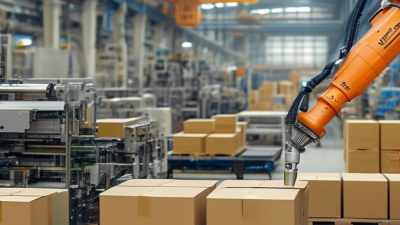
Parcel hubs use them to connect receiving areas, sorting stations, and dispatch docks. In packaging facilities, they carry filled boxes toward weighing, labeling, and palletizing points. Automotive plants may use reinforced systems for components and completed assemblies.
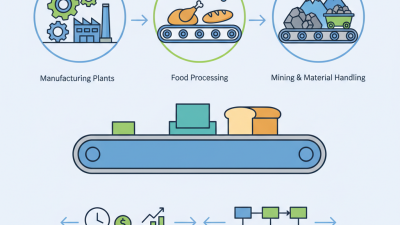
Food processing sites also use conveyor equipment, but surfaces must resist moisture and allow thorough cleaning. Airport baggage areas rely on similar systems for steady, controlled movement.
Not every workplace needs a roller conveyor belt. Small workshops may find its footprint excessive. Operators should match roller spacing, belt speed, and load weight carefully. A carton can tilt when its base is smaller than the support gap. That detail is easy to miss. Dust, loose film, and worn bearings can also increase resistance. Regular inspections help identify tracking problems, damaged rollers, and unusual noise before they interrupt production. Safety guards and emergency stops remain essential wherever people work near moving equipment.