Top 10 Packaging Automation Solutions in China for Efficient Production?
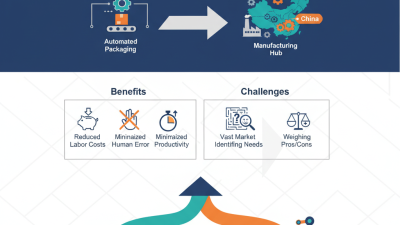
In the rapidly evolving manufacturing landscape, packaging automation solutions have become vital for businesses striving for efficiency and competitiveness. According to a report by the International Federation of Robotics, the market for packaging automation in China is expected to grow by over 10% annually, driven by increased demand for efficiency. Companies recognize the strategic advantage of automating their packaging processes to reduce costs and improve output quality.
Moreover, the rise of e-commerce and the need for faster delivery times have heightened the importance of these solutions. A survey from McKinsey highlights that around 70% of manufacturing leaders prioritize automation to enhance productivity. However, implementing packaging automation is not without its challenges. Companies must balance the initial investment with long-term benefits. Inefficiencies in existing processes may hinder full integration, and employee training is essential for success.
In this context, understanding the top packaging automation solutions in China is crucial. These solutions not only optimize production but also help in adapting to changing consumer needs. As companies explore these options, reflection on past implementations can guide their future strategies. Embracing innovation is key to achieving sustainable growth in the competitive manufacturing sector.
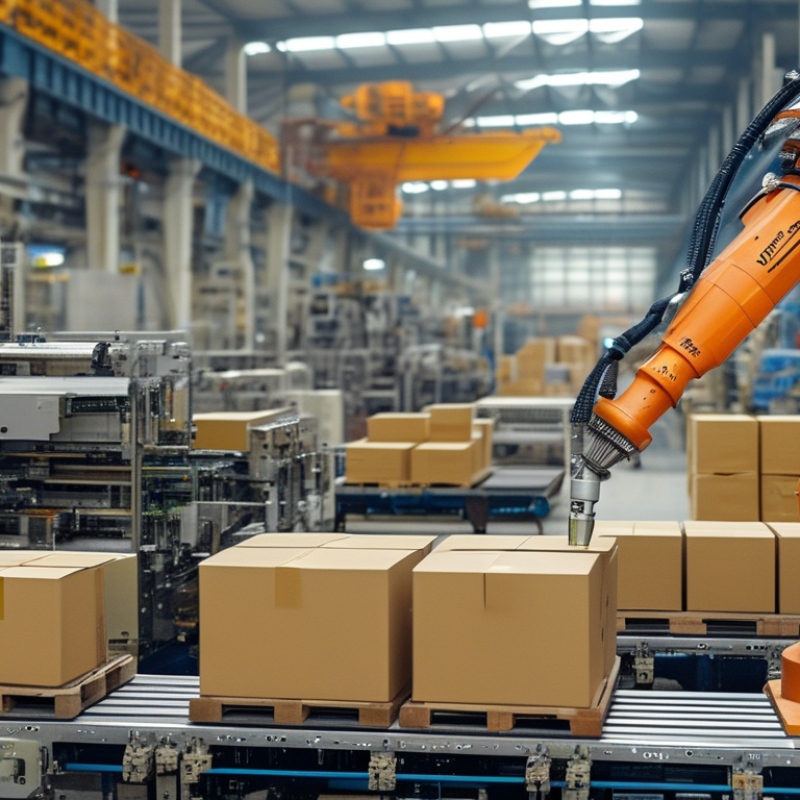
Overview of Packaging Automation in China's Manufacturing Sector
In recent years, packaging automation has gained significant traction in China's manufacturing sector. According to a report by the China Packaging Federation, the market for packaging automation is expected to grow at a compound annual growth rate (CAGR) of approximately 10.5% from 2021 to 2026. This growth is a response to the increasing demand for faster production cycles and decreased labor costs.
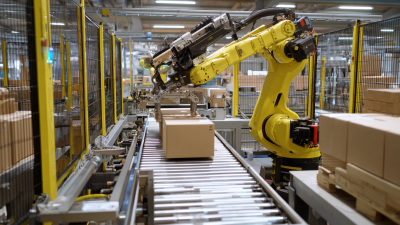
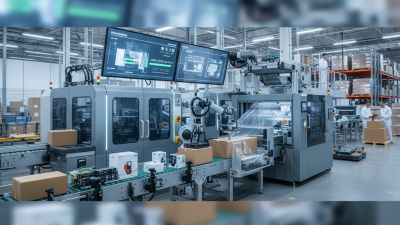
The adoption of advanced technologies, such as robotics and artificial intelligence, enhances operational efficiency. Companies report that automated packaging solutions reduce labor costs by nearly 30%. However, not all manufacturers find it easy to adopt these technologies. Challenges remain, including the high initial investment and the need for employee training. Many companies overlook the importance of these obstacles, leading to failed implementation.
Tips: Invest in employee training early on. Understanding technology is crucial for successful adoption. Regularly assess your automation process for areas of improvement. Adapting to changes in the market and technology is vital. Proper planning can prevent costly mistakes, ensuring a smoother transition to automation.
Top 10 Packaging Automation Solutions in China for Efficient Production
| Solution |
Type |
Application |
Efficiency Increase (%) |
ROI Period (Months) |
| Automated Cartoning |
Cartoning Machine |
Food and Beverages |
30% |
18 |
| Robotic Palletizing |
Robotic System |
Consumer Goods |
40% |
24 |
| Stretch Wrapping |
Wrapping Machine |
Logistics |
25% |
15 |
| Labeling Automation |
Labeling Machine |
Pharmaceuticals |
35% |
12 |
| Filling Technology |
Filling Machine |
Beverages |
50% |
24 |
| Case Packing |
Case Packer |
Household Items |
20% |
10 |
| Shrink Wrapping |
Shrink Wrapper |
Electronics |
30% |
16 |
| Capping Automation |
Capping Machine |
Food Industry |
45% |
20 |
| Wrapping Machines |
Wrapping Machine |
Toys |
35% |
14 |
| Inspection Systems |
Vision Systems |
All Products |
30% |
8 |
Key Factors Driving Packaging Automation Adoption in China
In recent years, packaging automation has gained momentum in China. Various factors are propelling this shift. Notably, the demand for enhanced efficiency in production processes commands attention. Increased labor costs challenge manufacturers to seek solutions that improve productivity while reducing manual intervention. A report from the China National Packaging Association suggests that over 60% of manufacturers are investing in automation to address this issue.
Another driving force is the rise of e-commerce. The need for rapid and efficient packaging solutions grows as online shopping flourishes. According to a study by Statista, the e-commerce market in China is projected to exceed $2 trillion by 2025. This trend leads to an urgent need for automated systems that can handle high volumes of orders with accuracy.
However, there are challenges. Many companies face integration difficulties when adopting new technologies. Legacy systems may not always mesh well with modern automated solutions. Success in packaging automation requires ongoing evaluation and adaptation. It’s essential to strive for a balance between investment and return on automation technologies. Thus, manufacturers must continually assess their operations for optimal results.
Top Packaging Automation Technologies and Innovations
The packaging automation sector in China is rapidly evolving, driven by innovations that enhance production efficiency. According to a report by the China Packaging Association, the market for packaging automation technology is expected to grow at a compound annual growth rate (CAGR) of over 7% from 2023 to 2028. This hints at a significant shift towards modernized solutions in manufacturing settings.
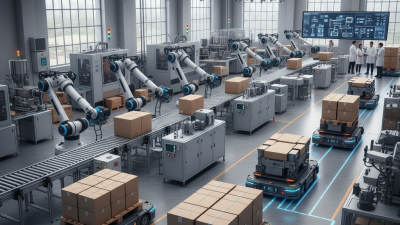
One important development is the integration of artificial intelligence (AI) and machine learning in packaging processes. These technologies enable predictive analytics, optimizing supply chains and minimizing downtime. A recent survey revealed that 65% of manufacturing firms in China have adopted AI solutions to streamline operations. Robotics also plays a crucial role, with advancements in robotic arms making them more adaptable and reliable for various packaging tasks. However, companies must tread carefully when implementing these technologies, as inadequate training can lead to inefficiencies.
Another noteworthy aspect is the emphasis on sustainable packaging solutions. Many organizations are exploring biodegradable materials and recycling techniques to meet increasing consumer demand for eco-friendly products. The Ministry of Ecology and Environment indicates that nearly 30% of packaging firms are investing significantly in sustainability measures. Despite these efforts, challenges remain in balancing efficiency with environmental impact, necessitating ongoing evaluation and adjustment of strategies in this dynamic landscape.
Leading Companies in China's Packaging Automation Market
China's packaging automation market is rapidly evolving. Companies are focusing on innovative solutions to enhance production efficiency. With increasing demands for quality and speed, leading firms understand the need for automation. They invest heavily in advanced machinery and smart technologies.
Many companies are exploring robotics for packaging tasks. These systems improve precision and reduce manual labor. However, the integration of such technologies often faces challenges. Training staff to operate complex machinery can be difficult. Additionally, maintenance and upkeep require ongoing attention, which some companies overlook.
Sustainability is another critical factor in the industry. Many top contenders in packaging automation are adapting eco-friendly practices. Yet, achieving a perfect balance between efficiency and environmental responsibility remains a work in progress. Companies must continuously reflect on their strategies to align with sustainable goals while meeting production demands.
Future Trends and Challenges in Packaging Automation in China
The future of packaging automation in China is evolving rapidly. As manufacturers strive to boost efficiency, they face numerous challenges. One major issue is the integration of new technologies with existing systems. Many companies struggle to modernize their operations while maintaining productivity. Embracing automation is essential, yet it often requires substantial investment and employee training.
Tips: Regular training can enhance workers' adaptability to new systems. Encourage your team to embrace change.
Another challenge is the need for sustainability. Consumer demand for eco-friendly packaging is rising. Companies are under pressure to innovate while reducing waste. Many are exploring biodegradable materials and energy-efficient machines. However, the transition can be slow and complex, requiring careful planning.
Tips: Analyze your supply chain for sustainability gaps. Small changes can lead to significant improvements over time.
Moreover, data security is becoming a priority. As automation increases, so does the risk of cyber threats. Protecting sensitive information is crucial for maintaining consumer trust. Companies must invest in robust cybersecurity measures to safeguard their operations.
Tips: Regularly update your security protocols. Staying ahead of potential threats is vital in a tech-driven landscape.