


China Top Material Handling Systems Manufacturers

China has become a major source of advanced material handling systems for warehouses, factories, ports, and distribution centers. Its manufacturers now offer conveyors, automated storage and retrieval systems, sorting equipment, pallet shuttles, robotic picking units, and warehouse control software. However, production scale alone does not prove engineering quality. Buyers must examine real installations, load testing, safety documentation, software stability, and long-term service capability.

Taiichi Ohno, the Toyota production pioneer, stated, “All we are doing is looking at the time line, from the moment the customer gives us an order to the point when we collect the cash.” His principle remains highly relevant. Effective material handling systems should shorten movement time, reduce unnecessary touches, and protect workers from avoidable strain. The best Chinese manufacturers understand this connection. They do not sell machines alone. They design material flows.

Look closely.

A reliable supplier should explain throughput, accumulation logic, maintenance access, energy use, and failure recovery. It should provide clear drawings and measurable performance data. Factory visits can reveal practical details, such as cable routing, spare-part storage, and whether technicians test emergency stops properly. These details matter.

Still, no ranking is permanent. A manufacturer may excel at conveyors but struggle with software integration. Another may offer impressive automation but weak overseas support. This guide therefore considers engineering depth, customization experience, compliance practices, project references, and after-sales responsiveness. It also recognizes an uncomfortable truth: cheaper equipment can become expensive when downtime, training gaps, or unavailable parts interrupt daily operations. Selection requires evidence, not attractive brochures.
China Top Material Handling Systems Manufacturers

Definition and Scope of Material Handling Systems

China Top Material Handling Systems Manufacturers

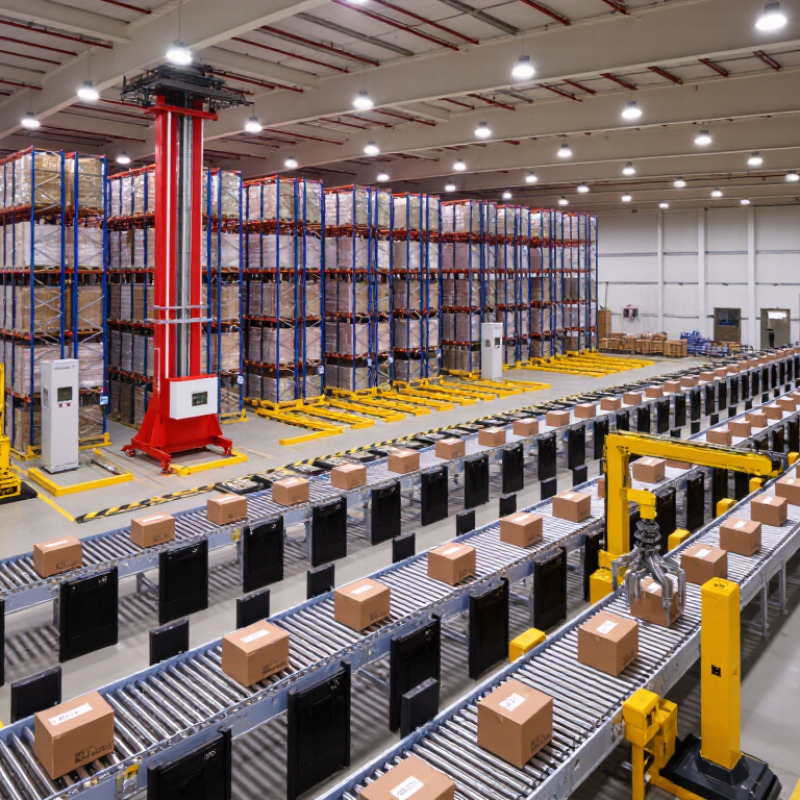
Material handling systems are coordinated methods for moving, storing, protecting, and tracking goods. They connect people, equipment, software, and facility layouts. The scope includes conveyors, pallet trucks, lifts, storage racks, sorters, packing stations, and loading equipment. It also covers control systems that record locations, quantities, and movement times. A warehouse aisle is part of the system too. Its width affects turning space, travel speed, and worker safety.

In practice, engineers define a system by the product, load weight, handling frequency, and required accuracy. A cold-storage site needs different materials and controls than a dry warehouse. Fragile cartons may require slower conveyor speeds and softer transfer points. Heavy pallets need verified floor capacity, rack ratings, and clear inspection routines. These details make the difference between a workable design and an expensive obstruction. Sensors can reduce manual counting errors, but poor calibration still creates false records.

The scope reaches beyond warehouse operations. It may include receiving docks, production lines, inventory zones, order-picking areas, and dispatch points. Data exchange with inventory software helps staff locate stock without repeated searching. Yet automation is not always the best answer. A small facility may lose flexibility when equipment occupies valuable floor space. I have seen neat layouts fail because workers could not reach damaged cartons easily. Maintenance access, emergency movement, noise, and training deserve equal attention. A system should be measured in daily use, not only on paper.
China Top Material Handling Systems Manufacturers – Definition and Scope of Material Handling Systems

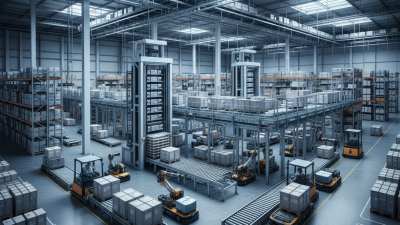
Material handling systems cover the movement, storage, protection, control, and tracking of materials throughout receiving, production, warehousing, order picking, and shipping operations.

The chart compares representative rated load capacities for common material handling system equipment. Actual capacities vary according to equipment configuration, load dimensions, operating conditions, and safety requirements.

China’s Major Material Handling Equipment Manufacturers

China’s major material handling equipment manufacturers serve warehouses, factories, ports, and distribution centers worldwide. Their product ranges often include conveyors, cranes, hoists, stackers, forklifts, and automated storage systems. Experienced manufacturers usually begin with load data, travel distance, aisle width, and operating temperature. A conveyor carrying cartons should not be designed like one moving steel coils. Details matter.

Professional suppliers combine engineering design with welding control, component testing, electrical inspections, and documented safety procedures. Many facilities now use sensors, variable-speed drives, and warehouse software to improve movement accuracy. However, a polished specification sheet does not guarantee dependable operation. Dust, uneven floors, poor training, or delayed spare parts can reduce performance quickly. Site visits and factory acceptance tests provide stronger evidence than promises. Small gaps matter. I have seen efficient systems struggle because maintenance access was ignored.

Tips: Ask for drawings, test records, installation references, and a clear service schedule. Confirm rated capacity under real working conditions, not only the maximum figure. Check emergency stops, guarding, noise levels, and replacement-part availability. Request operator training and practical maintenance instructions. Compare total ownership costs, including energy, downtime, inspections, and software support. Leave room for future expansion. Many projects overlook it.

China Top Material Handling Systems Manufacturers - China’s Major Material Handling Equipment Manufacturers

Representative equipment categories, technical parameters, and application benchmarks for China’s material handling manufacturing sector

Equipment Category Primary Function Typical Load Range Typical Working Height / Speed Common Industries Typical Automation Level Key Selection Criteria
Electric Pallet Trucks Horizontal movement of palletized loads over short and medium distances 1.2–2.5 tonnes Fork lift: approximately 120–200 mm; travel speed commonly up to 6 km/h Warehousing, retail distribution, food and beverage, manufacturing Manual or pedestrian-assisted Battery type, aisle width, duty cycle, turning radius, and operator safety features
Counterbalance Forklifts Loading, unloading, stacking, and general pallet handling 1.5–10 tonnes for common warehouse and industrial models Lift height commonly 3–7 m; higher configurations are available Manufacturing, logistics, ports, construction materials, chemical processing Operator-driven, with optional fleet-management functions Fuel or battery system, capacity, mast type, attachment compatibility, and emission requirements
Reach Trucks High-density storage and pallet retrieval in narrow warehouse aisles 1.0–2.5 tonnes Lift height commonly 6–13 m; travel speed generally up to 12 km/h Distribution centers, third-party logistics, e-commerce fulfillment Operator-driven, with optional positioning and warehouse-system integration Residual capacity at height, aisle width, battery endurance, mast design, and camera systems
Automated Guided Vehicles and AMRs Autonomous transport of pallets, totes, cartons, or materials between process points Approximately 0.5–2 tonnes for common warehouse units Travel speed commonly 1–2 m/s; operating range depends on battery and traffic conditions E-commerce, automotive, electronics, pharmaceuticals, and general manufacturing High; fleet software, sensors, mapping, and warehouse-management integration Payload, navigation method, safety certification, charging strategy, traffic management, and integration APIs
Conveyor Systems Continuous movement, accumulation, merging, and diverting of unit loads From small cartons to pallet loads of several tonnes Typical belt or roller speed: approximately 0.1–2 m/s Parcel logistics, airports, warehouses, food processing, automotive manufacturing Manual, semi-automated, or fully automated Load dimensions, throughput, conveyor length, accumulation requirements, noise, and maintenance access
Automated Storage and Retrieval Systems Computer-controlled storage and retrieval of pallets, bins, or cartons Approximately 0.5–2 tonnes per storage unit in common pallet applications Storage height commonly 6–30 m; cycle time depends on layout and load profile Manufacturing, cold chain, retail distribution, pharmaceuticals, spare-parts logistics Very high; warehouse-control software and inventory traceability are normally included Storage density, throughput, fire protection, temperature range, rack design, and software compatibility
Parcel Sortation Systems Automatic identification and routing of parcels to destination lanes Small cartons and parcels, commonly up to 50–100 kg per item depending on design Typical throughput: approximately 1,500–12,000 items per hour Courier networks, e-commerce, postal operations, retail fulfillment High; barcode or vision recognition and control software are commonly used Item size range, read rate, throughput, destination count, noise, and maintenance requirements
Overhead Cranes Lifting and transferring heavy loads across production or storage bays Common working capacities: 5–50 tonnes; heavier systems are engineered for specific sites Typical spans: 10–35 m; lifting speed depends on capacity and duty class Steel, machinery, shipbuilding, energy equipment, foundries, and heavy manufacturing Manual, radio-controlled, semi-automated, or process-automated Load spectrum, duty class, span, lift height, environment, safety devices, and structural conditions
Warehouse Racking Systems Static or dynamic storage of pallets, cartons, bins, and long materials Approximately 500–5,000 kg per level, depending on rack configuration Storage height commonly 3–12 m in standard facilities General warehousing, cold storage, manufacturing, retail, and spare-parts operations Passive, semi-automated, or integrated with conveyors and storage systems Load per level, pallet dimensions, seismic conditions, aisle width, fire protection, and expansion needs
Dock Levelers and Loading Equipment Bridging the height gap between warehouse floors and vehicle beds during loading Common rated capacities: approximately 6–15 tonnes Vertical adjustment commonly accommodates differences of about 300–400 mm Distribution centers, cold chain, food processing, retail, and manufacturing Manual, hydraulic, mechanical, or electrically controlled Vehicle profile, rated load, platform size, weather protection, cycle frequency, and dock safety controls

Note: The figures shown are representative industry ranges for equipment selection and comparison. Actual specifications vary according to the load, facility layout, operating environment, duty cycle, and applicable safety standards.

Core Technologies and Solutions Offered by Chinese Manufacturers

Chinese material handling manufacturers are moving beyond basic conveyors and lift equipment. They now integrate automated storage and retrieval systems, autonomous mobile robots, robotic palletizers, and high-speed sorters. The International Federation of Robotics reported 276,288 industrial robot installations in China during 2023, representing about 51% of global installations. This adoption supports faster warehouse handling, though robot density alone does not guarantee operational efficiency.

Software is becoming the control center. Manufacturers connect warehouse management systems with warehouse control systems, machine vision, sensors, and digital twins. These tools can track cartons, balance workloads, and identify blocked lanes within seconds. China’s total social logistics value reached approximately RMB 360.6 trillion in 2024, according to data from the China Federation of Logistics and Purchasing. That scale increases demand for reliable, measurable automation.

Practical details matter. Engineers must test barcode readability, floor flatness, battery charging, dust protection, and emergency access. Cold-storage sites require different materials and controls. Integration is not frictionless. Legacy equipment may lack standard interfaces, and software tuning often takes longer than expected. A sensible solution includes phased deployment, simulation before installation, and local technical support. Chinese manufacturers increasingly offer modular systems, but buyers should verify uptime data under similar working conditions. Fancy dashboards are not enough.

Key Industries Served by Material Handling System Suppliers

China Top Material Handling Systems Manufacturers

Material handling system suppliers serve industries with very different operating pressures. In automotive plants, conveyors move stamped parts, engines, and finished vehicles between timed workstations. Accuracy matters because one delayed bin can interrupt an entire line. Storage systems also need clear loading limits and reliable sensor checks.

E-commerce warehouses depend on speed, order accuracy, and flexible storage. A practical system may combine shelving, conveyors, scanners, and automated picking equipment. In food and beverage facilities, smooth surfaces and easy cleaning support hygiene routines. Cold-storage sites require equipment that remains dependable under low temperatures.

Small details matter. Wheel design matters.

Pharmaceutical facilities demand strict traceability and controlled handling. Suppliers should provide documented testing, access controls, and maintenance records. Airports, parcel hubs, and third-party logistics centers need systems that manage uneven daily volumes. A supplier with field experience will study product weight, package size, aisle width, and worker movement before proposing equipment. Not every installation runs perfectly. A conveyor may reduce labor but create a new bottleneck near packing stations. Regular performance reviews can expose that weakness early. The strongest suppliers explain those trade-offs clearly, rather than promising effortless automation.

Factors for Evaluating and Selecting a Chinese Manufacturer

Selecting a Chinese material handling systems manufacturer requires more than comparing quoted prices. Examine engineering experience, production capacity, and project references in industries similar to yours. Ask for videos of assembly areas, testing stations, and finished equipment. A reliable supplier should explain load ratings, conveyor speeds, control logic, and maintenance access clearly. Vague answers deserve attention.

Request drawings before signing. Confirm dimensions, floor conditions, lifting points, power requirements, and environmental limits. A small mismatch can delay installation or force expensive site changes. Review the bill of materials and check whether critical components have stable supply channels. Independent quality records, factory inspections, and documented testing improve confidence. Do not rely on certificates alone.

Communication also matters. Measure response times, technical English, revision control, and after-sales planning. Require a factory acceptance test with measurable results, such as cycle time, positioning accuracy, and emergency-stop response. Ask how spare parts are labeled and how remote support is provided. A lower offer may exclude commissioning, training, or software updates. Read every assumption.

No evaluation is perfect. A polished showroom can hide weak project discipline. Speak with recent customers, not only selected references. Check whether the manufacturer reports defects honestly and tracks corrective actions. Some suppliers may promise too much during negotiations; that is a warning sign. Your final choice should balance engineering depth, transparent documentation, realistic delivery schedules, and long-term service capability.