


2026 How to Choose the Right Chain Conveyor Systems?

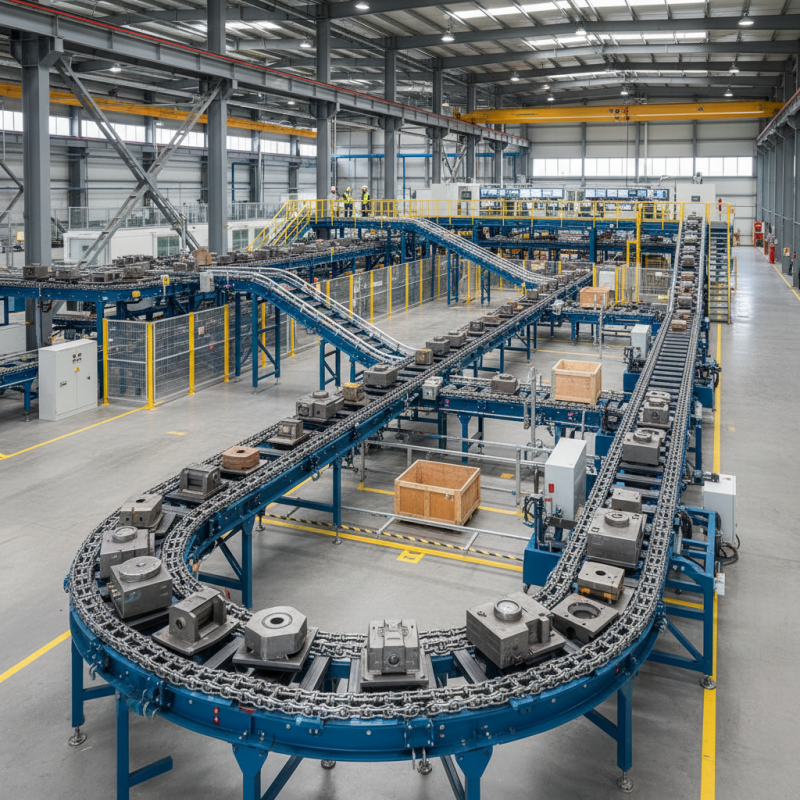
Choosing the right chain conveyor systems is crucial for efficiency in manufacturing and logistics. These systems transport various materials with precision and speed. Selecting the ideal system requires careful consideration of several factors.

First, assess the type of materials you will convey. Different chain conveyor systems cater to various weights and sizes. For heavy-duty materials, robust designs are essential. Don't overlook the layout of your facility. Space constraints may limit your options.

Moreover, consider maintenance needs and operational costs. Some systems require frequent upkeep, which can be costly over time. Balancing initial investment with long-term reliability is vital. A chain conveyor system should not only fit your current needs but also adapt to future demands. Reflecting on your specific requirements will lead to a better choice.
2026 How to Choose the Right Chain Conveyor Systems?

Understanding the Functionality of Chain Conveyor Systems in Industry

2026 How to Choose the Right Chain Conveyor Systems?

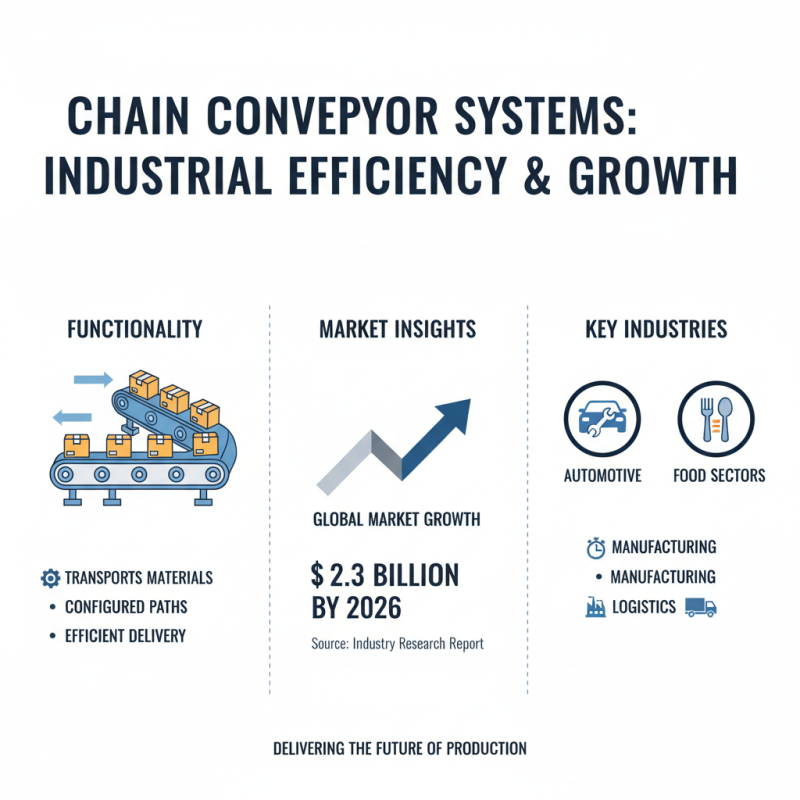
Chain conveyor systems play a vital role in various industries, delivering materials efficiently. Their functionality is rooted in their ability to transport items along a configured path. According to a report by Industry Research, the global chain conveyor market is projected to grow significantly, reaching an estimated value of $2.3 billion by 2026. This growth reflects the increasing demand in manufacturing, particularly in the automotive and food sectors.

Understanding how these systems function helps determine the most suitable types for specific applications. Chain conveyors can handle heavy loads and are ideal for assembly lines. They can also manage diverse materials, from packaged goods to bulk items. However, overloading a chain conveyor or neglecting maintenance can lead to failures, impacting productivity.

Choosing the right system requires a balance between efficiency and capability. Each conveyor type offers unique advantages, yet may not suit all operations. Assessing the layout, load type, and frequency of use is crucial. Many companies overlook these factors, leading to potential inefficiencies. Regularly reviewing these criteria helps to optimize performance and minimize unforeseen issues.
Key Factors to Consider When Selecting Chain Conveyor Systems

When selecting chain conveyor systems, several key factors come into play. Material handling needs should be assessed carefully. For instance, the type of materials being transported, their weights, and sizes influence the conveyor choice. According to the Material Handling Industry (MHI), proper selection can enhance efficiency by up to 25%.

Another critical factor is the environmental conditions of the operation. Factors such as temperature, humidity, and potential exposure to corrosive materials should be considered. Specialized coatings or materials may be necessary to ensure longevity. A report from the International Journal of Industrial Engineering highlights that 30% of conveyor failures are due to inadequate environmental considerations.

**Tip:** Always conduct a thorough analysis of your operational environment before making a decision.

Additionally, system layout plays a vital role. The design should optimize flow and minimize space. Poor layouts can lead to bottlenecks and delays. The benefits of investing in proper design can be significant; enhanced layouts can reduce operational costs by 15%, as noted by the Institute of Industrial Engineers.

**Tip:** Collaborating with experienced engineers can provide insights into achieving optimal design and functionality.

Lastly, maintenance considerations should not be overlooked. Regular maintenance schedules can prevent breakdowns and costly downtimes. Skipping this step can lead to unexpected failures. Analyses suggest that companies that adhere to structured maintenance plans reduce downtime by nearly 20%.

Analyzing Load Capacity and Material Compatibility in Chain Conveyors

Choosing the right chain conveyor system is critical for operational efficiency. Load capacity and material compatibility play significant roles in this decision. If a conveyor is overloaded, it can lead to mechanical failure. Therefore, understanding the weight limits specified by manufacturers is essential. Different materials have varied stress limits, which must be evaluated carefully.

Material compatibility is equally important. Not all chains can handle all materials. For example, corrosive substances may require specialized chains. Ignoring this could lead to premature wear and increased maintenance costs. It's essential to assess the types of materials you will be transporting. Consider factors like temperature, weight, and abrasiveness.

Evaluating these aspects can be challenging. Some companies underestimate the complexity of material interactions. This often results in unexpected breakdowns and inefficiencies. A thorough analysis of load capacity alongside material compatibility ensures better performance and longevity of chain conveyor systems. Investing time in this evaluation is a step toward more reliable operations.

Evaluating Cost-Effectiveness and Maintenance Requirements of Systems

Choosing the right chain conveyor system involves careful consideration of cost-effectiveness and maintenance. It's essential to evaluate initial costs versus long-term savings. Look at the system’s design. Simpler designs often translate to lower maintenance costs. Complex systems may require more frequent repairs, driving up overall expenses.

Tips: Always request a detailed analysis of the total cost of ownership. Compare various options to understand the long-term financial implications. Some systems may be cheaper upfront but pricier over time.

Maintenance requirements greatly affect operational efficiency. Regular upkeep is vital for optimal performance. Systems that are easy to access generally have lower maintenance costs. If parts are hard to reach, repairs can become complicated. This results in unnecessary downtime.

Tips: Schedule regular inspections to catch issues early. Integrate a maintenance log for tracking system performance and repairs. Reflect on the maintenance history; it can guide future decisions. Always consider how an increase in maintenance needs might signal larger problems with the conveyor system.

Exploring Technological Innovations in Chain Conveyor Designs for 2026

2026 How to Choose the Right Chain Conveyor Systems?

In 2026, chain conveyor systems are evolving. Innovations in design and technology are redefining efficiency and functionality. Many industries are adopting smart conveyor systems. These advanced solutions integrate automation and real-time monitoring. This enhances operational effectiveness.

When choosing a system, consider the environment. Will it operate in a wet or dry area? Understanding your specific needs is crucial. Not all systems are suited for every application. Research the latest materials for durability. Lightweight options can improve speed and reduce energy use.

Tips: Assess the overall layout of your facility. Will the conveyor navigate tight spaces? A flexible design can mitigate spatial challenges. Also, ensure compatibility with existing machinery. Modifications can be costly and time-consuming.

Another aspect is maintenance. Innovative systems may require less upkeep. However, it’s essential to train staff adequately. Misuse or improper handling can lead to issues. Remember to document maintenance procedures clearly. This can prevent future complications.