Why Choose a Roller Conveyor System for Your Business?
In today's competitive market, efficiency is key. Many businesses seek effective solutions to streamline their operations. Investing in a roller conveyor system can be a game-changer for your enterprise. This system optimizes material handling, which is often overlooked.
With a roller conveyor system, items move smoothly from one place to another. This can save time and reduce labor costs. Automation in transportation increases productivity, but some might fear the initial investment. It's vital to consider long-term gains versus upfront expenses.
Companies can enhance workflows by integrating this system. It also improves safety in the workplace. However, it's essential to evaluate your specific needs before making a decision. A roller conveyor system is not a one-size-fits-all solution. Tailoring it to fit your operations will yield the best results.
Benefits of Implementing a Roller Conveyor System in Warehousing
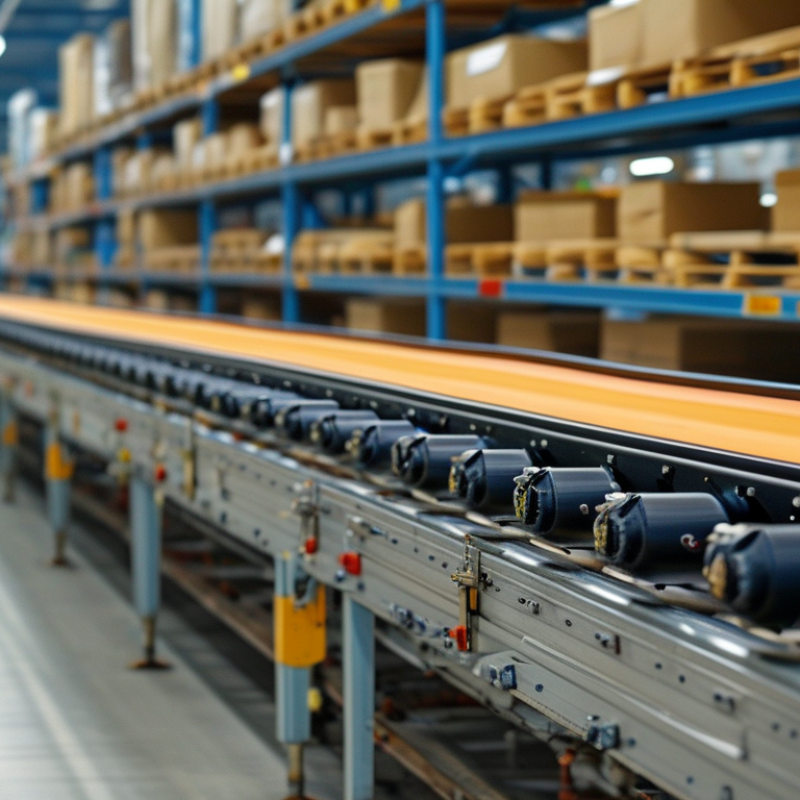
Implementing a roller conveyor system in warehousing offers significant advantages.
This system enhances efficiency and reduces labor costs.
With smooth rolling mechanisms, items can be moved quickly across various workstations.
This speeds up the sorting and packing processes.
In busy warehouses, time is crucial.
The faster the goods move, the better the operation.
Additionally, roller conveyors require less physical strain on workers.
Instead of lifting heavy items, employees can push or guide products along the conveyor.
This minimizes the risk of injuries.
Reduced fatigue leads to increased productivity.
Workers can focus on quality checks and other essential tasks.
However, it’s important to remember maintenance needs.
Regular checks are vital to avoid delays.
Another aspect is the adaptability of roller conveyors.
They can be integrated into existing systems easily.
This flexibility allows businesses to respond to changing demands.
Yet, not every warehouse layout suits a roller conveyor system perfectly.
Businesses should assess their space carefully before investing.
This reflection ensures that they maximize the system’s potential.
Key Features of Roller Conveyor Systems and Their Impact on Efficiency
Roller conveyor systems are essential in modern business operations. They improve efficiency by allowing seamless movement of products. With their simple yet effective design, they reduce manual handling and enhance productivity. This translates to significant time savings for businesses.
One key feature is their ability to handle varying load sizes. Roller conveyors enable smooth transport of both light and heavy items. This adaptability ensures that different products can be moved without needing multiple systems. Additionally, they require minimal maintenance. This lowers operational costs and increases reliability in daily tasks.
However, some challenges arise when implementing these systems. Proper alignment is crucial to avoid jams. Staff training is necessary to maximize the efficiency of the conveyor. Reflecting on these aspects helps businesses identify potential pitfalls. Addressing them upfront can lead to smoother operations and higher overall performance in the long run.
Cost-Effectiveness of Roller Conveyor Systems Compared to Other Options
Roller conveyor systems offer significant cost advantages for businesses looking to enhance their material handling. With their simple design, roller conveyors require less maintenance compared to complex alternatives. This reliability translates to lower operational costs over time. Businesses can allocate budgets more efficiently when choosing roller systems. Reduced downtime means increased productivity, which is crucial for meeting customer demands.
When considering investments, think about long-term savings. Monitor your current logistics processes. You may uncover inefficiencies that roller conveyors will address. They can handle varying product sizes and weights, making them adaptable for different applications. This versatility can lead to better resource management.
Here is an essential consideration: assess the initial installation expenses versus long-term operational costs. It’s easy to get lost in upfront prices, but sustainability is key. Businesses should evaluate whether cheaper options will incur higher costs later. Balancing initial investment with durability is critical. Conduct thorough research on options available in the market. Look for systems that promise not only affordability but also longevity and reliability in performance.
Cost-Effectiveness of Roller Conveyor Systems Compared to Other Options
Applications of Roller Conveyor Systems in Various Industries
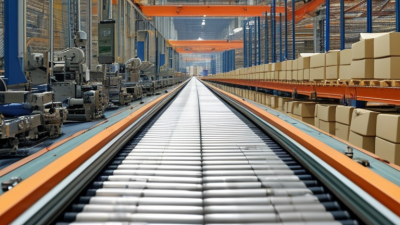
Roller conveyor systems are essential in many industries. They provide efficient material handling across various applications. These systems move items safely and quickly, improving productivity and workflow. In manufacturing, they transport products along the production line. Assembly lines rely on roller conveyors for seamless movement of parts.
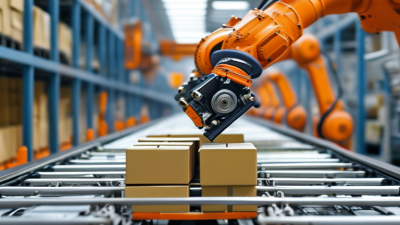
In warehousing, roller conveyor systems are used extensively. They help in sorting, packing, and shipping processes. For instance, heavy boxes can be moved easily without manual lifting. In retail, these systems are essential for efficient checkout processes. They allow customers’ items to flow smoothly from cart to register, enhancing the shopping experience.
While roller conveyors offer many advantages, they are not without challenges. Maintenance can be an ongoing task. Dust and debris may accumulate, affecting performance. Additionally, businesses must consider the layout of their space carefully. A poorly designed system can lead to bottlenecks or safety hazards. Adjusting to changing inventory needs can also be complex. Understanding these aspects is crucial for effective implementation.
Factors to Consider When Choosing a Roller Conveyor System for Your Business
When selecting a roller conveyor system for your business, several factors should be evaluated. The type of materials you handle plays a critical role. Different materials have varying weights and dimensions, which means the conveyor system must be tailored accordingly. For example, heavier items may require thicker, more robust rollers to withstand the weight. This can directly impact the longevity and performance of your system.
Additionally, consider the layout of your facility. A roller conveyor should seamlessly integrate with existing workflows. Space constraints can limit the size of the system. If you're working in a tight area, compact designs may be necessary. Think about the operational flow as well. If products need to change directions frequently, ensure the system can accommodate that without bottlenecks.
Keep in mind the maintenance aspect. Some roller conveyor designs require more upkeep than others. Simpler systems can sometimes lead to fewer breakdowns. However, these may not always handle diverse product lines well. Always reflect on how the initial investment will affect long-term operational costs. Balancing immediate needs with future scalability is essential to making a wise decision for your business.