What is Automated Conveyor and How Does It Work?
Automated conveyors are reshaping industries worldwide. According to a recent report by MarketsandMarkets, the automated conveyor systems market is expected to reach $9.5 billion by 2026. This growth reflects the increasing demand for efficiency in logistics and manufacturing. Factories are adopting automated conveyors to streamline operations and reduce labor costs.
The technology behind automated conveyors is fascinating. These systems move materials from one location to another, reducing manual handling. They can be customized to fit diverse operational needs. For instance, certain automated conveyors are designed for fragile goods. Others handle heavy loads, showcasing their versatility. However, the transition to automation comes with challenges. Companies must consider initial investments and ongoing maintenance.
Despite these challenges, the benefits are substantial. Improved productivity and safety are often reported by industries that implement automated conveyors. The rise in e-commerce has also increased the need for efficient sorting and distribution systems. Businesses are learning to adapt, yet some still struggle with the integration process. Understanding automated conveyors is key to leveraging their full potential.
Definition and Overview of Automated Conveyors
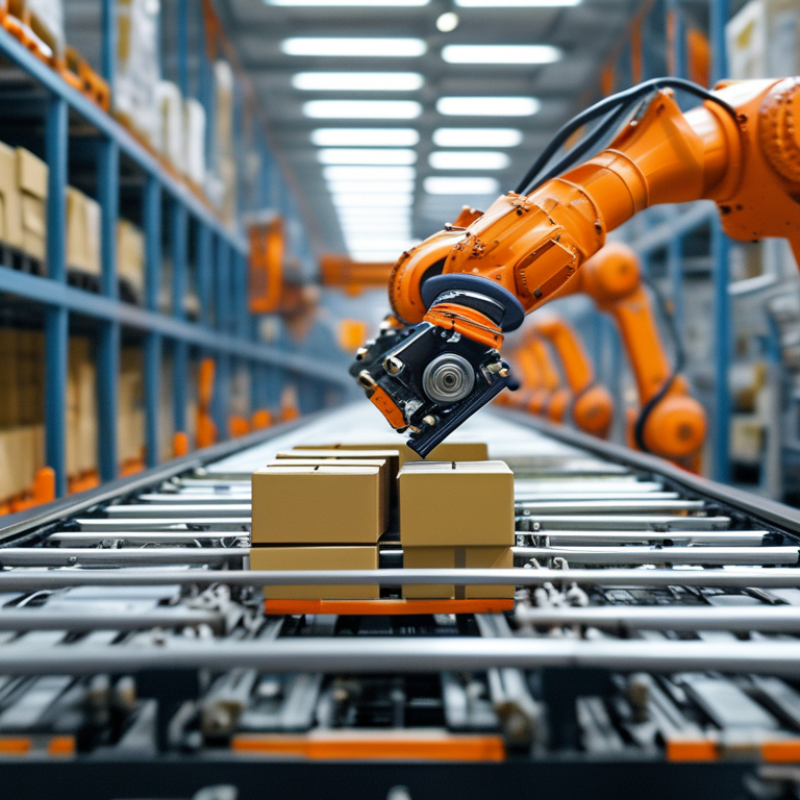
Automated conveyors are essential systems in modern manufacturing and logistics. They facilitate the movement of goods from one point to another, greatly enhancing operational efficiency. These conveyors use a variety of mechanisms, including belts, rollers, and chains, to transport products seamlessly within a facility. Their design often varies based on the application and the type of material being handled, ranging from light packages to heavy machinery.
Understanding how automated conveyors work can shed light on their importance. The core components typically include a drive motor, which powers the system, and sensors that monitor the movement of items along the conveyor. The integration of these components ensures precise control over speed and direction. However, improper maintenance can lead to wear and tear, causing unexpected downtimes. It's crucial to have a regular maintenance schedule to address potential issues before they escalate.
Automated conveyor systems enhance productivity by reducing manual labor and minimizing human error. However, reliance on such technology can raise challenges. For instance, if system malfunctions occur during peak operations, it may disrupt workflow entirely. Thus, while automated conveyors represent significant advancements, it is important to remain vigilant about their management and operational integrity.
Key Components and Mechanisms of Automated Conveyor Systems
Automated conveyor systems are complex but essential in modern production lines. Key components include motors, rollers, and belts. Motors power the conveyor, driving the movement. Rollers support the load, allowing items to glide smoothly along. The belts are typically made from durable materials that withstand wear and tear. Over time, the condition of these components must be monitored closely to ensure efficiency.
Mechanisms that enhance functionality include sensors and control systems. Sensors detect items and facilitate precise control over speed and direction. Control systems orchestrate the entire operation, synchronizing different conveyor sections. These elements work together to improve productivity. Yet, maintenance can often be overlooked. Neglected components can lead to breakdowns, causing costly delays.
Adaptability is another important aspect. Many automated conveyors can adjust to various types of products. They can be reconfigured for different tasks, making them flexible. However, this versatility can lead to challenges. Training staff to operate and maintain diverse systems is crucial but sometimes insufficient. Effective training programs can bridge this gap, ensuring optimal performance.
Automated Conveyor System Efficiency
This bar chart illustrates the efficiency ratings for different factors influencing automated conveyor systems. Each factor is rated on a scale from 1 to 10, demonstrating the strengths and weaknesses in the operation of these systems.
Types of Automated Conveyors and Their Applications
Automated conveyors are crucial in modern industries. They enhance efficiency by streamlining the movement of goods. Different conveyor types serve various applications. Each type has its unique advantages and challenges. Understanding these types helps in optimizing operations.
Belt conveyors are widely used. They transport bulk materials or packages. According to industry research, belt conveyors can increase efficiency by up to 30% in distribution centers. However, they require regular maintenance to prevent breakdowns. Roller conveyors are another popular choice, ideal for heavy items. Their ability to handle different weights makes them versatile. Yet, they can be noisy and may need soundproofing efforts in sensitive environments.
Pneumatic conveyors use air pressure to move materials. They are effective for transporting powders or granules. However, they can be costly to install and maintain. It's important to consider these factors. Evaluate your specific needs to choose the right type. Automation is transformative, but imperfect implementations can lead to inefficiencies. Keeping an eye on performance metrics can help refine choices.
How Automated Conveyors Operate and Control Systems
Automated conveyors play a critical role in modern manufacturing and logistics. Understanding their operation and control systems is essential for maximizing efficiency. These systems often use programmable logic controllers (PLCs) to manage their functions. PLCs provide real-time control, enabling precise movement and coordination. According to a report by MarketsandMarkets, the automated conveyor market is projected to grow significantly, driven by increased demand for efficiency and accuracy in production lines.
Automated conveyors typically consist of various components. Motors, sensors, and belts work together to facilitate the movement of materials. Sensors detect the position and speed of items, providing feedback for optimal control. In a fast-paced environment, even minor delays can lead to substantial losses. One study suggested that implementing automated systems can improve production rates by over 30%.
When considering automated conveyors, ensure proper maintenance. Regular checks on sensors and belts can prevent unexpected downtimes. Small issues can escalate quickly, leading to costly interruptions. It is also beneficial to train staff on the systems in place. Knowledgeable staff can identify potential problems early, ensuring smooth operation and continuity.
Benefits and Challenges of Implementing Automated Conveyors
Automated conveyors are revolutionizing the way industries handle materials. These systems can significantly enhance efficiency and productivity in various settings. However, implementing them comes with its own set of challenges. Understanding both the benefits and obstacles is crucial for a successful transition.
One major benefit of automated conveyors is the reduction of manual labor. This not only cuts costs but also minimizes the risk of workplace injuries. Workers can focus on more strategic tasks rather than repetitive actions. However, the initial investment in technology can be substantial. Businesses must evaluate whether the long-term gains outweigh these upfront costs.
Another advantage is the ability to improve accuracy and speed in material handling. Automated systems can sort, transport, and manage products swiftly. But, regular maintenance is essential to keep these systems running efficiently. Unexpected downtime can lead to disruptions in production. Companies need to be prepared for potential setbacks to avoid losing momentum. Balancing the pros and cons is key to leveraging the full potential of automated conveyors.