






A Filter Dryer For Compressor systems is a small component with a demanding responsibility. It removes moisture, acid, dirt, and metal particles from the refrigerant circuit. These contaminants can damage valves, restrict capillary tubes, and reduce compressor life. In practical service work, a blocked dryer may appear as poor cooling, unstable pressures, or an unusual temperature drop across its shell.
The component also protects the compressor after installation, repair, or burnout cleanup. A properly selected filter dryer can capture residual moisture before it reaches sensitive internal parts. Its capacity, connection size, refrigerant compatibility, and pressure rating must match the equipment. Check the manufacturer’s data carefully. Guesswork is expensive.
Technicians usually inspect the sight glass, measure pressure differences, and compare operating temperatures. A noticeable temperature drop across the dryer can indicate restriction. However, one reading rarely tells the whole story. Ambient temperature, charge level, airflow, and system load can create similar symptoms. This is where experience matters.
No filter dryer is a cure-all. It cannot compensate for poor evacuation, incorrect charging, or repeated moisture entry. That limitation deserves attention. Many failures blamed on the compressor begin with neglected installation practices. Replacing the dryer without finding the contamination source may only delay another breakdown.
Reliable maintenance combines manufacturer guidance, accurate instruments, and careful documentation. Choose a dryer with sufficient contaminant capacity, install it in the correct flow direction, and protect open tubing from humid air. Small details matter. When selected and installed correctly, a Filter Dryer For Compressor systems supports cleaner refrigerant, steadier performance, and more dependable long-term operation.
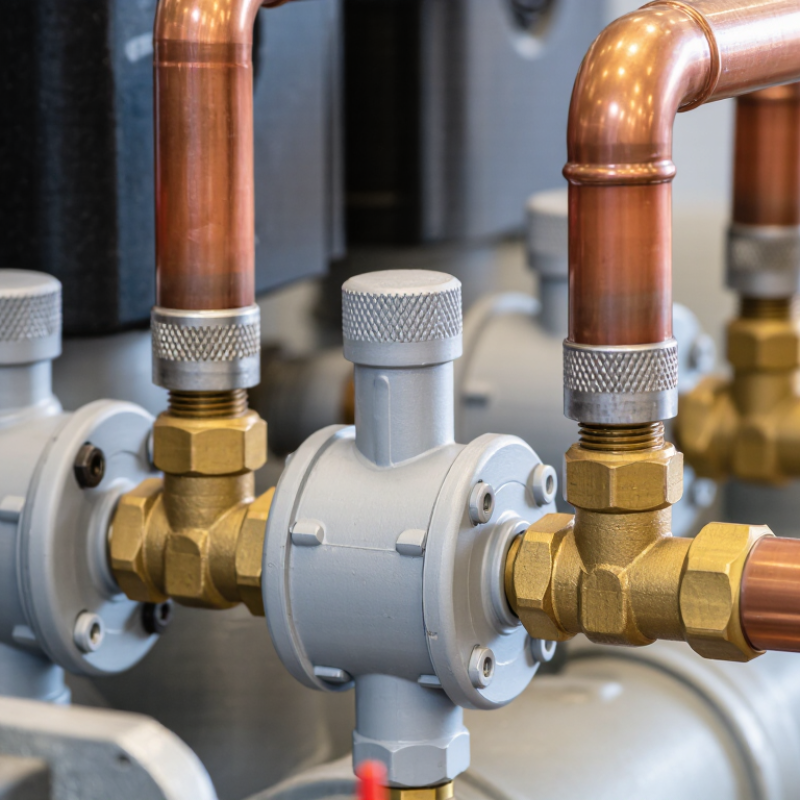
A filter drier is a sealed protection device installed in a compressor system’s refrigerant circuit. It usually sits in the liquid line, near the expansion device. Inside, desiccant removes moisture, while a fine filter captures dirt, metal particles, and residue. Some models also help control acid after motor burnout.
Moisture can freeze at a narrow expansion valve. It can also create corrosion, copper plating, and lubricant problems. The ASHRAE Handbook—Refrigeration identifies moisture and contaminants as major causes of refrigeration-system failures. The U.S. Department of Energy reports that compressed-air leaks may waste 20–30% of compressor output. That figure concerns air systems, not refrigerant circuits, but it shows how small losses can become expensive. A filter drier cannot fix poor evacuation or contamination at the source. It is protection, not a cure.
Tips: Select the drier by refrigerant, flow capacity, moisture load, and allowable pressure drop. Replace it after a compressor burnout or major circuit opening. Check the sight glass, temperature difference, and system pressure after installation. AHRI Standard 740 supports disciplined refrigerant recovery and performance testing. Field work often reveals an uncomfortable truth: technicians sometimes choose by pipe size alone. That shortcut can restrict flow. Measure the system instead.

In compressor systems, moisture is a quiet source of damage. It can freeze at the expansion device, dilute oil, and encourage acid formation. A filter drier controls this risk inside the liquid line. Its desiccant attracts water molecules as refrigerant passes through. The core also traps metal particles, sludge, and residue from installation. Small details matter here. A clean, correctly sized drier helps protect valves and compressor bearings.
In service work, technicians often inspect the drier after a burnout or major repair. A dark core, unusual pressure drop, or wet sight glass can reveal trouble. The desiccant is not a permanent solution. It has limited moisture capacity, especially after exposure to humid air. I have seen systems run normally while contamination slowly reduced efficiency. That is easy to miss. Measuring temperature difference and pressure across the drier provides better evidence than guesswork. Still, readings can mislead when airflow or charge is already incorrect.
Tips: Keep replacement cores sealed until installation. Evacuate the system with a calibrated vacuum gauge, not a timer. Replace the drier after opening a sealed circuit, particularly in humid conditions. Check the arrow direction and confirm that pressure drop stays within the equipment specification. Do not treat a sight glass alone as proof of dryness. It helps, but it is not the whole diagnosis.
Moisture can freeze at expansion devices, react with refrigerant oil, and contribute to corrosion and acid formation. A filter drier uses desiccant material to adsorb water, while its filter section captures solid particles and helps protect the compressor and metering device.
The chart shows the saturation vapor pressure of water over ice at typical low-temperature refrigeration conditions. As temperature falls, water vapor pressure decreases, but residual moisture can still migrate, freeze, or react inside the system. Values are based on standard saturation-pressure data for water over ice.
Clean refrigerant protects compressor performance because moisture and particles can quietly damage internal components. ASHRAE Handbook—Refrigeration (2022) identifies moisture, air, acids, and decomposition products as major causes of refrigeration system trouble. A filter drier removes these contaminants before they reach the compressor. It also helps limit ice formation at expansion devices and reduces corrosion inside copper lines.
The numbers are small but important. AHRI Standard 700-2019 sets strict contaminant limits, with water limits often measured in tens of parts per million, depending on the refrigerant. Even this level can matter in a sealed system. Moisture may react with oil and refrigerant breakdown products, creating acids that attack motor insulation and metal surfaces. The result can be rising discharge temperature, unstable oil return, or repeated electrical trips.
In field service, a clean filter drier is often cheap insurance. Technicians should check pressure drop, sight-glass condition, evacuation quality, and replacement history. A drier is not a repair for poor evacuation. That mistake happens. If the core is saturated, leaving it installed can hide the problem while the compressor continues operating under stress. Selecting the correct capacity also matters, since an undersized drier may restrict flow during peak load.
Choosing a filter drier starts with the refrigerant, oil, and compressor design. Compatibility matters more than physical size. A drier must tolerate the system’s pressure, temperature, and expected refrigerant flow. AHRI Standard 700-2023 lists moisture limits as low as 10 parts per million by mass for several commonly used refrigerants. That figure shows how little water the circuit should contain.
Field technicians should check the manufacturer’s rated capacity at the actual evaporating temperature. A model sized only by pipe diameter may create unnecessary pressure drop. Select a sealed drier for small, clean systems. Consider a replaceable-core housing for larger systems, retrofits, or circuits with repeated acid formation. The core should match the risk: moisture removal, acid control, or particulate filtration. The wrong core can look correct and still fail quietly.
ASHRAE Handbook—Refrigeration identifies moisture, contaminants, and chemical breakdown as major threats to refrigeration reliability. Installation experience supports that warning. After a motor burnout, I would use a high-capacity cleanup core and verify pressure drop during operation. However, I have seen oversized driers installed without checking flow conditions. Bigger is not automatically better. It may delay oil return or restrict the circuit. The U.S. Department of Energy’s The Future of Cooling report projects cooling demand could triple globally by 2050, increasing the value of careful component selection. Record the refrigerant, oil type, system capacity, pressure ratings, and measured temperature difference before choosing the final drier.
| Selection Dimension | Typical Data or Requirement | Why It Matters | Recommended Practice |
|---|---|---|---|
| Primary purpose | Remove moisture, acid, particulate contamination, and selected decomposition products from the liquid refrigerant circuit. | Contaminants can cause corrosion, ice blockage, capillary or expansion-valve restriction, and compressor lubricant deterioration. | Install the filter drier in the liquid line, close to the metering device, unless the system design specifically requires another location. |
| System type | Residential air conditioning, commercial refrigeration, heat pumps, transport refrigeration, or industrial compressor systems. | Operating temperature, refrigerant charge, vibration, and contamination risk vary significantly by application. | Select a drier rated for the complete application range rather than sizing it only by connection diameter. |
| Refrigerant compatibility | Compatibility must be confirmed for the refrigerant, lubricant, pressure class, and temperature range. | A material that is suitable for one refrigerant and oil combination may not be suitable for another. | Use the manufacturer’s compatibility data and applicable safety standards before installation. |
| Desiccant composition | Common desiccants include molecular sieve, activated alumina, and blended formulations. | Different desiccants provide different moisture adsorption and acid-control characteristics. | Choose the desiccant based on refrigerant type, lubricant chemistry, expected moisture load, and required acid protection. |
| Moisture-control capacity | Capacity is normally specified as a moisture adsorption value under defined test conditions, not as a universal single number. | A higher moisture load may occur after pipework exposure, component replacement, evacuation problems, or a compressor burnout. | Use a high-capacity or cleanup drier when the system has experienced severe contamination; replace it after cleanup when required. |
| Filtration rating | Many liquid-line filter driers use fine filtration in the approximate range of 15–40 micrometres, depending on design. | Particles from brazing, pipework, wear, or desiccant breakdown can damage valves and compressor components. | Select filtration performance that protects the metering device without creating excessive pressure drop. |
| Flow capacity | Capacity is commonly stated as a refrigerant mass-flow rate or cooling capacity at specified evaporating and condensing conditions. | A drier that is too small may restrict flow and reduce system capacity. | Compare the published flow rating at the actual refrigerant, temperature, and pressure conditions of the system. |
| Pressure drop | The allowable pressure drop depends on the refrigerant circuit and operating conditions; lower is generally preferred in the liquid line. | Excessive pressure drop can reduce the available liquid pressure at the expansion device and contribute to flashing. | Use the largest practical drier that meets the required flow and contamination-control objectives without unnecessary cost. |
| Connection size | Common connection sizes include approximately 1/4, 3/8, 1/2, 5/8, and 7/8 inch tubing, depending on system capacity. | The connection must match the pipework while maintaining the required internal flow area. | Match the tubing size and connection type, but verify capacity and pressure drop separately. |
| Maximum working pressure | The pressure rating must exceed the highest expected operating and applicable test pressure for the system. | Pressure requirements differ between low-pressure, high-pressure, and elevated-pressure refrigerant systems. | Check the nameplate, technical datasheet, and local pressure-equipment requirements before use. |
| Temperature range | The selected unit should cover the minimum and maximum liquid-line temperatures, including start-up and defrost conditions where applicable. | Temperature affects pressure, material performance, oil viscosity, and moisture-control behavior. | Confirm the rated temperature range for the complete operating envelope, not only normal running conditions. |
| Acid-control requirement | Standard protection is suitable for clean systems; cleanup driers are intended for systems with acid or burnout contamination. | Acid can attack motor windings, bearings, insulation, and internal metallic surfaces. | After a burnout, install an appropriate cleanup drier, test the oil and refrigerant, and follow a documented replacement procedure. |
| Installation direction | Most sealed liquid-line driers have a specified flow direction; some replaceable-core designs may support additional configurations. | Incorrect flow direction can reduce filtration performance or damage internal components. | Follow the arrow on the housing and install the component where it remains accessible for inspection or replacement. |
| Moisture indicator | A sight glass with a moisture indicator can provide a visual indication of liquid condition and approximate moisture status. | It helps identify moisture risk, flashing, low charge, or inadequate subcooling, but it is not a substitute for testing. | Use indicator readings together with pressure, temperature, superheat, subcooling, and refrigerant-quality measurements. |
| Replacement condition | Replace when pressure drop rises, the moisture indicator shows a persistent wet condition, contamination is confirmed, or the system has been opened extensively. | A saturated or restricted drier cannot provide reliable protection and may impair system performance. | Keep the replacement interval application-based; do not rely solely on calendar time. |
| Best sizing principle | Select by refrigerant compatibility, flow capacity, moisture and acid capacity, filtration, pressure rating, temperature range, and connection size. | No single specification determines suitability for every compressor system. | Use the technical datasheet at actual operating conditions and verify the final selection against system design requirements. |
Note: Performance values for filter driers are application-dependent. Always verify the refrigerant, lubricant, flow rate, pressure rating, temperature range, and manufacturer’s published test conditions before selection.
Why Use a Filter Dryer for Compressor Systems?
A filter drier protects compressor systems from moisture, acid, debris, and wax. Moisture can freeze at the expansion device or react with refrigerant oil. The result may be unstable pressures, noisy operation, or compressor damage. The International Energy Agency’s Future of Cooling report projects that cooling energy demand could more than triple by 2050. Reliable contamination control will matter even more as systems operate longer and more frequently.
Install a filter drier after compressor replacement, major refrigerant leaks, or any opened refrigeration circuit. Use a new drier after brazing work, especially when tubing has stayed exposed to humid air. Keep the line sealed during installation. A small detail matters: the arrow must follow refrigerant flow. Backward installation is easy to miss.
Inspect the drier during every scheduled service visit. Check for sweating, frost, corrosion, and unusual temperature differences across the shell. A temperature drop can indicate restriction. Sight-glass moisture indicators can support the diagnosis, but they are not perfect. ASHRAE Handbook—Refrigeration recommends moisture and contaminant control as part of sound system practice. Replace the drier after a burnout, repeated moisture indication, or confirmed pressure drop. Do not wait for failure. I have seen this rule applied too late. The inspection record should include pressure readings, refrigerant conditions, and the reason for replacement. That record makes future decisions more reliable.

