






Choosing the right Spray Can Machinery begins with understanding the container, formulation, and production target. Aluminum cans may require different handling than tinplate cans. A high-speed aerosol line also demands tighter coordination than a small, flexible workshop system. The machine must support accurate forming, reliable filling, valve placement, crimping, leak testing, and coding. Small errors can become expensive quickly.
W. Edwards Deming, a respected manufacturing-quality authority, stated, “Quality comes not from inspection, but from the improvement of the production process.” This principle remains highly relevant to Spray Can Machinery. Operators should examine each stage, from blank feeding to final palletizing. A stable conveyor rhythm matters. So does clean tooling. A single misaligned valve can interrupt an otherwise efficient line.
The top machinery types usually include can-making systems, aerosol filling machines, valve crimping machines, leak testers, actuators fitting units, and automated packaging equipment. Some factories need integrated lines. Others benefit from modular equipment that can be adjusted for several can sizes. There is no universal winner. That assumption deserves questioning.
In practice, machinery selection depends on output volume, product viscosity, can dimensions, changeover frequency, and quality requirements. Safety controls and environmental management must also guide the decision. Good equipment should reduce waste, protect workers, and produce consistent results. Yet even advanced automation cannot replace careful maintenance. Filters clog. Sensors drift. People occasionally miss warning signs. A realistic introduction should acknowledge these imperfections before comparing the leading Spray Can Machinery categories.
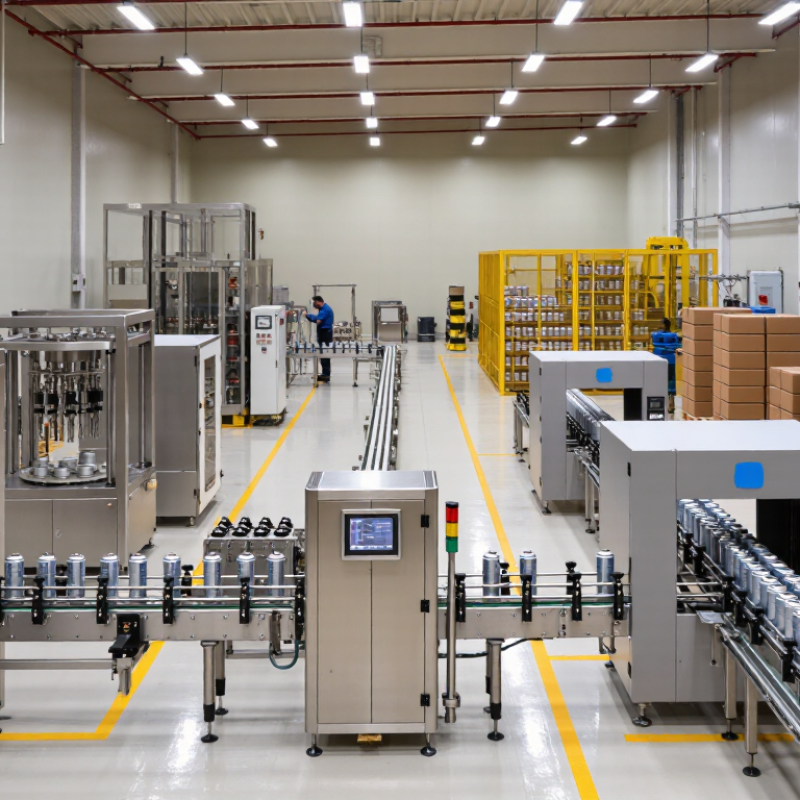
Spray can machinery is a coordinated production system for making, filling, sealing, and checking aerosol containers. It does not simply “put liquid in a can.” Each station controls a different risk, from metal shape to valve alignment and pressure stability.
A typical line may include can-forming equipment, cleaning units, filling machines, crimping machines, leak testers, and coding systems. Rotary filling machines move cans through several stations at high speed. Linear machines handle containers in a straight path and can be easier to adjust for smaller production runs. Can-making equipment cuts, rolls, and joins metal sheets before filling begins. Precision matters. Small errors spread.
During filling, sensors confirm the can position before the measured formulation enters. A valve is then placed and crimped tightly to the opening. The machine checks the seal, container weight, and sometimes internal pressure. Leak-testing equipment may use controlled water baths, pressure monitoring, or other approved methods. Safety guards, emergency stops, ventilation, and grounding systems are essential, especially when compressed gases or flammable materials are involved.
In practical operation, clean changeovers often matter as much as speed. Residue around a nozzle can affect the next batch. A worn sealing tool can create inconsistent results. Operators should verify calibration, inspect sample cans, and record test data throughout production. No setup is perfect. Even reliable machinery needs maintenance, because a quiet vibration or slight fill variation may reveal a larger problem later.

Spray can machinery mainly falls into forming, decorating, finishing, filling, and inspection systems.
Metal aerosol cans usually begin with body-forming equipment. It cuts sheet metal, shapes the cylinder, and joins the side seam. Necking and beading machines then reduce the opening and strengthen the rim. These details matter. A poorly formed edge can disturb valve crimping later.
Printing and coating machines apply graphics, protective lacquer, or internal coatings. Modern systems often combine multiple colors with rapid curing ovens. Filling lines handle product dosing, valve placement, crimping, and propellant charging. Leak testers then check pressure stability, while vision systems inspect dents, coding, and closure alignment. Packaging equipment groups finished cans into cartons or trays.
According to Grand View Research’s 2024 aerosol cans market analysis, the global market could expand at roughly 4% annually through 2030. That growth supports demand for faster, more automated machinery, especially in high-volume facilities. Yet speed alone is not good engineering. It can increase rejects.
A practical machinery choice depends on can diameter, material thickness, coating requirements, and filling accuracy. A rotary line suits consistent, large-scale production. Modular equipment offers easier changeovers for varied can sizes.
Industry testing data also shows why inspection matters. The International Organization for Standardization’s aerosol packaging standards emphasize pressure resistance, leakage control, and dimensional consistency. Operators should record actual downtime, scrap rates, and maintenance intervals before upgrading.
The numbers may look incomplete. They often reveal the real problem.
Aerosol filling machines work through a controlled sequence of dosing, crimping, pressurizing, and inspection. The operator places empty cans on a conveyor. The machine dispenses the product through a calibrated piston or mass-flow system. A valve is then inserted and crimped tightly onto the can neck. The equipment injects propellant through the valve, either under pressure or by a pressure-filling method. Sensors check fill weight, valve position, and container movement. A final leak test protects workers, retailers, and consumers. The process looks simple. It is not perfectly forgiving.
Tips: Keep product temperature stable during filling. Temperature changes can alter viscosity and dosing accuracy. Clean the product path at scheduled intervals. Even small residue can affect valve performance. Record pressure, weight, and rejection rates for every production batch. These records support traceability and reveal gradual machine drift.
According to Smithers’ 2024 aerosol packaging analysis, metal remains a major material choice because it supports pressure resistance and high-speed processing. Grand View Research also reports continued growth in the global aerosol cans market, driven partly by personal care and household applications. That growth increases the need for reliable automation, not merely faster output. In practice, a machine may reach impressive rated speeds, but real production depends on changeover time, container quality, and maintenance discipline. A poorly adjusted crimping head can create hidden leaks. That detail is easy to underestimate. Industry reports provide useful market direction, yet factory trials remain essential before selecting equipment.
| Machinery Type | Primary Function | Typical Operating Principle | Typical Capacity | Suitable Products | Important Controls |
|---|---|---|---|---|---|
| Linear Aerosol Filling Machine | Fills and assembles cans in a straight production line. | Cans move through separate stations for product filling, valve placement, crimping, propellant charging, and testing. | Approximately 20–80 cans per minute, depending on configuration and product viscosity. | Household cleaners, personal-care products, lubricants, and industrial sprays. | Filling volume, conveyor speed, valve position, crimp depth, and pressure. |
| Rotary Aerosol Filling Machine | Provides continuous high-speed filling and assembly. | Cans are indexed around a rotating turret while multiple operations occur simultaneously at fixed stations. | Approximately 60–300 cans per minute for high-volume production lines. | Large-volume consumer, cosmetic, pharmaceutical, and technical aerosol products. | Turret indexing, synchronized dosing, crimp dimensions, line pressure, and reject detection. |
| Piston Product Filler | Measures and dispenses the liquid or semi-liquid product. | A calibrated piston draws product into a cylinder and discharges a controlled volume into each can. | Commonly used for precise fills from about 50 mL to 1,000 mL, depending on cylinder size. | Viscous cleaners, creams, gels, oils, paints, and other liquid formulations. | Piston stroke, fill volume, product temperature, nozzle shutoff, and sealing condition. |
| Gas or Propellant Filler | Introduces liquefied or compressed propellant into the sealed can. | A filling head seals against the valve and meters propellant by weight, pressure, or a controlled dose. | Often integrated into lines operating at approximately 20–300 cans per minute. | Aerosols using liquefied propellants, compressed gases, or air-based systems. | Propellant mass, supply pressure, temperature, filling time, grounding, and ventilation. |
| Bag-on-Valve Filling System | Fills a flexible inner bag while separating the product from the propellant. | The product is filled into the bag, the valve is crimped to the can, and compressed air or another approved gas is charged around the bag. | Typically about 20–100 cans per minute, depending on bag size and product characteristics. | Sensitive cosmetics, pharmaceuticals, food products, foams, and oxygen-sensitive formulations. | Bag fill volume, valve crimp, gas pressure, leak detection, and product cleanliness. |
| Valve Crimping Machine | Attaches and seals the aerosol valve to the can. | A crimping head compresses the valve cup and can neck to create a gas-tight mechanical seal. | Approximately 30–300 cans per minute, depending on single-head or multi-head design. | Most metal aerosol cans using standard crimp-on valves. | Crimp diameter, crimp depth, sealing pressure, valve alignment, and can-neck dimensions. |
| Water-Bath Leak Tester | Checks cans for leaks and abnormal pressure behavior. | Filled cans are immersed in a controlled-temperature water bath and inspected for escaping gas, deformation, or leakage. | Usually matched to the upstream filling line, commonly 20–300 cans per minute. | Pressurized aerosol cans requiring post-fill integrity verification. | Water temperature, immersion time, conveyor speed, pressure limits, and automatic rejection. |
Note: Production speeds and fill ranges are typical industry values. Actual performance depends on can size, valve design, formulation viscosity, propellant type, safety requirements, and line configuration.
Spray can machinery usually falls into forming, filling, seaming, coding, and testing equipment. Among these systems, seaming and testing machines have different responsibilities. A seamer joins the can body, lid, and gasket through controlled mechanical pressure. It creates a double seam, where small changes in roll pressure can affect overlap, seam thickness, and compound distribution. The process looks simple. It is not.
A testing machine checks whether that finished seam performs safely. Leak testers may use pressure decay, vacuum methods, or water-bath inspection. More advanced systems also measure can height, flange dimensions, seam thickness, and surface defects. A seamer changes the package. A tester judges it. According to Grand View Research’s Aerosol Cans Market report, the global market was valued at approximately USD 12.8 billion in 2023, with continued growth expected through 2030. That expansion increases pressure for stable, repeatable inspection.
Production data should guide the choice. The PMMI report The Future of Packaging Machinery identifies automation, traceability, and quality monitoring as major equipment priorities. In a practical line audit, operators should inspect seam samples at regular intervals, not only after failures appear. A faster line is not always better. Excessive speed can reduce testing sensitivity or hide gradual tool wear. This is where many installations remain imperfect: machines record results, but teams sometimes fail to review the trend behind them.
Choosing spray can machinery begins with the container, not the machine’s advertised speed. Can diameter, height, material, and wall thickness determine compatible handling systems. Steel and aluminum cans may require different feeding and sealing settings. The valve type also affects filling accuracy and crimping pressure. Small variations matter. A poorly matched system can create dents, leaks, or inconsistent product weight.
Production volume guides the next decision. High-output lines suit stable orders, while modular equipment offers better flexibility for changing can sizes. Check the changeover time carefully. Ten lost minutes can become several hours each week. Engineers should also examine filling tolerance, conveyor control, inspection sensors, and batch traceability. Safety deserves equal attention. Suitable ventilation, grounding, pressure protection, and automated shutoff systems reduce operational risks. Machinery should support applicable workplace and environmental requirements.
Maintenance often decides whether a machine remains profitable. Ask how easily operators can reach filling heads, seals, filters, and sensors. Clear manuals and available technical support improve reliability. Energy use matters too, especially for compressed air and vacuum systems. A practical factory trial can reveal problems that brochures hide. We once underestimated cleaning time during equipment planning; the schedule looked efficient, but real production proved otherwise. Leave room for inspection, training, and unexpected adjustments. The cheapest machine is rarely the least expensive choice.

