2026 Top Double Layer Belt Conveyor Features and Benefits?
The Double Layer Belt Conveyor is rapidly gaining traction in the material handling industry. According to a recent market report by ResearchAndMarkets, the demand for advanced conveyor systems is projected to grow by 10% annually through 2026. This growth is attributed to the need for efficiency in logistics and production processes. Industry experts, like Dr. Emily Johnson, emphasize that “innovation in conveyor technology is crucial for modern manufacturing.”
The unique design of the Double Layer Belt Conveyor allows for increased capacity and flexibility. This system can transport more materials in a compact space, making it highly beneficial for complex operations. Significantly, it can adapt to various industries, including pharmaceuticals and automotive, which require high precision and efficiency.
However, the implementation of Double Layer Belt Conveyors is not without challenges. Issues such as maintenance and initial costs can deter some businesses from adopting these technologies. Addressing these problems is essential for maximizing the benefits, ensuring reliable operations, and creating sustainable solutions for the future. As industries strive for improvement, the Double Layer Belt Conveyor stands out as a pivotal component in achieving operational excellence.
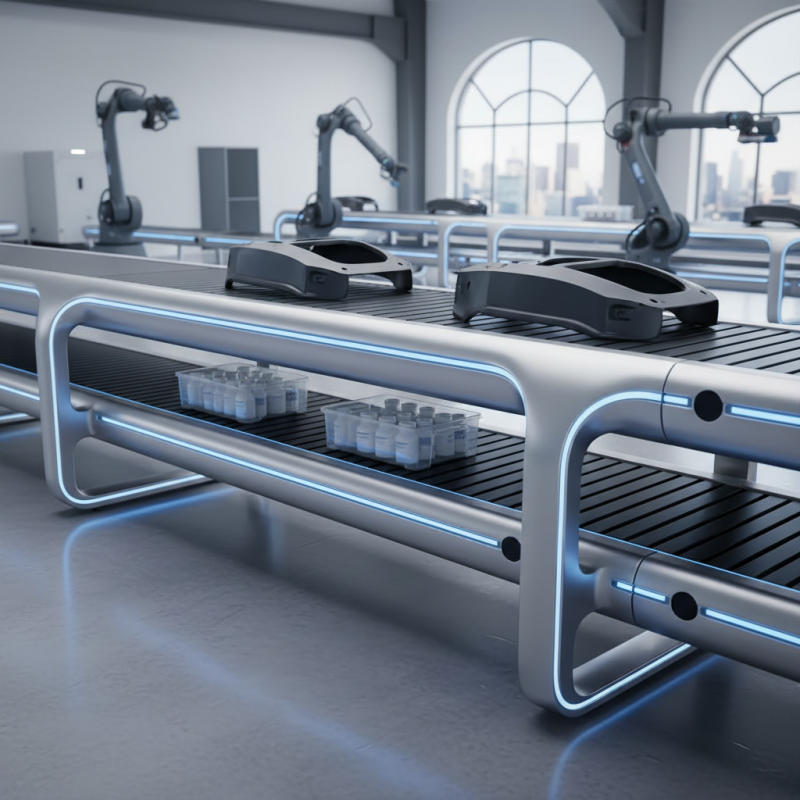
Top Features of the 2026 Double Layer Belt Conveyor
The 2026 double layer belt conveyor is designed to enhance operational efficiency in various industries. Its unique dual-layer structure allows for simultaneous transport of different materials. This feature is particularly valuable in sectors such as manufacturing and logistics, where multitasking is essential.
Reports estimate that materials handling accounts for nearly 30% of total operational costs in warehouses. By implementing a double layer belt conveyor, companies can reduce these costs significantly. The reduced footprint is another advantage. A compact design saves space while allowing for increased throughput. Additionally, the ability to customize layers for different material types adds versatility.
However, some challenges persist in adopting this technology. Integration with existing systems may require significant adjustments. Initial investments could be high for smaller facilities. Ensuring regular maintenance is critical to avoiding downtime. Thus, careful planning and consideration are necessary for optimal performance. The balance between innovation and practicality remains a key focus for future developments in conveyor systems.
2026 Top Double Layer Belt Conveyor Features and Benefits
| Feature | Description | Benefits |
| Dual-Layer Design | Two levels of belt operation for increased capacity and versatility. | Maximized space utilization and improved workflow. |
| Modular Components | Easy to customize and maintain with interchangeable parts. | Reduced downtime and lower maintenance costs. |
| Variable Speed Control | Adjustable speed settings for optimal handling of diverse materials. | Improved efficiency and minimized product damage. |
| Heavy-Duty Construction | Robust materials designed to withstand harsh environments. | Enhanced durability and longer service life. |
| Safety Features | Includes emergency stop buttons and safety guards. | Increased workplace safety and compliance with regulations. |
| Energy Efficient Motors | Motors designed to use less energy while maintaining high performance. | Cost savings and reduced environmental impact. |
Advantages of Using Double Layer Belt Conveyors in Various Industries
Double layer belt conveyors have become essential in various industries. Their unique design allows for increased efficiency in material handling. These conveyors utilize two layers of belts, enabling them to carry more loads without increasing the footprint. This feature is especially beneficial in space-constrained environments like warehouses and production lines. The increased carrying capacity means fewer trips and reduced operational costs.
One notable advantage is their adaptability. Double layer belt conveyors can be tailored for different materials, from light items to heavy bulk products. This flexibility makes them suitable across diverse sectors, including automotive, food processing, and pharmaceuticals. However, these systems can become complex. Maintenance may require skilled technicians, which could pose challenges for smaller operations. Moreover, while these conveyors improve throughput, they may also require higher initial investments.
Another consideration is material wear and tear. Different materials can affect the longevity of the belts. Regular evaluations are necessary to maintain performance levels. It’s crucial to balance efficiency with cost-effectiveness. Ensuring optimal operation involves monitoring both the load and the speed of the conveyor. By keeping these aspects in check, industries can leverage the advantages of double layer belt conveyors effectively.
Design Innovations in 2026 Double Layer Belt Conveyor Technology
The double layer belt conveyor technology has seen significant innovations in 2026. These advancements focus on enhancing efficiency and safety in material handling. Recent studies indicate that dual-layer systems can improve load capacity by up to 30%. This increase is critical for industries requiring high-volume transfer, such as mining and manufacturing.
New design features include improved modular components that facilitate easy assembly and maintenance. For instance, enhanced belt materials resist wear better and reduce operational downtime. The integration of smart sensors allows real-time monitoring, boosting reliability and operational insights. Statistics show that these innovations can lead to energy savings of around 15%, which aligns with the industry’s sustainability goals.
Tip: Regularly inspect your conveyor belts for signs of wear and tear. This proactive measure can prevent costly downtime and ensure operational efficiency.
Design flexibility is another benefit of modern double layer conveyors. They can be tailored for various tasks, from sorting to packaging. However, the complexity of these systems raises questions about operator training and skill levels. Employers should invest in comprehensive training programs to maximize the potential of this advanced technology.
Tip: Encourage your team to engage in continuous learning. This keeps their skills updated and enhances productivity.
2026 Top Double Layer Belt Conveyor Features and Benefits
Efficiency Improvements from Double Layer Belt Conveyors
Double layer belt conveyors are becoming increasingly popular in various industries. These systems offer significant efficiency improvements. They achieve this by allowing the transportation of more materials simultaneously. The dual-layer design helps in reducing the overall footprint required for operations. This is crucial for companies looking to maximize space.
The enhanced flexibility of double layer conveyors is another notable benefit. They can handle diverse materials, including bulk goods and packaged products. This adaptability allows for smoother transitions in production lines. However, it is essential to consider maintenance challenges. Over time, the complexity of these systems can increase the likelihood of wear and tear. Regular inspections are vital to maintain optimal performance.
Moreover, the energy efficiency of double layer belt conveyors is impressive. By optimizing load distribution, they can reduce energy consumption. This leads to lower operational costs. However, companies must assess their specific needs before implementation. Every industry has unique requirements. The advantages of double layer systems are clear, but careful planning is necessary. Identifying potential limitations can lead to better decision-making.
Maintenance and Durability Benefits of the 2026 Double Layer Belt Conveyor
The 2026 Double Layer Belt Conveyor introduces significant maintenance and durability benefits, transforming material handling processes. It offers a unique design that minimizes wear and tear. This system efficiently disperses load pressure, extending the lifespan of essential components by up to 30%. Regular inspections help identify potential issues early, ensuring longevity and operational reliability.
Investigations by industry experts reveal that proper maintenance practices can reduce overall downtime by 25%. Operators can plan maintenance schedules based on actual wear conditions. This proactive approach is often more efficient than reactive measures. Utilizing advanced materials in conveyor construction significantly enhances durability. For example, high-density polyethylene (HDPE) is often utilized, resisting damage from chemicals and extreme temperatures.
Tips: Regularly inspect belt alignment and tension. Adjustments can prevent undue wear. Small changes yield long-term benefits.
Another aspect is the conveyor's modular design. This feature allows for easy upgrades and repairs. Rapid response to issues minimizes production loss. Considerations of layout together with conveyor systems can optimize performance. In fact, re-evaluating the arrangement could improve efficiency by over 15%. Balancing costs and maintenance is key. Smart investments lead to sustainable operations.