Top 10 Insulated Cable Manufacturers Worldwide
The global demand for Insulated Cable is expanding with electrification, renewable power, data centers, and aging transmission networks. The International Energy Agency’s Electricity Grids and Secure Energy Transitions report estimates that annual grid investment must rise from about US$400 billion to more than US$600 billion by 2030. That shift creates sustained demand for safer, higher-capacity cable systems.
Market research supports this direction. Grand View Research identifies power, construction, telecommunications, and industrial projects as major cable market drivers. Its industry analysis also highlights growing demand for advanced insulation, fire resistance, low-voltage systems, and improved energy efficiency. Meanwhile, Fortune Business Insights projects strong growth in the global wire and cable market through the next decade, supported by infrastructure upgrades and clean-energy deployment.
The manufacturers in this list serve different technical environments. Some specialize in extra-high-voltage transmission cables. Others focus on building wires, submarine systems, railway cables, or industrial control products. Their performance depends on more than production volume. Certification, testing capacity, raw-material control, delivery reliability, and field experience also matter.
This ranking is not absolute. Public revenue figures often combine cables with unrelated electrical products. Regional reporting standards also differ. That makes direct comparisons imperfect, but still useful. The following Top 10 Insulated Cable Manufacturers Worldwide selection considers global reach, engineering capability, product range, documented quality systems, and market reputation. It also leaves room for review, because supplier strength can change with technology, ownership, and project performance.
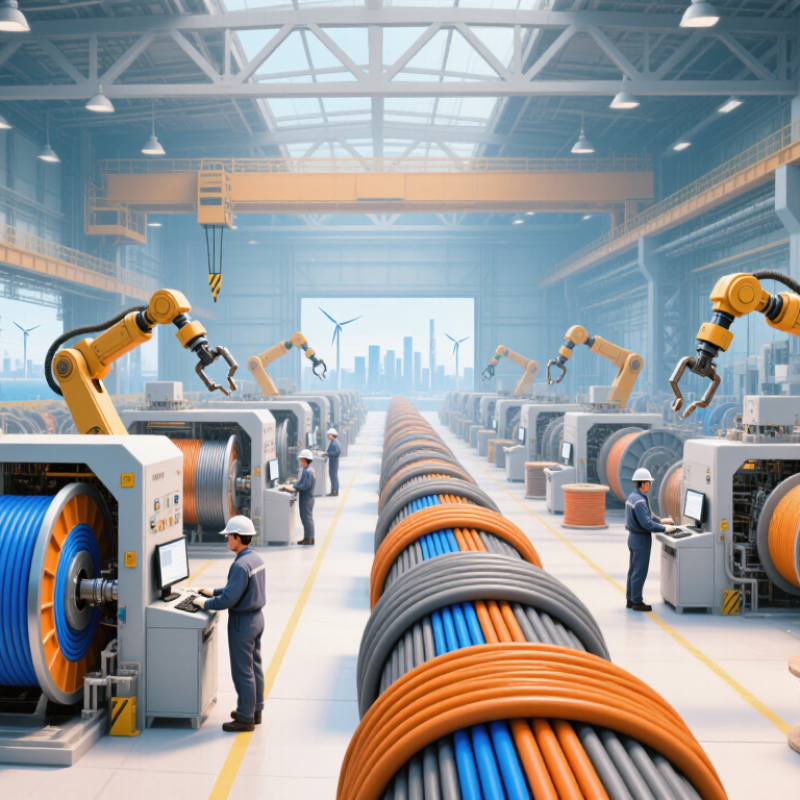
Defining Insulated Cables and Their Core Applications
Insulated cables are electrical conductors protected by materials such as cross-linked polyethylene, PVC, rubber, or paper-based compounds. The insulation limits current leakage and helps prevent contact with people, equipment, and nearby circuits. A metallic screen, armor, or outer sheath may provide additional protection, depending on voltage and installation conditions. That distinction matters.
The International Electrotechnical Commission’s IEC 60502-1 standard covers important low-voltage cable requirements, including construction, testing, and insulation performance. In practice, engineers select cables by voltage rating, conductor size, thermal capacity, fire behavior, moisture exposure, and mechanical stress. The environment decides. A cable beneath a road faces different risks from one inside a data center or offshore platform.
Core applications include building wiring, industrial machinery, underground distribution, renewable-energy systems, electric-vehicle charging, and transmission networks. The International Energy Agency reported in Electricity Grids and Secure Energy Transitions that more than 80 million kilometers of grids may need to be added or refurbished worldwide by 2040. It also estimated that annual grid investment must rise to over 600 billion dollars by 2030, roughly double current levels. These figures indicate sustained demand for reliable insulated cable systems, although forecasts can shift with permitting delays, raw-material prices, and changing energy policies. A specification can look correct on paper, yet installation quality still decides much of its real service life.
Key Criteria for Evaluating Global Cable Manufacturers
Evaluating an insulated cable manufacturer takes more than comparing prices or catalogue ratings. Check whether its products match the required voltage, conductor material, insulation type, and installation environment. Ask for test records that identify the cable construction and test conditions. Independent verification matters; a polished certificate alone tells you little about a specific production batch. IEC 60502-1 provides requirements for power cables with extruded insulation at rated voltages from 1 kV to 30 kV. Confirm that claimed compliance covers the exact product and rating being purchased.
Manufacturing capacity and delivery reliability deserve equal scrutiny. The International Energy Agency’s 2023 report, Electricity Grids and Secure Energy Transitions, estimates that more than 80 million kilometres of grids must be added or refurbished worldwide by 2040. That scale puts pressure on supply chains, making documented production capacity, lead times, and contingency plans practical evaluation criteria. Review factory quality controls, traceability from conductor to finished drum, and procedures for handling nonconforming material. Request evidence from recent inspections, not only general policy statements. Site audits can reveal useful details, such as storage conditions and how cable drums are protected from moisture. No scorecard is perfect. Even experienced buyers can overvalue a low quote and overlook testing delays, unclear warranties, or weak after-sales support. A careful review should weigh verified performance and service against cost.
Top 10 Insulated Cable Manufacturers Worldwide
Key Criteria for Evaluating Global Cable Manufacturers
This benchmark model summarizes the main procurement criteria used when evaluating global insulated cable manufacturers. The normalized percentages represent the relative importance of each criterion in a typical industrial sourcing assessment and are not company-specific scores.
Top 10 Insulated Cable Manufacturers Worldwide
The Top 10 Insulated Cable Manufacturers Worldwide reflect a market shaped by grid expansion, renewable power, and stricter safety expectations. Fortune Business Insights estimates the global wire and cable market at approximately USD 202.67 billion in 2023. It projects the market to reach USD 329.54 billion by 2030. These figures show why insulated cable quality now matters beyond basic conductivity.
A reliable top-ten assessment should examine more than production volume. Manufacturers need proven compliance with IEC 60502, strong voltage testing, and consistent insulation thickness. Fire resistance, moisture protection, recycled content, and delivery capacity also deserve attention. The IEA’s Electricity Grids and Secure Energy Transitions report states that annual grid investment must exceed USD 600 billion by 2030. That pressure rewards suppliers with stable factories and traceable quality systems. ISO 9001 certification helps, but it cannot replace independent testing. A certificate is not the whole story.
Real projects reveal practical differences. A cable drum stored beside a coastal substation faces salt, heat, and mechanical stress. Underground installations create different risks, including water movement and difficult repairs. The best manufacturers provide clear technical files, batch records, and field support. Yet no universal ranking exists. That is the uncomfortable part. A supplier leading in high-voltage systems may perform poorly in flexible industrial cables. Buyers should compare test evidence, warranty terms, and local service instead of trusting a simple list.
Technologies and Standards Shaping Insulated Cable Production
Insulated cable production depends on matching materials, geometry, and operating conditions. XLPE insulation handles higher temperatures than many common PVC formulations, while PVC remains useful where cost and flexibility matter. Low-smoke, halogen-free compounds may reduce smoke and corrosive gases during a fire, but their performance depends on the complete cable design. No material is best for every job.
Standards make products easier to specify and test. IEC 60228 covers conductor characteristics, while IEC 60502 addresses power cables within defined voltage ranges. IEC 60811 describes test methods for cable materials, including mechanical and thermal checks. Manufacturers also monitor insulation thickness and conductor centering along the production line. For medium-voltage cables, electrical tests can reveal defects that visual inspection may miss. Small inconsistencies matter. Yet factory tests cannot reproduce every bend, pull, or temperature change at an installation site.
Tips: Check the required voltage, ambient temperature, and installation method before selecting a cable. Ask for test records tied to the exact product type, not just a general quality certificate. Inspect cut samples for even insulation around the conductor. This helps, though it is not a substitute for qualified testing. One detail is easy to overlook: a technically compliant cable can still be poorly suited to its actual route.
How to Select a Reliable Insulated Cable Manufacturer
When evaluating the Top 10 Insulated Cable Manufacturers Worldwide, focus on evidence, not attractive brochures. A reliable manufacturer should explain conductor materials, insulation compounds, voltage ratings, and operating temperatures clearly. Ask for recent test reports, production records, and samples from the same manufacturing line. Traceability matters. Each cable should connect to a documented batch, inspection result, and delivery date.
I have found that factory experience becomes visible in small details. Technicians should understand bending radius, moisture exposure, flame behavior, and installation pressure. Check whether the manufacturer follows recognized quality standards and permits independent inspections. A strong warranty helps, but it cannot replace consistent testing. I once valued low pricing too heavily. That decision created delays and replacement costs. Price still matters, but process control matters more.
Tips: Compare at least three manufacturers using identical specifications. Request a sample, then test its flexibility, markings, and insulation thickness. Review delivery performance and communication during technical questions. Ask how defects are handled. If answers remain vague, pause the purchase. Also inspect packaging. Damaged reels can weaken otherwise compliant cable. Do not ignore after-sales support. It may be the difference between a smooth installation and an expensive field correction.