Top Rapid Prototyping Service Trends for 2026 What to Expect?
The landscape of Rapid Prototyping Service is evolving rapidly as we approach 2026. Market research indicates that the global market for rapid prototyping is expected to reach $15 billion by 2026, growing at a CAGR of 25% from 2021. This growth reflects the increasing demand for faster product development cycles and reduced time-to-market. Companies are adopting advanced technologies like 3D printing and CNC machining to enhance their prototyping capabilities.
Emerging trends indicate a shift towards more sustainable materials in rapid prototyping. Reports show that 60% of manufacturers are now prioritizing eco-friendly options in their production processes. This emphasis on sustainability poses challenges as companies balance performance and environmental impact. Additionally, the integration of artificial intelligence in rapid prototyping services is reshaping design processes, allowing for greater precision and innovation.
As we look ahead, it is crucial to recognize the potential pitfalls in the industry. In the rush to innovate, businesses risk overlooking quality control and user-centric design. Striking a balance between speed and effectiveness will be essential for success in the competitive landscape of Rapid Prototyping Service.
Rapid Prototyping Service Overview and Importance in 2026
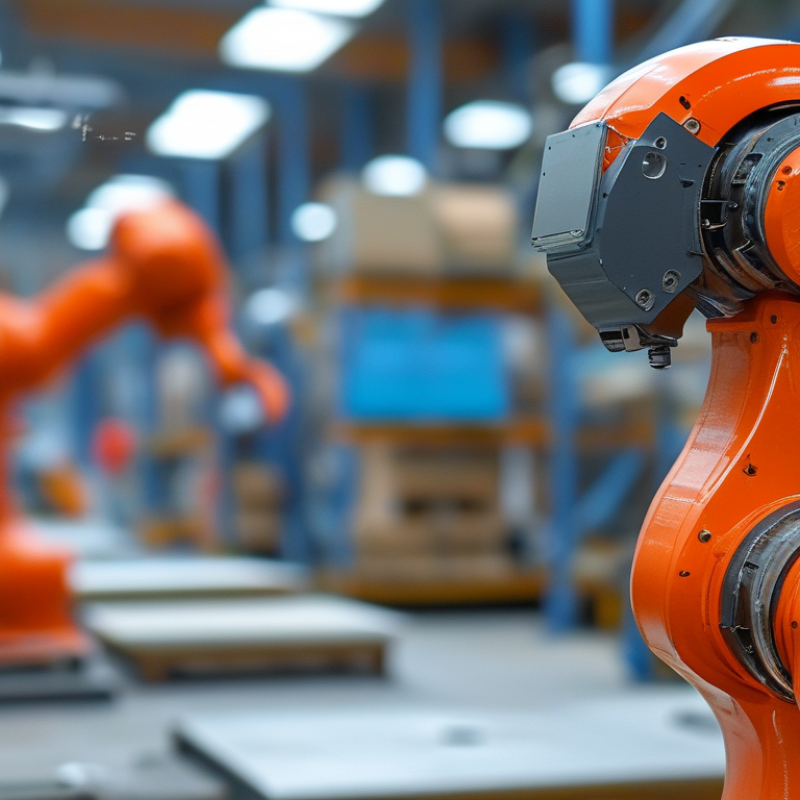
Rapid prototyping services are crucial in 2026, enhancing product development across various industries. These services allow designers and engineers to create physical models quickly. This rapid iteration fosters innovation. The importance of prototyping lies in validating ideas before full-scale production starts. It saves time, reduces costs, and minimizes risks. In 2026, we expect to see even more advanced technologies in this field.
3D printing and digital fabrication techniques are leading the way. These advancements allow for complex designs that were once challenging to produce. Companies benefit from the ability to test materials and functionality early in the design process. This flexibility in prototyping helps teams adapt and refine their products based on user feedback.
Tip: Embrace agile methodologies in your prototyping process. This can lead to faster iterations. Gather user feedback often to improve your designs.
Moreover, collaboration tools enhance communication among teams. Remote work is common, so these tools are vital for effective prototyping. However, teams must ensure that everyone is on the same page. Miscommunication can lead to delays or flawed designs.
Tip: Use clear documentation for your prototypes. Visual guides can clarify design intent and specifications. Aim for continuous improvement in your prototypes.
Emerging Technologies Influencing Rapid Prototyping Trends
The landscape of rapid prototyping is evolving swiftly. Emerging technologies like artificial intelligence, 3D printing, and Internet of Things (IoT) are shaping trends for 2026. A recent report by ResearchAndMarkets indicated that the rapid prototyping market is expected to grow at a CAGR of 14% between 2021 and 2026. As these technologies integrate, the advantages for product development become more significant.
AI is enhancing the design process. It allows for real-time adjustments based on user feedback and market trends. Furthermore, 3D printing is becoming more accessible. Materials are diversifying, leading to stronger and more lightweight prototypes. IoT solutions introduce connectivity in prototypes, enabling testing of functionalities in real-time. These advancements can significantly cut development time.
Tips: Embrace the learning curve. Experiment with new materials and technologies. Make room for iterative design. Each iteration should reflect user feedback. Don’t hesitate to fail; it’s part of the process. By 2026, firms not leveraging these technologies could struggle to keep pace, highlighting the need for adaptability in prototyping. Engage actively with industry trends, and don't shy away from asking for insights from experts.
Sustainability Considerations in Rapid Prototyping Services
The rise of sustainability in rapid prototyping services is undeniable. More companies are prioritizing eco-friendly materials. This shift helps reduce waste and carbon footprints. Many prototypes now utilize biodegradable filaments. This transition reflects an industry-wide commitment to the environment.
However, not every prototype material is perfect. Some sustainable options may underperform in terms of durability. Companies sometimes choose convenience over environmental impact. This dilemma prompts reflection on long-term goals versus short-term needs. Effective evaluation of materials and methods is essential for a sustainable future.
The demand for recycling in rapid prototyping is increasing. The challenge lies in effectively integrating recycled materials into new designs. At times, this can affect the quality and finish of a prototype. Balancing quality and sustainability requires careful planning and innovation. Embracing these changes can lead to a more responsible industry overall.
Customization and Personalization Trends in Prototyping
In the fast-evolving landscape of rapid prototyping, customization and personalization are becoming paramount. As businesses strive to meet diverse customer demands, tailored solutions are gaining traction. More companies are recognizing that one-size-fits-all doesn't apply anymore. The prototyping process must reflect unique user preferences and needs, leading to more meaningful products.
Advancements in technology have empowered designers to create personalized prototypes effortlessly. Digital fabrication techniques enable the rapid modification of designs. Now, a prototype can be adjusted based on individual feedback almost in real-time. This agility fosters collaboration between designers and clients, breaking traditional barriers. However, the challenge lies in balancing efficiency with quality. Rapid changes may compromise the final product if not closely monitored.
Customization isn't just a trend; it's a necessity. Customers today expect brands to deliver personalized experiences. However, this raises questions about scalability. How can companies manage numerous personalized requests without overwhelming their production lines? Prototyping services will need to innovate continually, finding ways to integrate personalization while maintaining workflow efficiency. Balancing these aspects will be crucial for success in 2026 and beyond.
Future Market Dynamics and Competitive Landscape in 2026
The rapid prototyping industry is evolving. In 2026, we will see remarkable changes in market dynamics. Companies are shifting towards more sustainable practices, focusing on eco-friendly materials and processes. As consumer preferences change, sustainability will be a key factor. The demand for transparency in sourcing will grow.
The competitive landscape is becoming more intense. Startups are emerging, pushing established companies to innovate. Collaboration will be crucial for success. Partnerships between tech firms and material scientists can enhance capabilities. Additionally, customization will be in high demand as clients seek unique solutions.
Customer experience will play a pivotal role. Speed and quality should not be compromised. Yet, companies must reflect on balancing these aspects. Investing in training can improve team skills but may come with initial costs. The future holds promise, but challenges will remain evident. The industry must navigate these complexities to thrive.