


Essential Tips for Efficient Material Handling Systems?

Efficient material handling systems are vital for modern warehouses and distribution centers. According to a report by the Material Handling Industry of America, about 70% of logistics costs are linked to material handling. A well-structured system reduces these costs significantly while enhancing productivity.

Industry expert Dr. Laura Smith, a prominent figure in supply chain management, states, “The efficiency of your material handling system directly impacts your overall operational performance.” This highlights the necessity for businesses to prioritize the design and functionality of these systems. Flawed systems can not only slow down processes but also lead to increased labor costs and reduced safety.

It is crucial to implement best practices and invest in technology when establishing such systems. Often, organizations overlook their unique needs, leading to inefficiencies. Regular evaluations and updates are necessary. Addressing these flaws can significantly improve workflow and material handling efficiency.
Essential Tips for Efficient Material Handling Systems?

Understanding the Basics of Material Handling Systems

Material handling systems play a crucial role in the efficiency of operations. They encompass various methods and equipment used for the movement, protection, storage, and control of materials. Understanding the basic principles can significantly enhance productivity.

Effective material handling starts with careful planning. Assess your workflow to identify bottlenecks. For instance, consider how materials are transported between different areas. Inadequate pathways can slow down operations. Also, remember that equipment should match the tasks. Choosing the wrong tools can lead to unnecessary delays.

Training is another essential part. Workers must understand how to operate equipment safely. A lack of training can result in accidents or damage to materials. Regularly reviewing processes can highlight areas for improvement. It creates a culture of efficiency. Small adjustments can lead to meaningful changes over time.


Key Components of Efficient Material Handling Systems

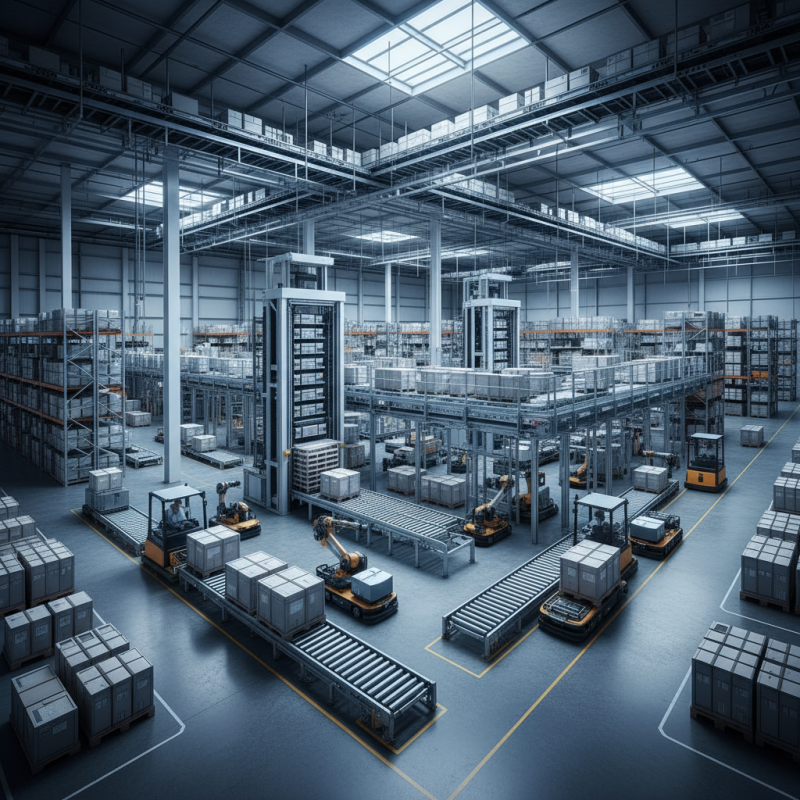
Efficient material handling systems are crucial in any warehouse or production facility. Key components play a significant role in enhancing workflow and reducing delays. These components include conveyors, automated storage systems, and lift trucks. Each element should function seamlessly with others. This interconnectedness fuels efficiency.

When selecting equipment, focus on the specific needs of your operations. Too often, companies buy the latest technology without a clear purpose. This can lead to underutilized machines or inadequate systems that don't meet demands. Evaluate your workflow and choose tools that truly fill gaps. Adaptability is key; systems should evolve with changing needs.

Staff training is equally important. Ensure that employees know how to use equipment properly. A simple mistake can cause workflow disruptions. Regular training sessions can refresh their knowledge and highlight best practices. Encourage feedback from your team; they offer valuable insights that can refine processes. Always be open to new ideas, as improvement is a continuous journey.

Essential Tips for Efficient Material Handling Systems - Key Components of Efficient Material Handling Systems

Component Description Efficiency Improvement Common Applications
Automated Storage and Retrieval Systems (AS/RS) Automated systems that store and retrieve materials with minimal human intervention. Reduces labor costs, increases speed. Warehousing, distribution centers.
Conveyor Systems Mechanized systems that transport materials from one location to another. Increases throughput, reduces manual handling. Manufacturing, assembly lines.
Forklifts and Pallet Jacks Vehicles designed for lifting and transporting heavy loads. Enhances mobility and load handling. Warehouses, loading docks.
Inventory Management Software Software solutions that track inventory levels and optimize stock. Improves accuracy, reduces inventory costs. Retail, warehouses, and manufacturing.
Ergonomic Workstations Designed to improve comfort and reduce physical strain during handling tasks. Enhances worker safety and efficiency. Assembly lines, picking areas.

Best Practices for Material Handling Workflow Optimization

Efficient material handling is crucial for any operation. Optimizing the workflow can reduce costs and improve productivity. Start by analyzing your current processes. Identify bottlenecks and inefficiencies in your system. These areas often hold back overall performance.

Create designated paths for workers and equipment. Clearly marked routes help reduce confusion. Ensure that all staff understands these pathways. Train them frequently to reinforce proper practices. Consistency in training can lead to fewer accidents and smoother operations.

Consider technology as a tool for streamlining tasks. Automated systems can handle repetitive jobs. This allows human workers to focus on more complex tasks. However, don't solely rely on technology. Regular assessments are necessary to identify areas for improvement in both human and mechanical workflows. Remember that balance is key. Adaptability can lead to a more efficient material handling system.

Implementing Technology for Enhanced Material Handling Efficiency

Implementing technology in material handling can significantly boost efficiency. Automation is one powerful tool. Automated guided vehicles (AGVs) can streamline the movement of goods. They reduce the need for manual labor, which often leads to errors and delays. Companies have noticed that integrating AGVs cuts down on transport time. However, some companies struggle with the initial costs. This may deter them from investing in such technology.

Another aspect is the use of real-time tracking systems. These systems offer visibility into inventory levels and product locations. They allow for quicker decision-making. Yet, not all employees adapt easily to new software. Training can be time-consuming and frustrating for staff. Adjusting to these changes requires patience and careful planning.

Incorporating robotics is becoming more common in warehouses. Robotics can handle repetitive tasks efficiently. This maximizes productivity but might lead to job concerns among workers. Balancing technology with human roles needs careful consideration. Embracing these advancements is important, but companies must reflect on their workforce's needs as well.

Material Handling Efficiency: Impact of Technology Integration

Safety Considerations in Material Handling Operations

Essential Tips for Efficient Material Handling Systems?

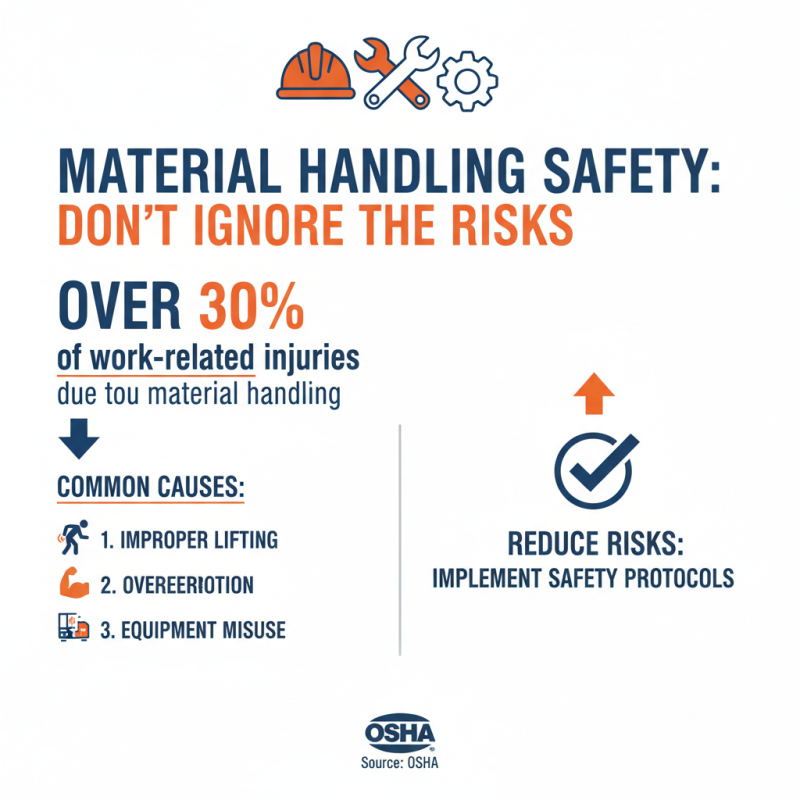
Material handling operations pose safety risks that should not be ignored. According to the Occupational Safety and Health Administration (OSHA), material handling injuries account for over 30% of work-related injuries in several industries. These injuries often arise from improper lifting techniques, overexertion, or equipment misuse. Ensuring that safety protocols are in place can dramatically reduce these statistics.

Consider implementing regular training sessions for employees. Equip them with proper lifting techniques to reduce strain and injuries. Simple practices, like using dollies or forklifts, can minimize risks. Invest in ergonomic tools that fit the user's body, preventing repetitive stress injuries. Awareness of surroundings is crucial. Employees must be trained to watch for overhead loads and moving equipment.

Regular equipment maintenance is vital. Faulty machinery can lead to accidents. Create a checklist for routine inspections. This encourages a safe work environment. Lastly, conduct safety audits frequently. They help identify areas that need attention. Safety should be a priority, but many overlook it until an incident occurs. Prioritizing safety in material handling is essential for a thriving workplace.