How to Choose the Right Industrial Conveyor Systems for Your Business
Choosing the right industrial conveyor systems can greatly impact productivity. According to James Taylor, an expert in material handling, “The right system can streamline operations and reduce costs.” His insights emphasize the importance of careful selection.
Industrial conveyor systems come in various types and configurations. Businesses must carefully consider their specific needs. Factors include load capacity, speed, and layout. A system that works for one company might not suit another. Assessment of these factors often reveals gaps and challenges.
Companies frequently overlook hidden costs or potential future needs. This oversight can lead to poor decisions. Understanding your production process is crucial. It is easy to be swayed by flashy technologies. However, practicality should remain a priority. Reflecting on the unique needs of your operation is vital. Ultimately, making an informed choice can enhance efficiency and drive success.
Understanding the Different Types of Industrial Conveyor Systems
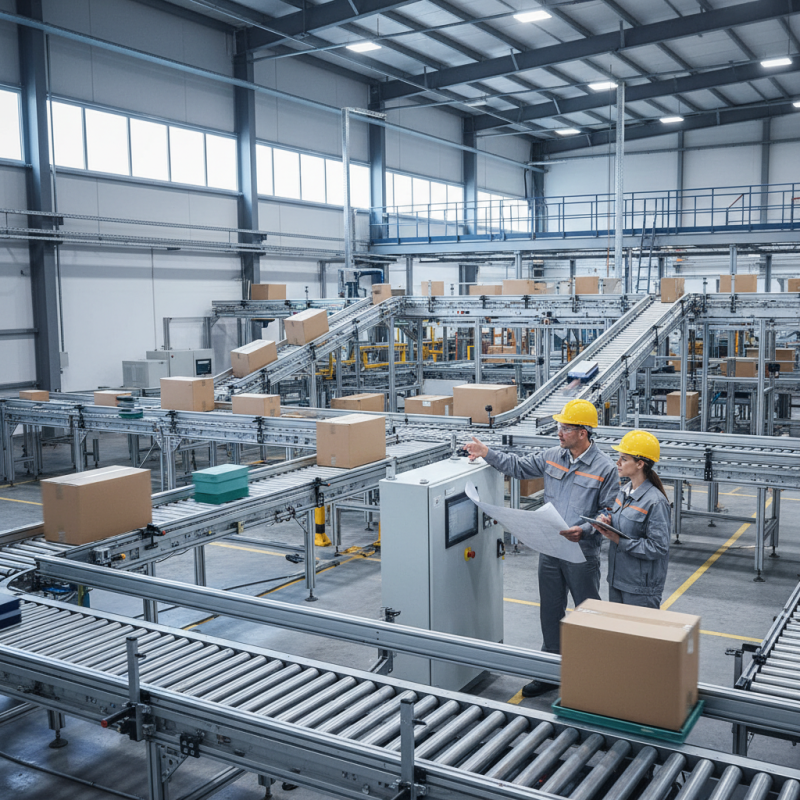
When choosing industrial conveyor systems, it's crucial to understand their various types. Common options include belt conveyors, roller conveyors, and overhead conveyors. Each system serves unique purposes, making it important to align them with your business needs. For instance, belt conveyors are often favored in manufacturing. They can move heavy loads efficiently across large distances.
According to a recent industry report, 40% of companies report delays due to ineffective conveyor systems. This highlights the significance of selecting the right type. Roller conveyors excel in distribution centers. They allow easy product movement and sorting, but they may not be ideal for fragile items. Overhead conveyors can save floor space; however, they require detailed planning for installation and maintenance.
Sometimes, businesses overlook the importance of scalability. A system must adapt as production grows. Flexibility in design can save costs down the line. The right conveyor system can increase productivity significantly. Yet, if chosen poorly, it might lead to workflow disruptions. The decision isn’t always clear-cut, prompting the need for thorough evaluation.
Assessing Your Business Needs and Workflow Requirements
Selecting the right industrial conveyor systems requires a clear understanding of your business needs and workflow. Take time to assess your production volume. This will help determine the system's capacity. Consider the types of materials you handle. Are they heavy, fragile, or hazardous? Each characteristic demands different conveyor designs.
Evaluate your existing workflow. Identify bottlenecks or inefficiencies in the process. Maybe products are not moving smoothly from one station to another. Or, the loading and unloading times are too long. These factors will influence the choice of system.
Remember, it's not just about buying the newest technology. It's about finding the best fit for your unique operations.
Don't forget to involve your team in this decision. They have firsthand experience with the challenges. Gather their input on potential solutions. Test different conveyor systems if possible. Observing their performance in real scenarios can provide valuable insights. Ultimately, the right system should improve efficiency and support your business goals. Making the wrong choice can lead to wasted resources and frustration.
Evaluating Conveyor System Features and Specifications
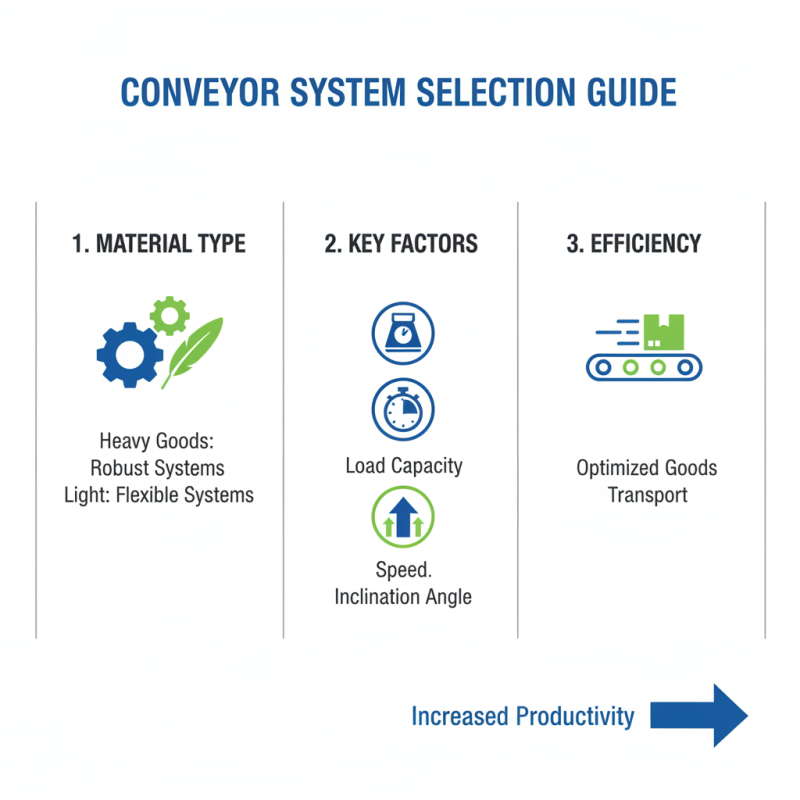
When evaluating conveyor system features, consider the type of materials you handle. Heavy materials need robust systems, while lighter materials require flexibility. Examine load capacity, speed, and the angle of inclination. These factors determine how efficiently you can transport goods.
Also, think about the space available. A system with a compact design may fit better in smaller settings. Integration with existing machinery is crucial too. Does the conveyor work with current workflows? Poor alignment can create bottlenecks.
Don't forget maintenance requirements. Some systems may need regular lubrication or part replacements. This could add costs and downtime. Consider automation options. They can reduce labor, but may also introduce complexity. Balancing these aspects is essential for an effective conveyor solution.
Considering Cost and Budget Limitations for Conveyor Systems
When selecting industrial conveyor systems, cost plays a crucial role. Businesses often face tight budgets, making it challenging to balance quality and expense.
Assessing total costs, not just initial prices, is vital. Look beyond the purchase price. Maintenance, energy consumption, and lifespan all affect long-term budget impacts.
It’s essential to evaluate your operational needs. For instance, are your products heavy or bulky? Will the conveyor operate continuously? These factors will influence your system type and cost. Some systems may require more upfront investment but save money over time. Reflect on your production speed. A slower conveyor might seem cheaper but could lead to productivity loss.
Balancing cost and performance can feel overwhelming. You might find cheaper options that meet your needs initially but incur higher long-term costs. Each choice comes with trade-offs. To make the best decision, involve your team in discussions. Their insights can prove invaluable in prioritizing your budgetary constraints. Consider everything carefully.
Choosing Between Custom Solutions and Standard Conveyor Options
When considering conveyor systems for your business, one key choice is between custom solutions and standard options. Custom solutions can be tailored to meet specific needs. They offer flexibility in design and integration. For example, if your operation involves unique product sizes, custom conveyors can be crafted to handle those efficiently. However, this adaptability often comes at a higher cost and longer lead times.
On the other hand, standard conveyor systems are readily available. They can be implemented quickly and are often more affordable. This option is good for businesses with similar operations. Yet, standard solutions may not always fit perfectly. Adjustments might be necessary, and inefficiencies can arise. Relying solely on standard options can lead to missed opportunities for optimization. It’s crucial to weigh these pros and cons carefully before making a decision. Each choice has its merits, but the best fit varies with each business's operational needs.
How to Choose the Right Industrial Conveyor Systems for Your Business - Choosing Between Custom Solutions and Standard Conveyor Options
| Dimension |
Custom Solutions |
Standard Options |
| Flexibility |
High - tailored to specific processes |
Moderate - fixed setup |
| Lead Time |
Longer - requires design and manufacturing |
Shorter - readily available |
| Cost |
Higher - custom engineering costs |
Lower - mass production savings |
| Scalability |
Customizable as needs evolve |
Limited - must fit standard units |
| Maintenance |
Can vary based on complexity |
Generally simpler and easier |
| Compatibility |
Designed to integrate with existing systems |
May require modifications |