Best Roller Conveyor System for Efficient Material Handling?
The roller conveyor system is a vital component in modern material handling processes. According to recent reports by the Material Handling Industry (MHI), over 60% of companies have upgraded their systems to improve efficiency. Efficient logistics directly impacts productivity and cost savings. For instance, a well-designed roller conveyor can enhance throughput by 25% in high-demand environments.
Industries like warehousing and manufacturing rely heavily on these systems. They facilitate the movement of goods with minimal manual intervention. However, not all systems are created equal. Companies often encounter challenges, such as maintenance issues or spatial limitations. Addressing these problems requires specialized knowledge.
Choosing the right roller conveyor system can significantly enhance operational efficiency. Companies need to consider specific requirements—like load capacity and speed. This makes the decision process complex. Yet, investing in a high-quality system pays off in the long run. As the industry continues to evolve, adapting to new technologies is essential for staying competitive.
Understanding Roller Conveyor Systems: Key Components and Functionality
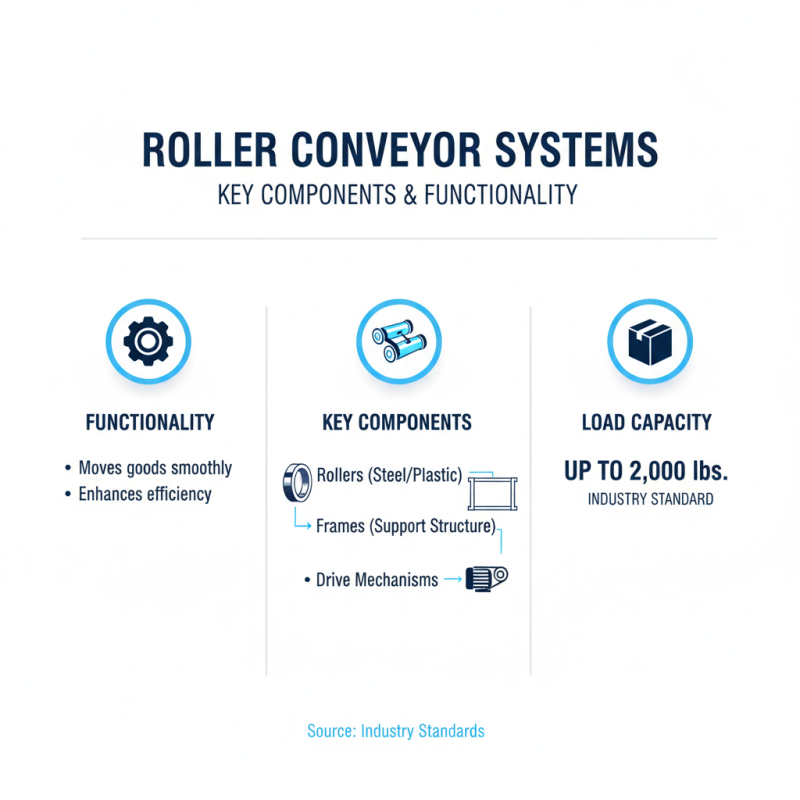
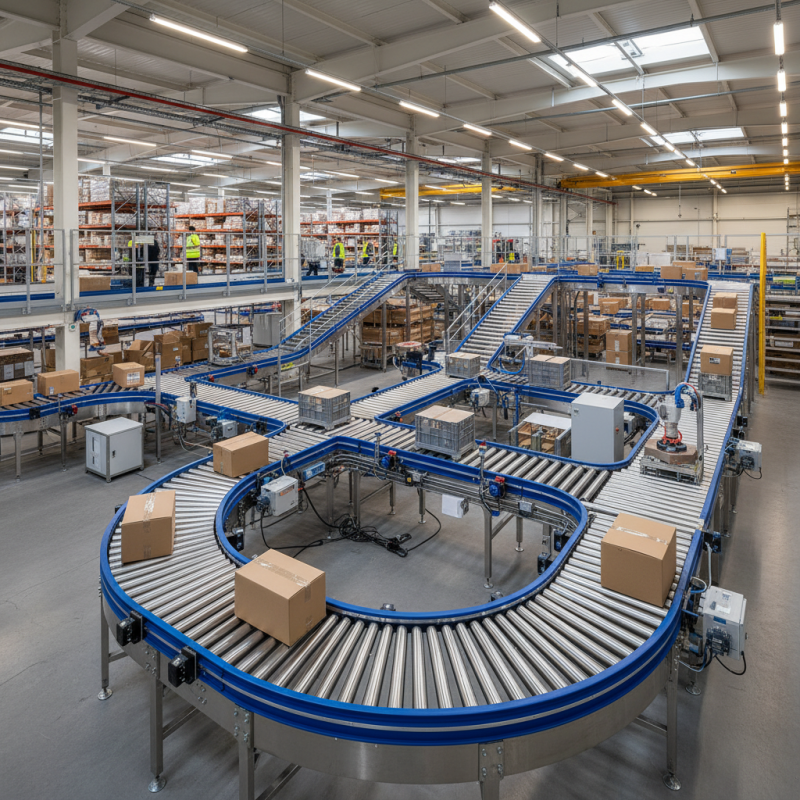
Roller conveyor systems are vital in today’s material handling landscape. These systems enhance efficiency by moving goods smoothly through various stages of production. Key components include rollers, frames, and drive mechanisms. Rollers are typically made of steel or plastic, supporting the weight and distribution of items. A good roller conveyor can handle loads up to 2,000 pounds, according to industry standards.
Incorporating high-quality components leads to longevity and reliability in operations. The performance of a roller conveyor often depends on proper installation and maintenance. Regular inspections can prevent unexpected downtimes. Poorly maintained systems can lead to inefficiencies, such as increased wear and tear on belts or uneven product flow.
Data shows that automation in material handling can improve operational efficiency by 30% or more. However, many organizations overlook the importance of optimizing their conveyor systems. As automation grows, the choice of the right roller conveyor must align with the specific needs of the facility. This means considering loads, speeds, and product types for successful integration. A miscalculation here can lead to logistical setbacks, highlighting the need for thoughtful planning.
Types of Roller Conveyor Systems: Choosing the Right One for Your Needs
When selecting a roller conveyor system, understanding the types available helps tremendously.
Gravity roller conveyors
are simple and effective. They rely on gravity to move items, making them cost-efficient. Commonly used in warehouses, they can handle a variety of products.
However, they may struggle with heavier or larger items.
Powered roller conveyors provide a more controlled movement for heavy materials.
These systems use motors to drive individual rollers. This allows for precise speed adjustments.
However, installation can be complicated, and they may require more maintenance. Choosing the right system means assessing the specific needs of your operations.
Consider your product size and weight when deciding. The layout of your workspace also matters.
A system that fits well with existing equipment is crucial for efficiency. Some operations may need modular designs for flexibility.
In this way, businesses can adapt to future changes in demand or product mix. Each option has its pros and cons,
making informed choices essential. A thorough analysis reveals the best fit for your situation without rushing into any decisions.
Efficiency Metrics: How Roller Conveyors Impact Material Handling Speed
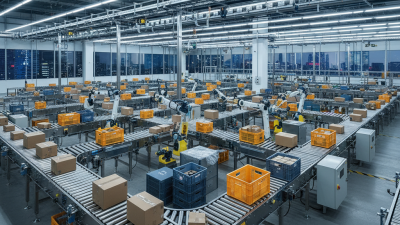
Roller conveyor systems play a crucial role in modern material handling. They enhance productivity by facilitating smooth movement of goods across various operational setups. An efficient roller conveyor can significantly reduce manual handling, allowing for faster throughput. By utilizing gravity or powered rollers, these systems enable continuous flow, which is essential in warehouses and distribution centers.
Measuring efficiency in material handling reflects on speed and accuracy. Higher efficiency means quicker loading and unloading operations. When goods are transported swiftly, delays minimize, leading to improved overall workflow. However, not all roller conveyor setups perform equally. Factors such as roller diameter, spacing, and motor power must be evaluated. A poorly designed system may lead to jams or slowdowns, causing frustration. Regular assessments and adjustments can mitigate these issues.
Investing in a robust roller conveyor system pays off by enhancing operational speed. However, it’s crucial to customize the system based on specific needs. Observing real-time performance can reveal areas needing improvement. Adjustments based on actual use can yield greater efficiency. Ignoring these aspects may hinder productivity gains. Therefore, a proactive approach is vital for ongoing success in material handling environments.
Case Studies: Industry Applications of Roller Conveyor Systems and Results
Roller conveyor systems have proven effective across various industries. In a manufacturing plant, one company implemented a roller conveyor to streamline their assembly line. The result? Reduced downtime and increased efficiency. Workers could load and unload materials quickly, improving overall productivity. This case illustrates how such systems directly impact operational flow.
Another example comes from the e-commerce sector. A major fulfillment center adopted roller conveyors to handle package sorting. The speed of these systems allowed for rapid order processing. However, some issues arose with maintenance. Periodic jams required teams to intervene, disrupting operations. Despite this, the benefits outweighed the challenges, showcasing the importance of regular upkeep.
In a warehouse setting, a company faced challenges with manual handling of heavy items. Introducing a roller conveyor reduced physical strain on employees. Tasks became more efficient, but not all items moved seamlessly. Some products would stick or require manual adjustment. This highlights the need for careful selection of materials and ongoing evaluation of the system's performance. Each case reinforces that while roller conveyors enhance efficiency, they also require thoughtful implementation and monitoring.
Future Trends: Innovations in Roller Conveyor Technology for Enhanced Efficiency
The roller conveyor system has seen significant innovations that enhance efficiency. Advanced materials are now being used to reduce friction, which improves speed. A report by the Material Handling Industry (MHI) indicates that companies adopting modern roller conveyors have seen efficiency gains of up to 30%. This is critical as industries seek to optimize their operations.
Automation is a key trend shaping roller conveyor technology. Smart sensors integrated into the systems can monitor and adjust speeds in real-time. This ensures that materials flow seamlessly with minimal downtime. According to a recent logistics study, automated systems can cut operational costs by as much as 25%. However, the initial investment can be daunting, and some organizations struggle to justify the upfront capital.
Sustainability is also becoming crucial. Manufacturers are exploring eco-friendly materials for rollers and frames. These alternatives often reduce the carbon footprint. Yet, transitioning to these sustainable options can clash with existing infrastructure, posing challenges for updates. The focus on innovation must balance efficiency with environmental responsibility as industries adapt to new technologies.