Discover the Best Automated Packaging Solutions in China
In today's fast-paced industrial landscape, businesses are constantly looking for efficiency and speed. Automated packaging solutions have emerged as a key player in this transformation. China, known for its manufacturing prowess, offers a diverse range of these innovative solutions. From small-scale enterprises to global corporations, many are leveraging automation to enhance productivity.
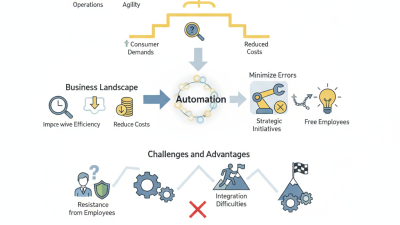
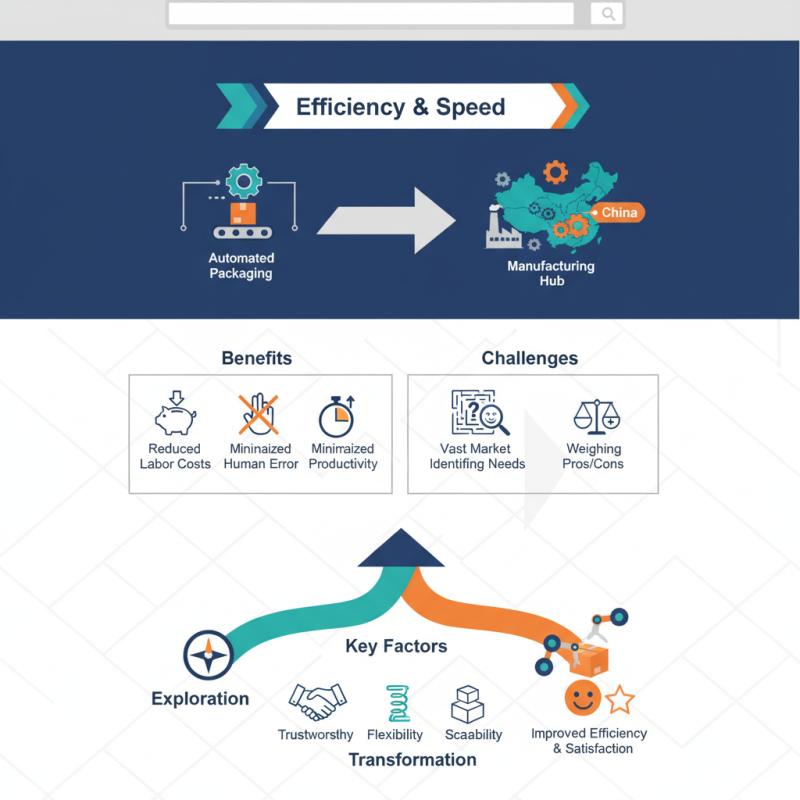
These technologies not only reduce labor costs but also minimize human error. However, finding the right automated packaging solutions can be challenging. The market is vast and filled with options. Some companies may struggle to identify which solutions best meet their needs. It’s critical to weigh benefits against potential drawbacks. Not every solution is perfect for every situation.
As you explore the Chinese market for automated packaging solutions, consider the experience and expertise of providers. Trustworthy manufacturers can make a significant difference. Look for options that offer flexibility and scalability. Achieving the right balance can transform your packaging process, leading to improved efficiency and customer satisfaction. The journey to finding the best solutions may require reflection and adaptation along the way.
Trends in Automated Packaging Solutions in China's Industry Landscape
The automated packaging solutions sector in China is experiencing significant transformation. According to a report from McKinsey, the market for automated packaging is expected to grow by over 10% annually. This shift is driven by advancements in technology and the push for efficiency across various industries. Many companies are adopting robotics and AI to streamline their operations, resulting in faster production rates and reduced labor costs.
Recent trends indicate a growing reliance on smart packaging technologies. These innovations enhance product security and improve supply chain transparency. For example, the integration of IoT (Internet of Things) in packaging allows real-time tracking of products, providing valuable data to manufacturers and retailers alike. However, challenges remain. Not every company is prepared to invest in sophisticated systems. Many smaller businesses struggle with the initial costs and the need for skilled personnel.
Additionally, sustainability is becoming a crucial focal point. A report from the World Economic Forum found that consumers increasingly prefer eco-friendly packaging solutions. This shift is forcing companies to innovate continually, yet, many still rely on outdated methods. As the industry evolves, balancing technological advancements with sustainable practices will be vital for future success.
Market Size and Growth Rate of China's Automated Packaging Solutions Sector
The automated packaging solutions sector in China is witnessing significant growth. With the rapid expansion of e-commerce, the demand for efficient packaging has surged. Companies are investing heavily in automation to streamline their processes. This shift not only improves speed but also enhances accuracy. Efficiency leads to reduced operational costs, an attractive prospect for many businesses.
Market size estimates indicate steady growth, with projections suggesting a compound annual growth rate (CAGR) nearing double digits. This trend reflects increasing awareness of sustainability. Many companies aim to reduce waste and improve their environmental footprint. Advanced technologies, such as robotics and artificial intelligence, are driving innovation. However, the transition to automation can be challenging. Organizations often face obstacles like high initial costs and the need for skilled workers.
Despite these challenges, the long-term prospects remain appealing. Companies are exploring smart packaging options to meet consumer demands. This sector's evolution is marked by continuous improvement and adaptation. It's a dynamic landscape that requires a careful approach and strategic planning. Industry leaders recognize the importance of balancing innovation with practicality. As the market evolves, finding the right solutions will be crucial for success.
Discover the Best Automated Packaging Solutions in China - Market Size and Growth Rate of China's Automated Packaging Solutions Sector
| Year |
Market Size (Billion USD) |
Growth Rate (%) |
Key Drivers |
| 2020 |
5.7 |
7.5 |
E-commerce growth, Labor costs |
| 2021 |
6.2 |
8.8 |
Automation technology adoption |
| 2022 |
7.1 |
9.6 |
Sustainability trends |
| 2023 |
8.0 |
10.2 |
Consumer demand for faster delivery |
| 2024 (Projected) |
9.0 |
12.5 |
Technological innovations |
Key Players and Innovators in China's Packaging Automation Market
China's packaging automation market is rapidly evolving. Leading companies are pushing boundaries with innovative solutions. They focus on enhancing efficiency and reducing costs. The landscape is filled with various players, each offering unique capabilities. Automatic packaging machinery is becoming essential across industries.
Key innovators in this sector are integrating advanced technologies. Robots are now common in factories, streamlining processes and increasing output. Artificial intelligence is also playing a crucial role. It enables better decision-making and improves production quality. However, the pace of innovation presents challenges. Some companies struggle to keep up with the latest trends.
The competition in China's packaging automation market is fierce. Many firms invest heavily in research and development. They aim to create smarter, more efficient systems. Yet, not all innovations succeed in meeting market demands. Companies must remain flexible and responsive to changes. Engaging with customer feedback is vital for improvement. Balancing efficiency and quality will shape the future of packaging automation in China.
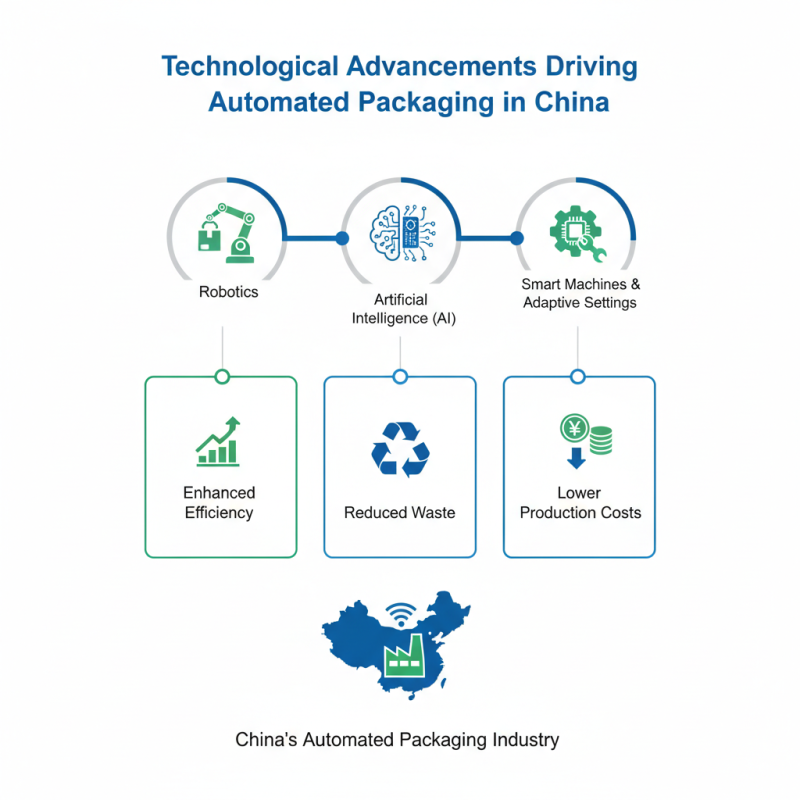
Technological Advancements Driving Automated Packaging in China
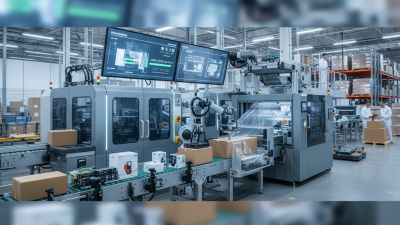
China's automated packaging industry is evolving rapidly, driven by significant technological advancements. Robotics and artificial intelligence play essential roles in this transformation. Factories now use smart machines that can adjust settings on the fly. These adaptations enhance efficiency, reduce waste, and lower production costs.
Moreover, integrating Internet of Things (IoT) technology is a game changer. Sensors monitor machinery in real-time, allowing for predictive maintenance. These innovations also improve product tracking throughout the supply chain. However, while these technologies boost productivity, they may lead to job displacement and require skilled workers for operation.
The learning curve can be steep. Companies investing in automation might face initial setbacks. They need to ensure seamless integration alongside existing systems. Additionally, cybersecurity concerns arise with increasing connectivity. Balancing innovation with these challenges remains critical for sustained growth in this sector.
Case Studies: Successful Implementations of Automated Packaging Systems in China
In recent years, China has witnessed a significant surge in the adoption of automated packaging solutions across various industries. One notable case involved a food and beverage company that streamlined its packaging process. By implementing an automated system, this company reduced packaging time by 30%. Workers reported feeling less overwhelmed during peak production times. Automation allowed them to focus on quality control, which improved overall product quality.
In the pharmaceutical sector, case studies reveal similar successes. A leading manufacturer integrated automated packaging technology to enhance efficiency. This transition reduced errors significantly. However, the complexity of setup required extensive staff training. The initial challenges highlighted the importance of ongoing support and adaptation to new systems. Companies learned that continuous feedback from employees is vital for long-term success.
These examples depict the transformative impact automated packaging systems can have. Yet, they also show the need for careful planning and execution. Organizations must assess their unique needs and prepare their workforce for these changes. Understanding both the benefits and potential pitfalls is crucial for successful implementation.