Top 10 Benefits of Machine Vision Inspection for Quality Control?
In today's manufacturing landscape, quality control is paramount. One industry expert, Dr. Emily Zhang, highlights the significance of this technology: "Machine Vision Inspection is not just a tool; it's a game changer." Companies are increasingly adopting machine vision systems to enhance product quality and efficiency.
Machine Vision Inspection utilizes advanced cameras and software to detect defects. This technology watches over production lines, catching errors that the human eye may miss. Yet, the journey isn't flawless. Some organizations struggle with integrating these systems into their existing processes. The initial setup can be complex, requiring training and adjustments.
Despite these challenges, the benefits are compelling. Machine Vision Inspection dramatically reduces error rates and improves consistency. It provides real-time data, allowing swift corrective actions. Companies that embrace this innovation often see a noticeable boost in their overall product quality. As Dr. Zhang notes, success in this field requires adaptation and continuous learning. The right approach can lead to outstanding results.
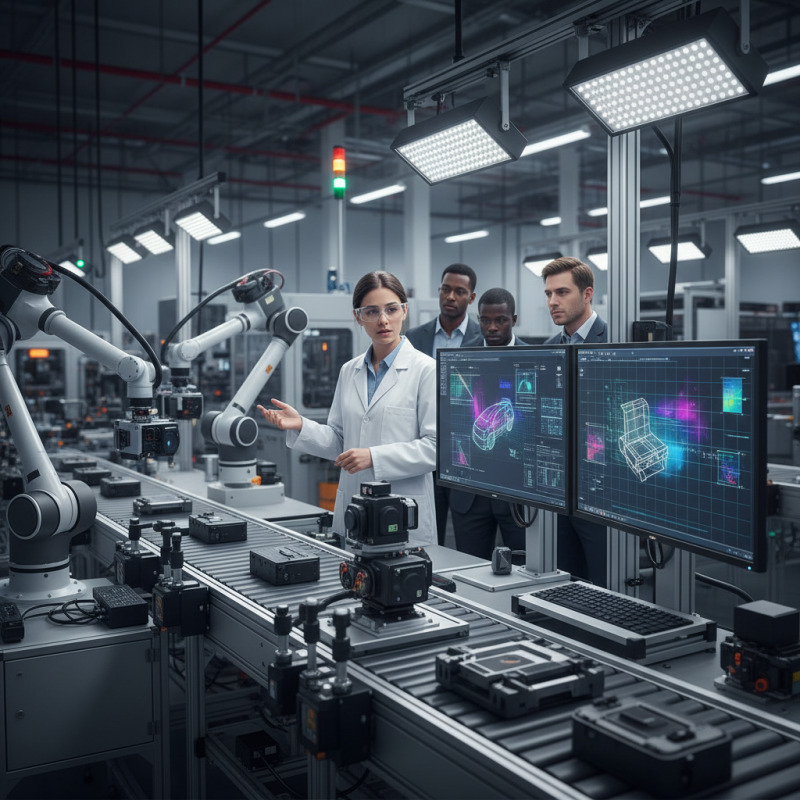
Benefits of Machine Vision Inspection in Modern Manufacturing Processes
Machine vision inspection plays a vital role in modern manufacturing processes. It enhances quality control by ensuring consistent product standards. According to a report by MarketsandMarkets, the machine vision market is projected to reach $12 billion by 2024. This growth reflects the increasing adoption of automation in production lines.
Manufacturers benefit from reduced defects and improved accuracy. A study found that machine vision systems can decrease inspection time by up to 90%. This efficiency allows for more products to be inspected in a shorter timeframe. However, the technology can sometimes misidentify items, leading to errors. Implementing a robust training protocol is essential to minimize these oversights.
Moreover, machine vision inspection systems can provide real-time feedback. This aspect is critical for quick decision-making during production. However, integration with existing systems can be challenging. Some manufacturers struggle with data overload and system compatibility. Addressing these challenges is crucial for maximizing the benefits of machine vision in manufacturing.
Enhanced Accuracy and Precision in Quality Assessment
Machine vision inspection has transformed the way industries approach quality control. Enhanced accuracy and precision in quality assessment are now more critical than ever. With machine vision systems, an array of cameras and sensors analyze products in real time. These systems can detect even the smallest defects, ensuring that only the highest quality items reach customers.
Tip: Invest in proper training for staff. Understanding how to interpret data from machine vision systems can significantly enhance the overall quality assessment process. Sometimes, human oversight is necessary to communicate nuances that machines might miss.
Defects in manufacturing often go unnoticed. Relying solely on manual inspections can lead to inconsistencies. Machine vision reduces these risks by offering standardized evaluations. This consistency helps maintain product quality over time. However, it is important to remember that technology is not infallible. Regular calibration and maintenance of these systems are crucial.
Tip: Incorporate routine checks and feedback loops. Engage your team to discuss any discrepancies found during inspections. This reflection can lead to improvements in both technology and process. A collaborative approach ensures that machine vision systems augment human skills rather than replace them.
Reduction of Human Error Through Automation and Consistency
Machine vision inspection is revolutionizing quality control by drastically reducing human error. This technology automates the inspection process, making it consistent and reliable. In environments where precision matters, human oversight can lead to mistakes. Automated systems do not suffer from fatigue or distraction, ensuring that every product is checked with the same level of scrutiny.
However, automation is not without its challenges. While machines can perform tasks with unmatched consistency, they may still misinterpret certain defects. Lighting conditions or variations in product surfaces can confuse cameras. This highlights a need for continuous improvement and adaptation in machine vision systems. Regular updates and training are essential to maintain accuracy.
Moreover, even with automation, human oversight remains necessary. There will always be rare instances where a machine might miss a defect. A balance between technology and human insight is vital. The goal is to harness the strengths of both to enhance overall quality control. Embracing this approach can lead to more efficient processes and improved outcomes.
Top 10 Benefits of Machine Vision Inspection for Quality Control
Increased Production Speed and Efficiency with Real-Time Inspections
Machine vision inspection is transforming quality control. Real-time inspections help manufacturers increase production speed significantly. A recent study highlighted that companies using machine vision systems experience up to a 30% increase in efficiency. This technology can detect defects on the assembly line instantly. Delays caused by traditional inspection methods are minimized dramatically.
For instance, in the automotive sector, machine vision can inspect up to 3,000 parts per minute. Human inspectors simply cannot match this speed. However, challenges remain. Some systems require precise lighting conditions, affecting performance in varying environments. Additionally, while machine vision is highly effective, it may miss subtle defects a human eye could catch. A balance between technology and human oversight remains crucial for optimal results.
Investing in machine vision involves initial costs. Yet, the return on investment can be rapid. Data shows that companies can recoup their spending within 18-24 months through reduced waste. As the industry evolves, keeping abreast of technology is essential. Companies need to continuously assess their machine vision capabilities to avoid stagnation.
Cost Savings Through Early Detection of Product Defects and Waste
Machine vision inspection systems offer significant cost savings by identifying product defects early. These systems detect inconsistencies that human eyes might miss. The earlier a defect is found, the less waste occurs. This not only saves materials but also reduces labor costs associated with rework. Imagine a scenario where a small issue is caught right away. The impact on production efficiency can be immense.
When implementing machine vision, consider a few tips. Start with a thorough analysis of your production processes. Identify key points where defects are most likely to occur. Customizing your inspection system to these areas can lead to huge savings. Regular review of inspection data can reveal patterns over time. This reflection helps refine processes and improve overall quality.
Investing in training for staff is also crucial. People need to understand how to interpret the data generated by these systems. A trained eye can spot anomalies that algorithms might overlook. Remember that human judgment complements machine efficiency. It's essential to continuously evaluate both aspects for optimal results. By doing so, you create a culture of quality that permeates the entire organization.
Top 10 Benefits of Machine Vision Inspection for Quality Control
| Benefit | Description | Estimated Cost Savings (%) |
| Early Defect Detection | Identifying defects in the production line before products are shipped. | 30% |
| Reduced Waste | Minimizing material waste by catching errors early in the process. | 25% |
| Increased Throughput | Enhancing production speed by automating inspection processes. | 20% |
| Improved Consistency | Ensuring uniformity in product quality across batches. | 15% |
| Labor Cost Savings | Reducing the need for manual inspections, lowering labor costs. | 10% |
| Enhanced Data Collection | Gathering detailed data for better decision-making. | 5% |
| Faster Response Times | Quick identification of issues allows for faster corrections. | 10% |
| Quality Assurance | Providing a final check to maintain high quality standards. | 20% |
| Customer Satisfaction | Delivering defect-free products leads to higher customer satisfaction. | 10% |
| Regulatory Compliance | Meeting industry standards and regulations through automated checks. | 5% |
Conclusion
Machine Vision Inspection has become an integral part of modern manufacturing processes, offering numerous benefits that enhance quality control. One of the primary advantages is its enhanced accuracy and precision in quality assessments, which significantly reduces human error by automating inspections. This automation not only ensures consistency but also increases production speed and efficiency through real-time evaluations of products.
Additionally, Machine Vision Inspection contributes to cost savings by facilitating the early detection of product defects and minimizing waste. This proactive approach leads to better compliance and improved traceability for quality standards, ultimately fostering a higher level of trust among consumers and stakeholders. Embracing this technology is essential for manufacturers aiming to elevate their quality control measures and remain competitive in the market.