2026 How to Become an Expert in Automation Engineering?
Automation engineering is a rapidly evolving field. As industries increasingly rely on automated systems, the demand for skilled professionals grows. To thrive in this competitive landscape, aspiring automation engineers must acquire diverse knowledge and hands-on experience.
In 2026, becoming an expert in automation engineering requires dedication and continual learning. Understanding the core principles of automation is vital. Hands-on experiences, such as internships or projects, significantly enhance practical skills. Building a strong foundation in programming and control systems is equally important.
Engaging with industry communities is crucial for knowledge sharing. Networking provides insights into the latest trends and technologies. While the journey may seem daunting, reflecting on failures can lead to meaningful growth. Each setback in automation engineering offers invaluable lessons and fosters resilience. The path to expertise is challenging, yet rewarding.

What is Automation Engineering and Its Importance in Industry?
Automation engineering is a key driver in today’s industries. It focuses on automating processes to enhance efficiency and productivity. As industries strive for competitiveness, automation plays a crucial role. It reduces human error and lowers operational costs significantly.
The importance of automation engineering cannot be overstated. It optimizes workflows and increases precision in production. Many companies benefit from streamlined processes. However, implementing automation is not without challenges. Identifying suitable areas for automation requires expertise. Engineers must analyze workflows thoroughly to ensure a successful transition.
In an ever-evolving industry landscape, automation engineering skills are essential. Engineers must stay updated with the latest technologies. This includes understanding both hardware and software components. Continuous learning and adapting to new tools and techniques are critical for success. Embracing this reality can lead to meaningful advancements but might also present complexity.
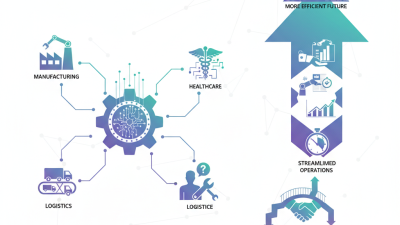
Importance of Automation Engineering in Various Industries
Essential Skills Required for Automation Engineering Professionals
Automation engineering is a rapidly evolving field. To excel, professionals must embrace a diverse skill set. Understanding programming languages is fundamental. Proficiency in Python, Java, or C++ allows engineers to develop scripts for automation tasks. Alongside programming, knowledge of robotics and control systems is crucial. Familiarity with sensors and actuators enhances system efficiency.
Analytical skills are equally vital. Engineers must analyze processes and identify areas for automation. Problem-solving becomes essential when challenges arise. Attention to detail ensures that automation systems run smoothly. Collaboration skills facilitate teamwork, especially on large projects. Effective communication helps in clearly conveying complex ideas.
Continuous learning is a requirement. The field of automation is never static. New tools and technologies emerge frequently. Engineers should seek certifications and attend workshops. Experience plays a key role. Hands-on practice is necessary to apply theoretical knowledge effectively. Mistakes are often part of the learning journey. Reflecting on these experiences contributes to growth. Being adaptable in a fast-paced environment is invaluable for becoming an expert in automation engineering.
Educational Pathways: Degrees and Certifications in Automation Engineering
To become proficient in automation engineering, one must consider various educational pathways. Degrees in engineering or technology lay a solid foundation. Many universities offer specialized programs in automation. These typically cover control systems, robotics, and software development. Practical experience complements academic learning. Internships can provide valuable exposure to real-world challenges.
Certifications also play a critical role. They showcase expertise and commitment in a specific area. Industry-recognized certifications can enhance job prospects. Some programs focus on programming languages used in automation, while others emphasize system integration skills. Choosing the right certification can be daunting. The vast options create uncertainty about which is the best fit.
Engaging in continuous learning is essential in this evolving field. Online courses and workshops can help update skills. Networking with professionals provides insights into industry trends. Many find themselves overwhelmed by the fast-paced changes. Adapting to new technologies requires persistence and a willingness to explore. Refining skills through practice can lead to confidence. Building expertise takes time and effort, often filled with trial and error.
2026 How to Become an Expert in Automation Engineering? - Educational Pathways: Degrees and Certifications in Automation Engineering
| Degree/Certification |
Type |
Duration |
Institution Type |
Relevance |
| Bachelor's Degree in Automation Engineering |
Degree |
4 years |
University |
High |
| Master's Degree in Automation Engineering |
Degree |
2 years |
University |
Very High |
| Automation Engineering Certificate |
Certification |
6 months |
Technical Institute |
Moderate |
| Certified Automation Professional (CAP) |
Certification |
Varies |
Professional Organization |
High |
| PhD in Automation Engineering |
Degree |
3-5 years |
University |
Very High |
Gaining Practical Experience: Internships and Projects in Automation
Practical experience is crucial for becoming an expert in automation engineering. Internships and hands-on projects provide invaluable insights into real-world applications. According to a study by the Automation Federation, 80% of employers prefer candidates with practical experience. This highlights the importance of seeking opportunities that allow you to apply theoretical knowledge. Many universities have partnerships with tech companies, offering students a chance to work on live projects.
Engaging in internships enables you to develop technical skills and gain industry insights. Often, students are exposed to automation systems, programming languages, and control systems during these programs. It's important to take on diverse projects, even if they might seem daunting at first. A survey from the International Society of Automation indicates that diverse project exposure increases job readiness by 30%. Engaging deeply with each project helps in understanding automation's complex challenges.
Pursuing relevant certifications can also enhance your knowledge. They can complement your internship experience. Continuous learning in this rapidly evolving field is essential. Industry reports suggest that automation roles are expected to grow by 25% over the next five years. This is a great opportunity to reflect on your current skills and identify areas for growth. Embrace challenges; they often lead to the greatest learning moments in your career.
Staying Updated: Industry Trends and Continuous Learning in Automation Engineering
Continuous learning is essential for anyone aiming to become an expert in automation engineering. The field evolves rapidly through advancements in technology and methodologies. Automation engineers must stay informed about new tools, software, and processes. Attend workshops and webinars regularly to gain insights from industry leaders. Engaging in online courses can also deepen your understanding of emerging concepts.
Networking plays a crucial role. Join automation communities and forums to discuss trends and challenges. Learning from peers offers practical knowledge and can spark innovative ideas. Don't hesitate to share your experiences as well. This exchange of information can lead to collaborative problem-solving.
Moreover, it's easy to become complacent with what you already know. Acknowledge gaps in your skills and seek ways to address them. Set realistic goals for continuous improvement. Embrace feedback, both positive and negative, as a valuable tool. This mindset fosters growth and adaptability, which are vital in a rapidly changing industry.