


Choosing the right conveyor systems can shape warehouse speed, product safety, and long-term operating costs. For global buyers, the decision involves more than comparing prices or belt widths. Load weight, product shape, floor space, energy use, maintenance access, and local support all deserve careful attention. A system that performs well in a European distribution center may struggle in a humid coastal warehouse. Conditions matter.
This guide examines seven practical conveyor systems used across manufacturing, fulfillment, food processing, and logistics. Each option has distinct strengths. Belt conveyors handle cartons smoothly, while roller conveyors suit rigid packages and flexible layouts. Slat, chain, screw, overhead, and modular systems serve different material-handling needs. Real-world selection depends on throughput, operating temperature, cleaning routines, and future expansion. Small details matter, such as motor placement, guard design, sensor quality, and the time required to replace a worn belt.
Reliable purchasing also requires evidence. Buyers should review technical drawings, load tests, warranty terms, spare-parts availability, and installation records. Supplier experience is valuable, but documented performance is stronger. Ask for references from facilities with similar products and working conditions. Do not trust impressive specifications alone. Some published capacity figures assume ideal alignment, steady loading, and perfect maintenance. Actual performance can vary.
The best choice is rarely universal. It must fit the operation. This comparison highlights practical advantages, limitations, and purchasing questions for international buyers. It also recognizes an uncomfortable truth: the cheapest conveyor may become the most expensive after repeated downtime. Careful evaluation reduces that risk, although no guide can replace an on-site assessment by qualified professionals.
Conveyor System Fundamentals: How Global Buyers Compare Equipment
The seven best conveyor systems depend on the material, route, and operating conditions. Belt conveyors suit cartons and mixed loads. Roller conveyors support pallets and rigid packages. Chain, screw, overhead, pneumatic, and vibrating systems serve more specialized duties. Buyers should compare usable throughput, not catalogue speed. A line rated at 60 metres per minute may move less after spacing, transfers, and stops.
Start with the load. Record dimensions, weight, temperature, dust, moisture, and surface friction. Then check elevation, bends, accumulation, and cleaning access. MHI’s 2024 Annual Industry Report found that 55% of supply-chain leaders planned to increase technology investment. That pressure makes controls important, but sensors cannot repair poor mechanical layout. Ask for actual test data using your product. Not only simulations.
Global purchasing also requires a landed-cost view. Include spare parts, technician access, energy use, guarding, training, and import-related service delays. The U.S. Energy Information Administration reports that industrial motors account for a major share of manufacturing electricity use, so motor efficiency deserves measurement. CEMA engineering guidance also emphasizes selecting belt capacity, tension, and safety features from operating conditions. A low purchase price can become expensive through frequent belt tracking problems. A perfect comparison is impossible. Product behavior changes seasonally, and maintenance estimates are often optimistic. Use a pilot section, inspect noise and vibration, and require documented acceptance criteria before approving the full system.
Belt and modular belt conveyors remain practical choices for continuous product movement. They carry cartons, bags, trays, and packaged goods through long production lines. Flat belt conveyors suit stable loads and steady speeds. Cleated belts handle inclines. Modular belts tolerate moisture, frequent cleaning, and product transfers.
The right system depends on more than belt width. Buyers should check load weight, hourly throughput, product temperature, washdown requirements, and available floor space. A 600-millimeter belt may seem generous, but crowded transfer points can still cause jams. Small details matter. Edge guides, controlled speed, and accessible tensioning reduce daily interruptions. Modular designs also allow damaged sections to be replaced instead of discarding the entire belt.
The MHI 2024 Annual Industry Report states that artificial intelligence adoption in supply chains could rise from 15% to 83% within five years. That forecast supports smarter conveyor monitoring, but sensors cannot fix poor layout decisions. PMMI’s 2023 report on automation trends also highlights labor shortages as a continuing reason for automation investment. In practice, global buyers should request documented safety testing, maintenance instructions, and regional electrical compliance. Stainless steel frames may improve hygiene, yet they can increase cost and installation weight. We have seen specifications become too ambitious. A simpler conveyor, correctly sized, often performs better than an overloaded automated line.
7 Best Conveyor Systems for Global Buyers
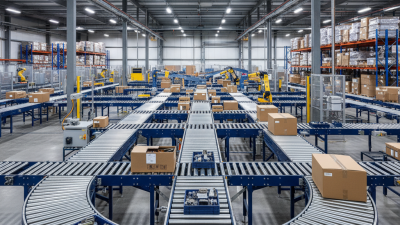
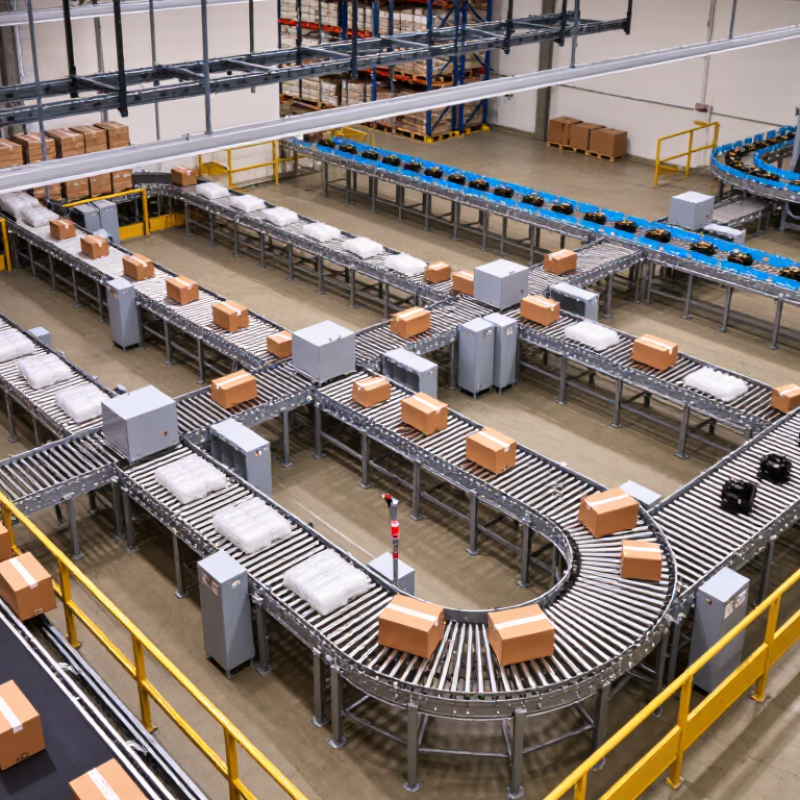
Roller conveyors are practical for cartons, totes, and sealed packages. Gravity rollers suit short transfer zones, while powered rollers maintain steady movement across longer routes. I have seen cartons stall when roller spacing was too wide. Small packages need closer support. A simple test with your smallest box can prevent this mistake. Key checks include load capacity, roller diameter, speed control, guarding, and emergency stops. These details affect safety, accuracy, and daily operating costs.
Pallet conveyors handle heavier loads with better stability. Chain, belt, and heavy-duty roller designs can move loaded pallets through warehouses, production areas, and dispatch zones. Pallet dimensions must match the conveyor width. Uneven loads may shift during acceleration, especially when surfaces are dusty. I once underestimated this issue during a layout review. The conveyor worked, but operators needed extra manual adjustments. That was not an ideal design. Buyers should request real load tests, maintenance access, noise data, and clear installation requirements. Local service capability also matters for global projects.
Tips: Measure the heaviest and smallest loads. Leave space for inspections. Check spare-part availability before ordering. Protect sensors from dust and impact. Ask for documented performance results, not only attractive specifications. A short trial with actual packages often reveals problems that drawings miss.
| No. | Conveyor System | Typical Load Capacity | Typical Speed | Common Conveyor Width | Best Applications | Key Advantages | Important Selection Considerations |
|---|---|---|---|---|---|---|---|
| 1 | Gravity Roller Conveyor | Approximately 50–500 kg per metre, depending on roller diameter, frame design and support spacing. | Manual movement or about 0.1–0.5 m/s on a controlled decline. | 300–1,200 mm | Cartons, totes, bins and pallet transfer in warehouses, loading areas and packing stations. | Low purchase cost, no drive motor, simple maintenance and easy modular expansion. | Loads need a flat, rigid base. Check roller pitch, product dimensions, slope control and operator ergonomics. |
| 2 | Powered Roller Conveyor | Approximately 100–2,000 kg per metre, with higher capacities available for heavy-duty pallet designs. | 0.1–1.0 m/s for standard conveying and accumulation. | 400–1,500 mm | Shipping cartons, containers, pallets, accumulation zones and automated warehouse lines. | Controlled starts and stops, zoning, accumulation and reliable handling of rigid-bottom loads. | Select chain-driven, belt-driven or motorized-roller construction according to load, noise, cleanliness and control requirements. |
| 3 | Belt Conveyor | Approximately 10–100 kg per metre for package handling; heavy-duty models can handle substantially more. | 0.3–2.5 m/s, depending on product type and required throughput. | 300–2,000 mm | Packages with irregular bases, bags, parcels, bulk materials, inclines and declines. | Continuous conveying, good product stability, flexible routing and suitability for inclined transport. | Specify belt material, cleats, side guides, sanitation requirements, incline angle and maintenance access. |
| 4 | Chain-Driven Pallet Conveyor | Approximately 500–2,000 kg per pallet position; engineered systems may support heavier unit loads. | 0.05–0.3 m/s | 800–1,500 mm | Full pallets, crates, drums, containers and heavy unit loads in production or distribution facilities. | High load capacity, positive drive and dependable performance in demanding industrial environments. | Confirm pallet quality, chain spacing, transfer points, floor loading, guarding and required maintenance intervals. |
| 5 | Slat Conveyor | Approximately 50–500 kg per metre, depending on slat material, width and support structure. | 0.1–0.8 m/s | 200–1,200 mm | Bottles, containers, cartons, assembled products and items requiring stable positioning. | Durable conveying surface, accurate product control and compatibility with stops, guides and workstations. | Choose plastic or stainless-steel slats based on temperature, corrosion, cleaning and product-contact requirements. |
| 6 | Flexible Skatewheel Conveyor | Approximately 10–80 kg per metre, depending on wheel spacing and conveyor extension. | Manual movement or up to about 0.5 m/s with assisted operation. | 300–900 mm | Temporary loading docks, parcel transfer, truck unloading and changing warehouse layouts. | Portable, expandable, space-efficient and quick to deploy without permanent installation. | Best for rigid-bottom cartons. Avoid excessive point loads, uneven packages and steep inclines. |
| 7 | Vertical Reciprocating Conveyor | Approximately 500–2,000 kg per platform, depending on lift height and platform dimensions. | 0.1–0.3 m/s for controlled vertical movement. | 600–2,000 mm platform width | Moving pallets, carts, totes and cartons between warehouse or production levels. | Uses building height efficiently and reduces the need for long ramps or separate lifting equipment. | Review lift height, travel frequency, platform size, guarding, access gates, local safety rules and fire protection. |
Note: Capacity, speed and dimensions are typical engineering ranges. Actual performance depends on load geometry, conveyor length, duty cycle, controls, environmental conditions and applicable safety standards.
Chain, slat, and cleated conveyors solve different transport problems. Selecting one depends on load shape, surface condition, incline, sanitation needs, and required throughput. The 2024 MHI Annual Industry Report found that 55% of respondents planned to increase supply chain innovation investment. That pressure makes conveyor selection more strategic than cosmetic.
Chain conveyors handle heavy pallets, bins, and rigid containers with stable movement. Their steel chains tolerate demanding industrial environments, but poor lubrication can increase noise and maintenance. Slat conveyors offer a flatter, continuous surface. They suit bottles, cartons, and packaged foods, especially where controlled spacing matters. Cleated conveyors add raised flights for steep movement. They prevent loose products from sliding backward. Think bags of grain, boxed components, or irregular parcels.
PMMI industry research continues to identify labor availability and automation as major packaging concerns. That supports investment in repeatable conveyor movement, but automation is not automatically efficient. A cleated unit may waste energy when a simple belt handles the incline. Chain systems can also become oversized for lightweight products. I would test the heaviest load, smallest package, transfer gap, and cleaning routine before approval. Do not trust catalog capacity alone. Measure real loading cycles, emergency stops, and operator access. CEMA conveyor standards provide useful design guidance, yet site conditions still decide performance. Five minutes of observation can expose a costly mismatch.
Typical maximum incline angles for chain, slat, cleated, and other conveyor systems used in specialized transport.
Cleated conveyors and bucket elevators are suited to steep elevation changes, while roller and chain conveyors are generally better for horizontal or low-incline movement. Actual performance depends on load type, material, conveyor design, and safety requirements.
For global buyers, space-limited factories need more than a compact conveyor. They need predictable flow, safe access, and serviceable equipment. Screw conveyors move powders, granules, and small bulk materials through narrow corridors. Their enclosed troughs help control dust and reduce product exposure. Horizontal models suit short transfers, while inclined versions save floor space but may reduce capacity. That trade-off deserves a real calculation.
Overhead conveyors use unused ceiling volume. They can carry cartons, components, or suspended loads above workstations and aisles. This layout keeps forklifts and operators moving below. In my experience, the best results come from mapping maintenance paths before selecting equipment. Leave room for bearing replacement, cleaning, inspection, and emergency access. A crowded ceiling is still crowded. Load weight, speed, temperature, moisture, and duty cycle should guide the frame, drive, and hanger design. Buyers should request drawings, test data, and clear spare-parts lists.
Seven conveyor systems may fit different industries, but screw and overhead designs often solve difficult footprint problems. Do not size them from capacity alone. Product behavior matters. Sticky material can bridge inside a screw trough, while uneven loads can stress an overhead track. I have seen layouts that looked efficient on paper become difficult to clean. That mistake is expensive. Local electrical requirements, guarding rules, and installation skills also vary between countries. A qualified integrator should verify these details before production, not after delivery.