2026 Best Debris Bags for Global Construction Projects
Construction projects are growing more resource-intensive, and waste remains a costly blind spot. The U.S. Environmental Protection Agency estimated 600 million tons of construction and demolition debris in 2018. That volume was more than twice the amount of municipal solid waste generated that year. The 2024 Global Status Report for Buildings and Construction also reported that buildings consumed 32% of global energy and produced 34% of global carbon emissions. These figures make practical waste handling impossible to ignore.
The 2026 Best Debris Bags for Global Construction Projects guide examines bags under real site conditions. A reliable Debris Bag must survive broken tile, wet plaster, timber splinters, and sudden loading. Stitching, fabric weight, UV resistance, lifting loops, closure design, and certified capacity all matter. Regional climate matters too. A bag that performs in a dry warehouse may fail beside a rain-soaked excavation.
Carl Elefante, a recognized building-sustainability expert, said, “The greenest building is the one already standing.” His point extends to waste management. Better planning can reduce unnecessary disposal, but no bag solves poor segregation. That is the uncomfortable part. Product claims are not always comparable. Some specifications remain incomplete, especially across international markets. This guide therefore weighs published testing, field experience, handling safety, and end-of-life considerations. It also questions attractive features that add cost without improving performance. No single bag wins everywhere. The best choice depends on debris type, loading method, transport distance, weather exposure, and local recovery systems. During selection, buyers should verify supplier documentation and avoid relying on photographs alone. A strong Debris Bag is simple, durable, and predictable when the site becomes chaotic.
What Are Debris Bags and Why Do Construction Projects Need Them?
2026 Best Debris Bags for Global Construction Projects
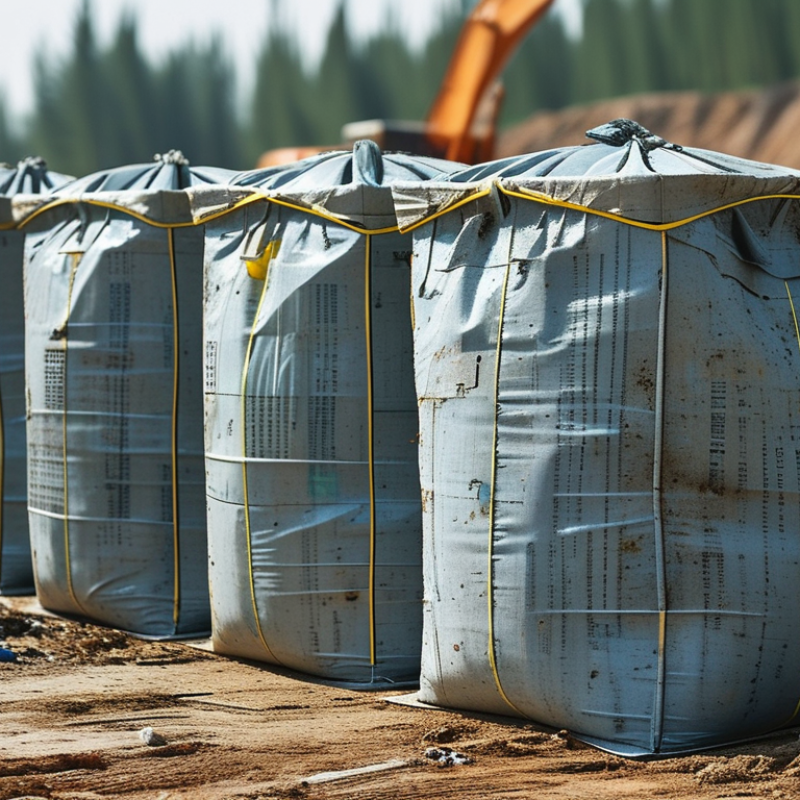
Debris bags are heavy-duty containers for concrete fragments, timber, drywall, soil, and mixed site waste. They help crews collect material near the work area, reduce loose hazards, and move waste with fewer handling steps.
The need is substantial. The European Commission reports that construction and demolition waste represents more than one-third of waste generated in the European Union. In the United States, the Environmental Protection Agency estimated 600.3 million tons of construction and demolition debris in 2018. These figures show why simple containment still matters on large projects.
A suitable bag needs more than impressive capacity. Project teams should check puncture resistance, UV stability, seam strength, safe working load, and lifting-loop design. Woven polypropylene bags often suit heavy rubble, while flexible sacks may fit lighter interior waste. Local climate changes the decision. Strong sunlight can weaken some materials, and wet debris can increase weight quickly.
ISO 21898 provides useful guidance for flexible intermediate bulk containers, although not every debris bag follows it. That limitation deserves attention. A large bag is not automatically a safe bag.
Tips: Match the bag to the waste stream and lifting method. Never exceed its rated load. Keep sharp steel away from weak seams. Inspect each bag before lifting. The U.S. EPA and European Commission data are useful benchmarks, but site conditions remain decisive. Field teams should record failed bags, moisture problems, and handling delays. Those imperfect records often reveal better purchasing decisions.
Key Types of Debris Bags for Different Construction Materials
Construction debris bags must match the material, not just the project size. Concrete chunks and masonry need heavy-duty woven polypropylene bags with reinforced seams. Their tough structure handles sharp edges and high weight. They should also include secure lifting loops for cranes or forklifts. Ordinary plastic bags may split under a single broken block.
Wood offcuts, drywall, and insulation require different solutions. Thick polyethylene bags resist moisture and suit lighter, bulky waste. Paper-based bags can work for dry plaster dust, but they fail quickly in rain. Breathable bags may help with damp organic materials, although they are not suitable for liquid waste. Mixed debris needs careful separation. Glass, metal, and sharp fragments can damage almost any bag.
Tips: Check the rated load before filling. Keep heavy debris below the marked limit. Do not drag bags across rough concrete. Store unused bags under cover, especially in humid regions. Label each bag by material when local recycling rules require separation. Field experience shows that overfilling causes more failures than weak fabric. Still, no bag is perfect. Unexpected moisture, hidden nails, or uneven lifting can create problems. Inspect seams and handles before every movement, and replace damaged bags immediately. Reliable suppliers should provide material details, load ratings, handling guidance, and documentation suitable for the project location.
2026 Best Debris Bags for Global Construction Projects
Key Types of Debris Bags for Different Construction Materials
The chart shows practical maximum fill weights commonly used for manual handling when selecting debris bags. Heavy materials such as concrete, brick and metal require reinforced woven or rubble bags, while lightweight materials such as insulation and drywall can use larger flexible builder bags. Actual limits depend on bag construction, site rules, lifting equipment and local regulations.
How to Choose the Right Debris Bag for Global Job Sites
Choosing the right debris bag begins with the job-site conditions, not the advertised capacity. Coastal demolition requires stronger moisture and UV resistance. Indoor renovation may need better dust control. The European Commission reports that construction and demolition waste exceeds one-third of the European Union’s total waste stream. The World Bank’s What a Waste 2.0 estimated 2.01 billion tonnes of municipal solid waste globally in 2016. Not all is construction waste.
Match the bag to the debris profile. Sharp concrete needs reinforced seams and tear-resistant woven material. Fine gypsum dust benefits from an inner liner and secure closure. Wet materials require moisture-resistant construction and a safe working load above the expected weight. Check lifting loops, stitching, dimensions, and compatibility with site equipment. Where applicable, request testing aligned with ISO 21898. In cold regions, confirm flexibility. In intense sunlight, verify UV performance.
The practical mistake is treating volume as the main buying metric. A large bag can still fail when overloaded or dragged across rough ground. Procurement teams should request test records, batch traceability, and clear handling instructions. Pictorial labels help multilingual crews, but they cannot replace training. A certificate is useful, not perfect. Inspect sample bags before shipment and repeat checks after arrival. Small differences in seam quality may become serious during lifting.
Important Features: Capacity, Strength, Safety, and Reusability
2026 Best Debris Bags for Global Construction Projects
Capacity, strength, safety, and reusability determine whether a debris bag supports or slows a construction site. Select capacity according to the material, not appearance. A large bag may hold more, but overfilling increases strain during lifting. Rubble, timber fragments, and damp waste also create uneven pressure. A practical site check is useful: fill a sample bag gradually and observe its shape, seams, and handles.
Strength depends on woven fabric quality, reinforced stitching, and reliable lifting loops. Sharp concrete pieces can cut weak material quickly. Choose bags with clear load ratings and inspect them before every use. Handles should remain attached when the bag is lifted mechanically. Safety matters beyond durability. Keep dust-producing waste controlled, avoid unstable stacking, and never place workers beneath suspended loads. These habits seem basic. They are often missed during busy shifts.
Tips: Match bag size with lifting equipment and access routes. Leave space for safe closure. Use visible labels for waste types. Store unused bags away from moisture and direct sunlight. Reusable bags can reduce replacement costs, but only when inspection is consistent. Check seams, loops, abrasion, and contamination after each project. A bag may look reusable while hidden fibers are already weakened. I have found that simple inspection records improve decisions, although rushed crews may record them imperfectly. That weakness deserves review, especially on large international projects where weather, handling methods, and site training differ.
Best Practices for Using, Storing, and Disposing of Debris Bags
Debris bags support cleaner, safer construction sites when crews choose them for the actual waste. Heavy rubble needs puncture-resistant bags with reinforced lifting points. Lightweight bags suit packaging, insulation scraps, and dry offcuts. Never mix sharp metal with thin plastic. It can tear the base within minutes. Fill bags only to a manageable weight, leaving space for secure closure. A bag that is too heavy may injure workers or split during lifting.
Store unused bags in a dry, covered area away from sunlight, sparks, and standing water. Keep them off rough floors and separate different sizes. Before use, inspect seams, handles, and the bottom panel. This small check is easy to skip. It should not be skipped. Place filled bags on stable ground, away from walkways, drains, and vehicle routes. Use mechanical lifting equipment when weight or distance makes manual handling unsafe.
Tips: Label bags by waste type. Keep sharp debris pointed inward. Close each bag before transport. Follow the project’s waste-handling plan and local disposal requirements. Reusable bags should be emptied, checked, and cleaned when appropriate. Damaged bags belong in the correct waste stream, not back in service. This process is not perfect, especially during rushed work, so supervisors should review loading and storage conditions throughout the shift.