2026 Best Aluminum Profile Buying Guide for Global Traders?
In the ever-evolving landscape of global trade, selecting the right Aluminum Profile can make a significant difference. These profiles are essential in various applications, from construction to manufacturing. Understanding specific requirements is key to making an informed decision.
Aluminum Profiles come in numerous shapes and sizes. They offer versatility and durability that many traders find appealing. Identifying the correct dimensions and alloy types is crucial. Without proper knowledge, one might choose an inadequate profile, leading to costly errors.
Market research is vital for success. Traders often struggle with finding reliable suppliers. Resources should be dedicated to understanding the nuances of Aluminum Profiles. Relying solely on price could result in regrettable choices. A balanced approach that combines quality and cost is essential. Consider the long-term benefits rather than immediate savings. With thorough research and careful consideration, traders can ensure that the Aluminum Profiles they select meet their needs effectively.
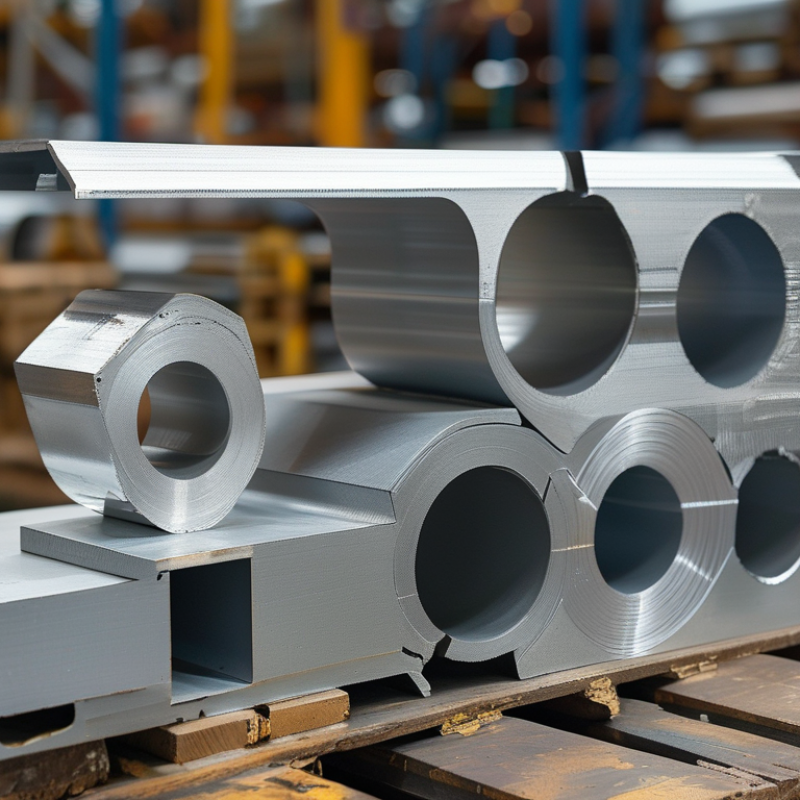
Key Factors to Consider When Buying Aluminum Profiles
When buying aluminum profiles, several key factors can influence your decision. Understanding these factors is crucial for global traders. First, quality and durability should be your top priorities. Look for profiles that have passed rigorous testing. This ensures they will withstand various environmental conditions.
Another important aspect is the extrusion process. Different processes affect the strength and weight of aluminum profiles. It's wise to choose providers who specialize in high-quality extrusions. Check their manufacturing protocols; this will assure you of the quality you’re getting.
Tips: Always request samples before making large purchases. This gives you the chance to examine the product firsthand. Also, consider a supplier’s experience in the industry. Experienced suppliers often provide better support and guidance.
Do not overlook the importance of customizations. Many projects require specific profile dimensions or shapes. Discuss your needs openly with your supplier. This can help avoid potential issues down the line. Remember, not all suppliers can meet unique specifications reliably. Balancing quality with customization often requires careful thought.
Types of Aluminum Profiles and Their Applications in Global Trade
The global market for aluminum profiles has been experiencing significant growth. According to a recent report, the aluminum profile market is projected to reach $65 billion by 2026. This growth is driven by diverse applications spanning various industries, including construction and automotive sectors.
Aluminum profiles come in different types, each catering to unique needs. For instance, architectural profiles are essential for façades and window frames. In contrast, structural profiles are favored in construction for their lightweight and strong characteristics. A study indicated that 40% of all aluminum profiles produced are utilized in standard building applications. This highlights their importance in global trade.
Despite their benefits, the aluminum profile industry faces challenges. Variations in quality can lead to issues during manufacturing. Furthermore, fluctuating raw material prices may impact trade. These factors make it crucial for global traders to carefully evaluate suppliers. Understanding the applications of aluminum profiles can help mitigate risks and ensure the selection of suitable materials.
Understanding Aluminum Specifications and Standards for Buyers
When purchasing aluminum profiles, understanding specifications and standards is crucial. Aluminum's properties differ based on its grade. Commonly, profiles are categorized by alloys and tempering. Each alloy has unique characteristics, affecting strength, formability, and corrosion resistance. Buyers should familiarize themselves with these elements to make informed decisions.
Manufacturers often follow specific standards such as ASTM or ISO. These standards provide guidelines on material properties and testing methods. This is essential because not all aluminum profiles are created equal. Buyers might encounter profiles that don’t meet their needs. Checking compliance with applicable standards can save time and resources.
It’s important to consider local versus international standards. Local standards may differ in requirements. Familiarity with these variations helps avoid costly mistakes. Besides, buyers should reflect on their material needs carefully. Choosing the wrong profile can hinder product performance. Knowledge of aluminum specifications empowers buyers to select the best options for their projects.
Aluminum Profile Market Trends (2023)
This chart displays the projected global demand for various types of aluminum profiles in metric tons for the year 2023. The data highlights the growing sectors that use aluminum profiles, showcasing the trends and shifts in the market.
Cost Analysis: Budgeting for Quality Aluminum Profiles
When budgeting for aluminum profiles in 2026, understanding cost dynamics is crucial. According to recent industry reports, the price of aluminum fluctuated significantly in 2023, with average costs rising by about 15%. This trend is likely to continue, driven by increasing demand and supply chain challenges. Traders must factor in these considerations when setting their budgets.
Quality aluminum profiles often demand a higher upfront investment. However, opting for lower-cost alternatives can lead to issues. Poor-quality materials may result in structural failures or increased maintenance costs. A recent study highlighted that choosing high-quality aluminum can save up to 20% on long-term operational costs. Allocating funds wisely here is essential.
Moreover, be aware of sourcing options. Different suppliers offer diverse pricing structures, influenced by factors like location and material grade. It's important to compare multiple quotes and assess the quality offered. Occasionally, a slightly higher price can signal better reliability. Emphasizing quality over the lowest price will provide better returns in the long run. In an ever-evolving market, revisiting your budget strategy will ensure optimal spending.
Tips for Building Strong Relationships with Aluminum Suppliers
Building strong relationships with aluminum suppliers is crucial for global traders. Trust and communication are key components. Traders should not only focus on price but also on the reliability of their suppliers. Establishing clear expectations can help avoid misunderstandings. Share your goals openly, allowing suppliers to understand your needs.
Regular check-ins can strengthen the relationship. Use these opportunities to discuss progress and address concerns. It’s essential to be transparent about challenges. Suppliers appreciate honesty, which fosters a collaborative environment. Moreover, your suppliers can offer valuable insights based on their expertise. They might help refine your sourcing strategy.
Consider participating in industry events. Meeting suppliers face-to-face builds rapport. These interactions can lead to better-negotiated terms. However, not all relationships will flourish. Some may require patience and adjustments. Reflecting on these experiences can guide future decisions. A genuine partnership takes time and effort, but the rewards are worth it.